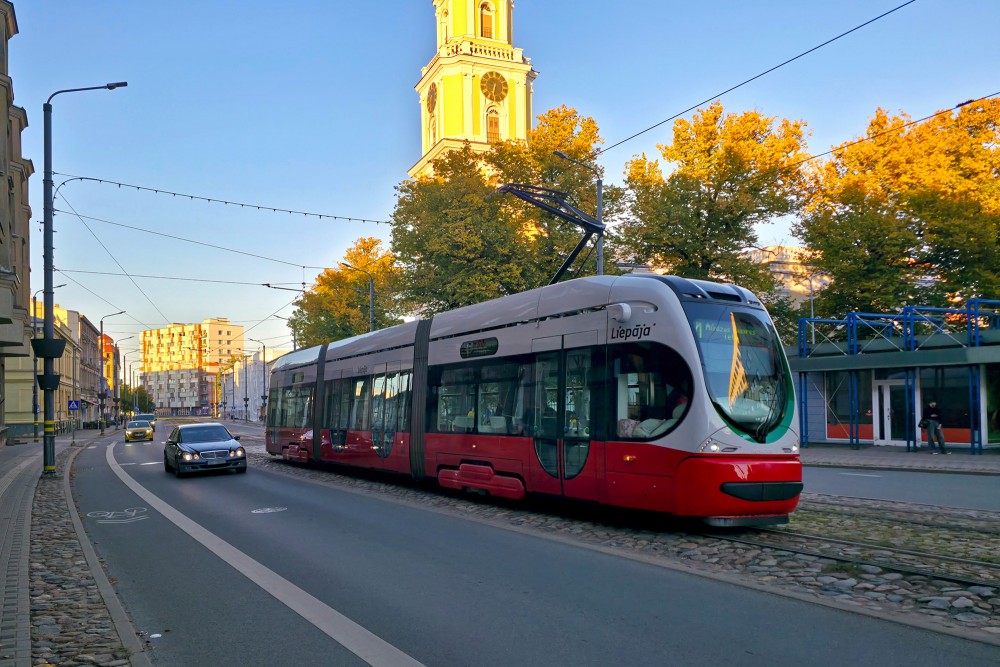
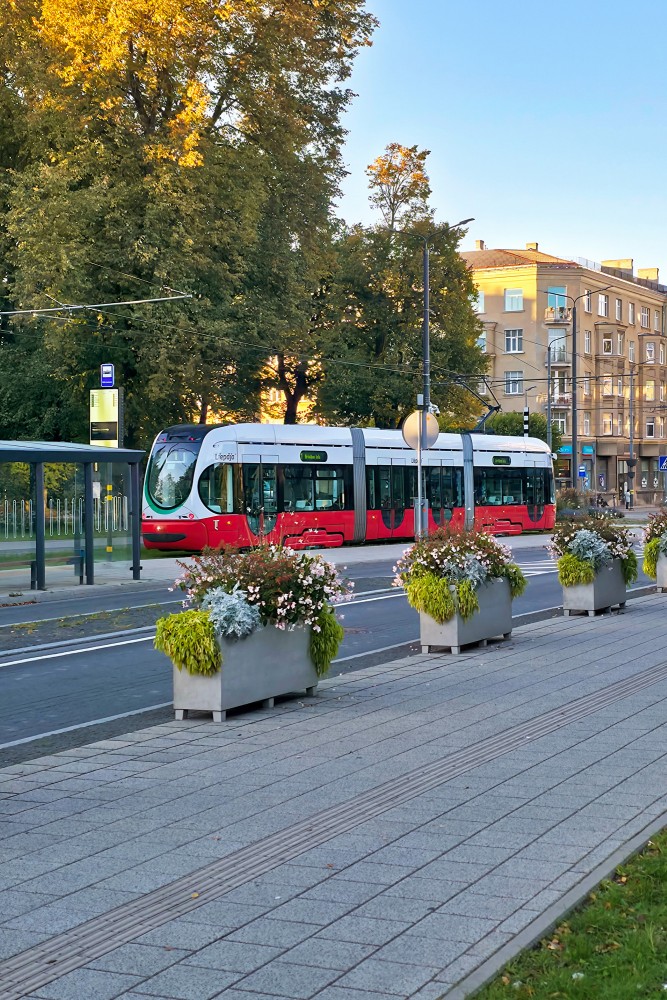
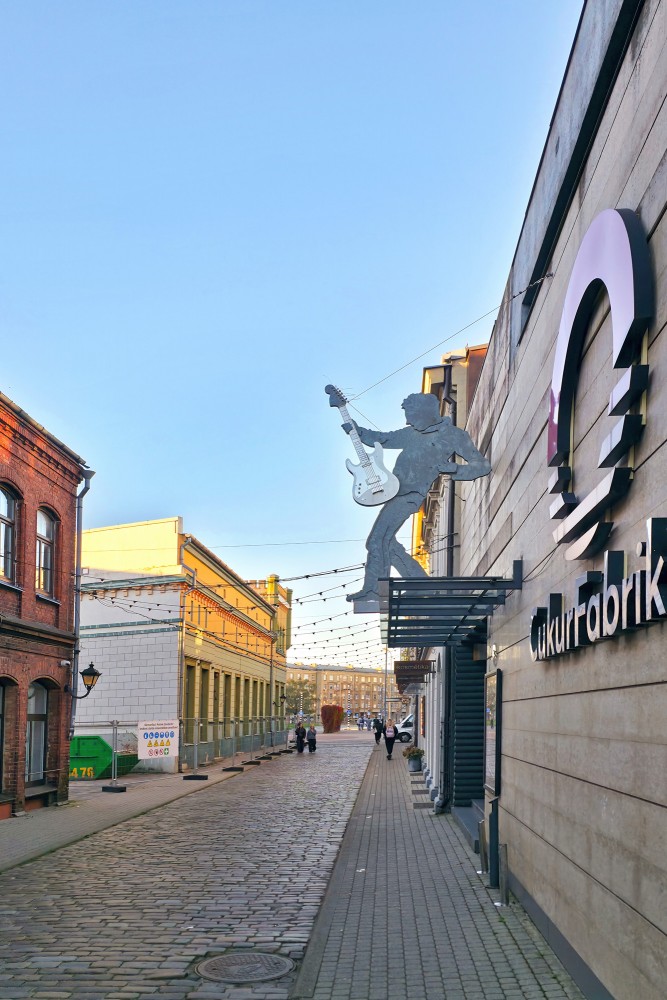
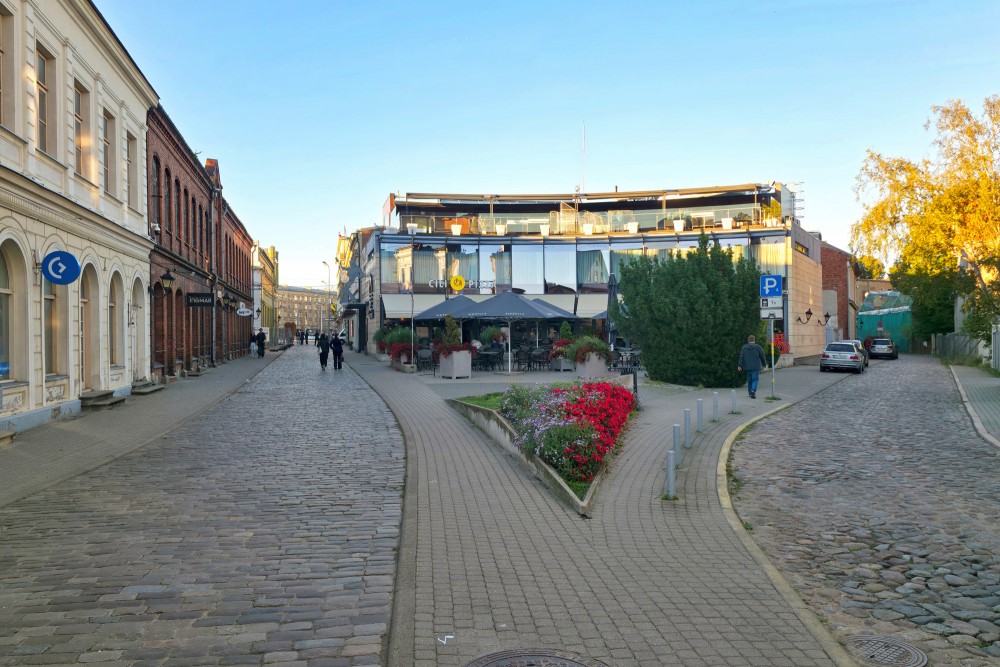
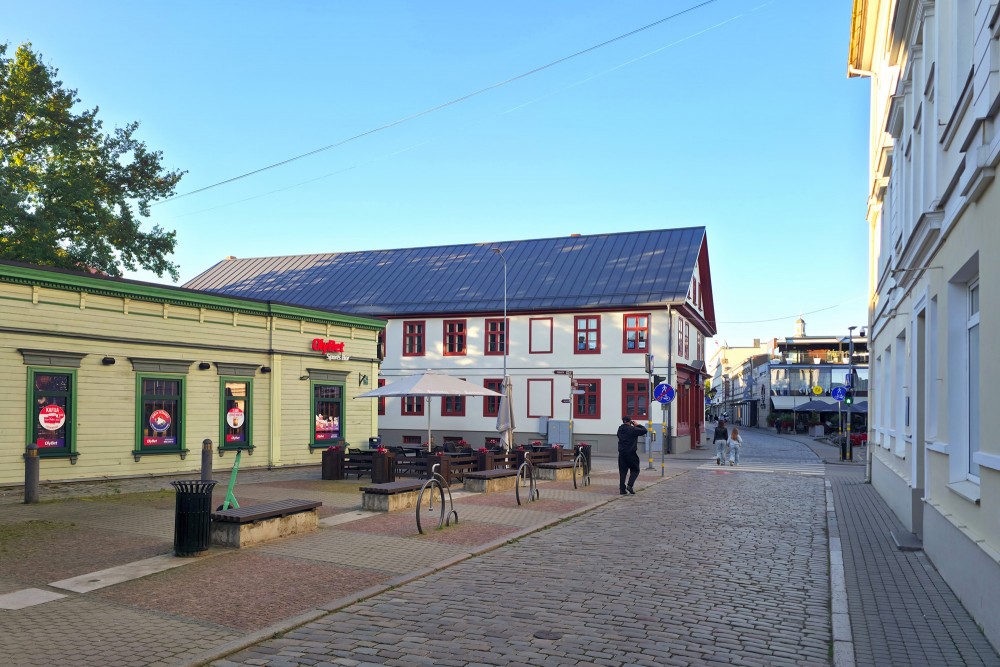
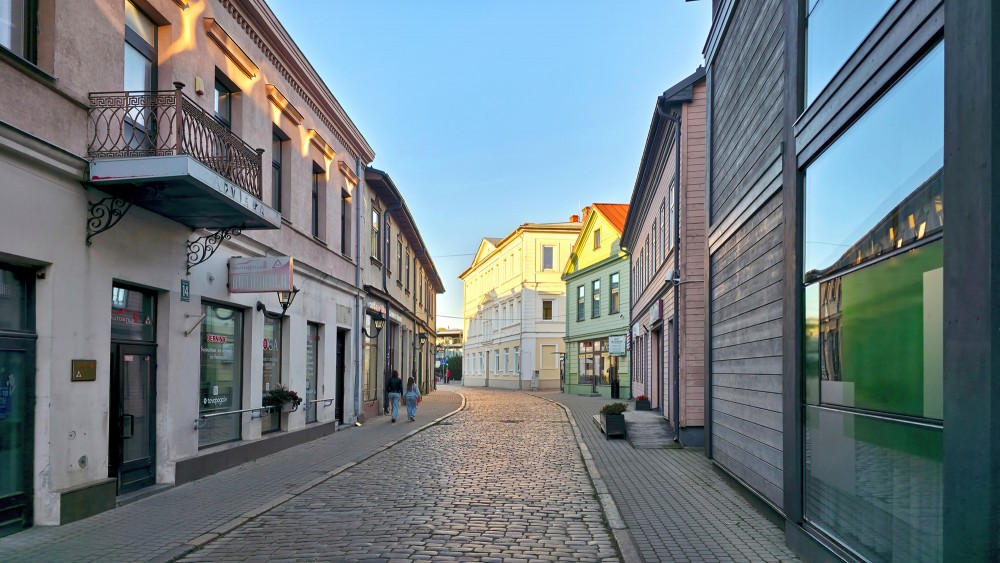
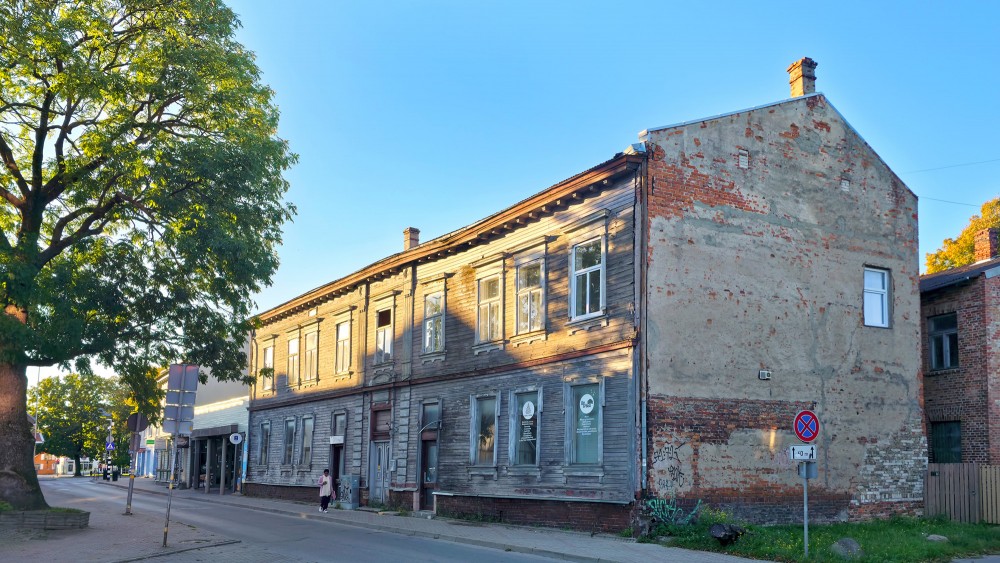
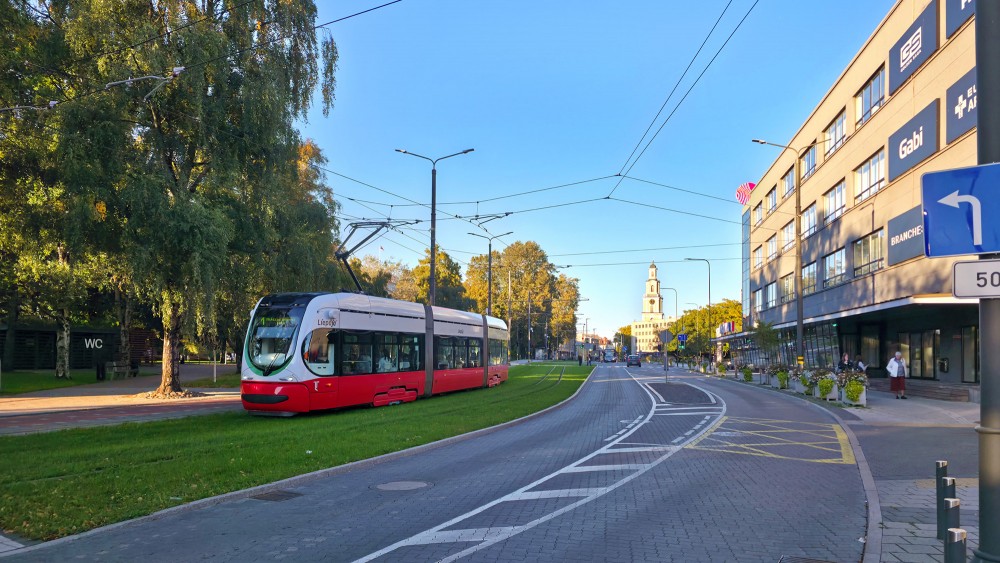
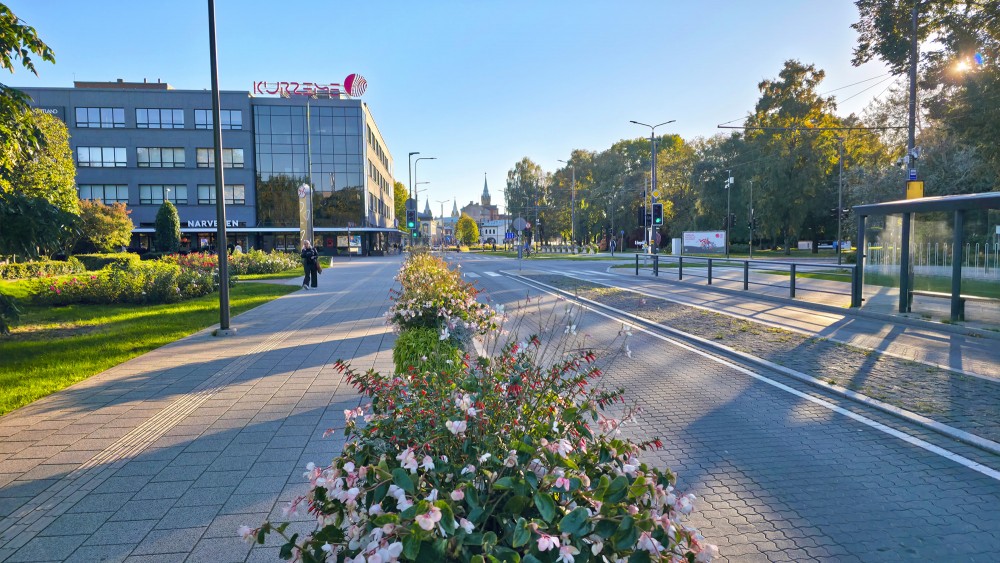
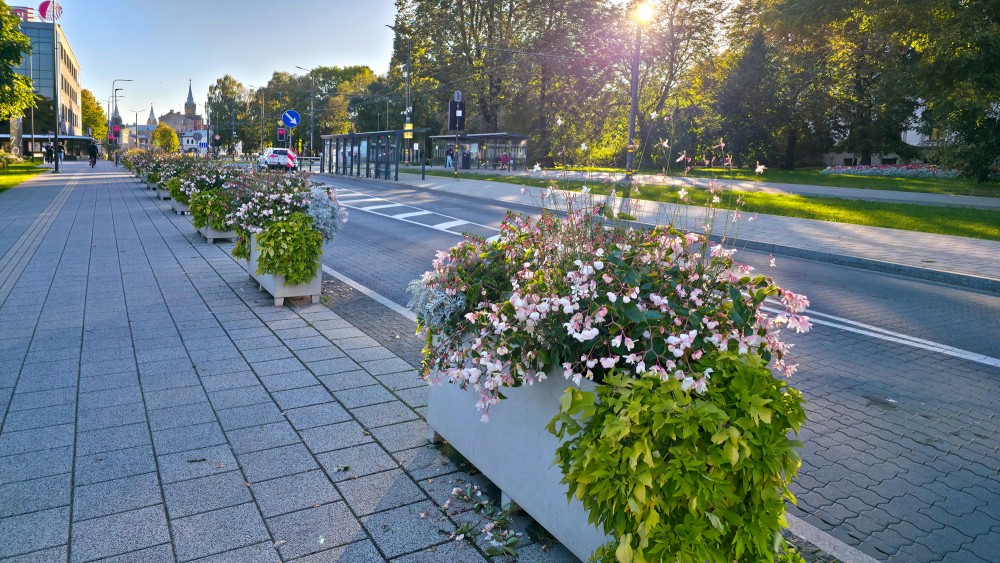
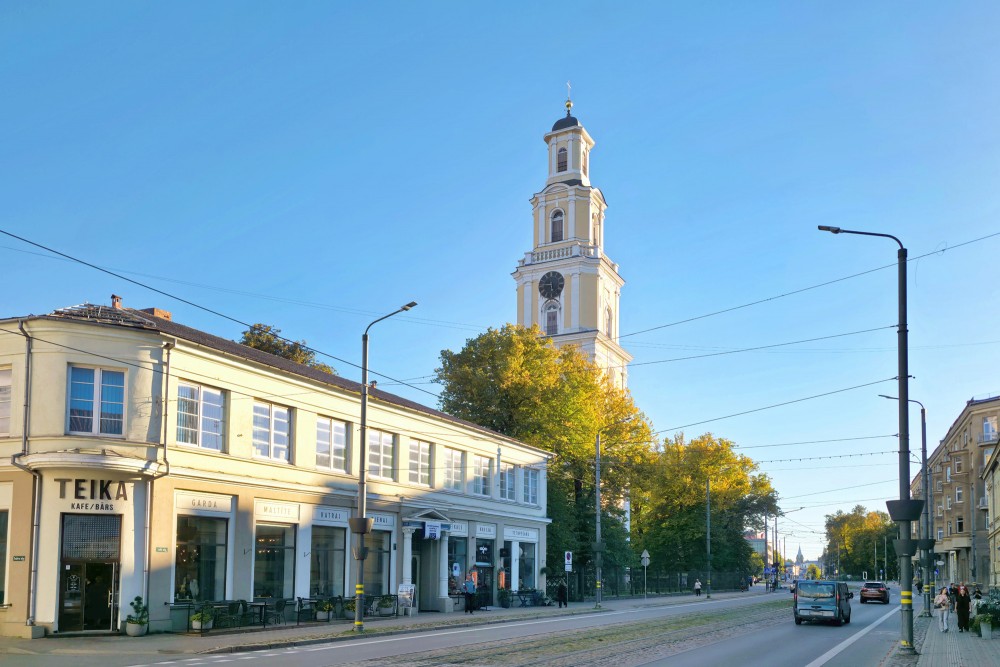
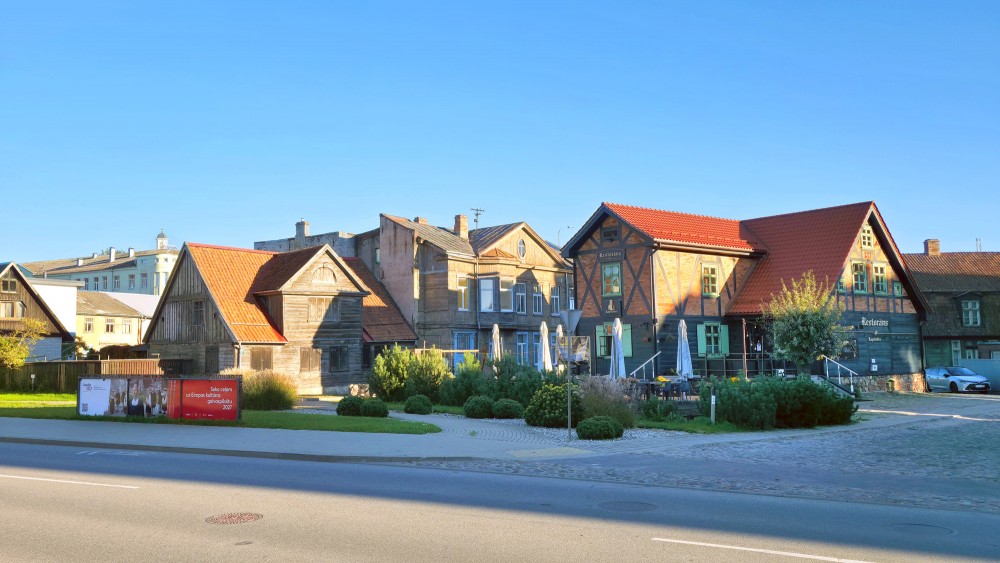
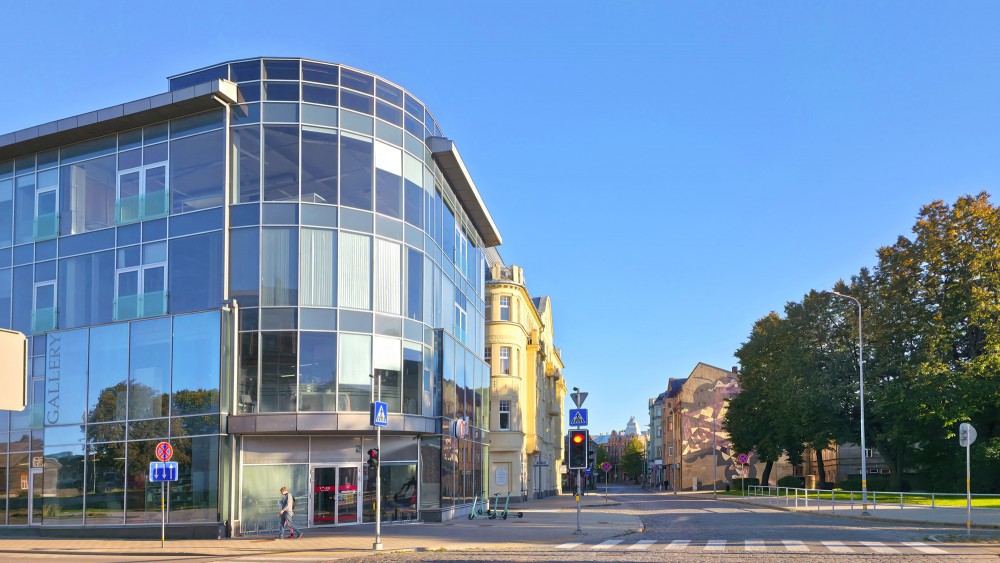
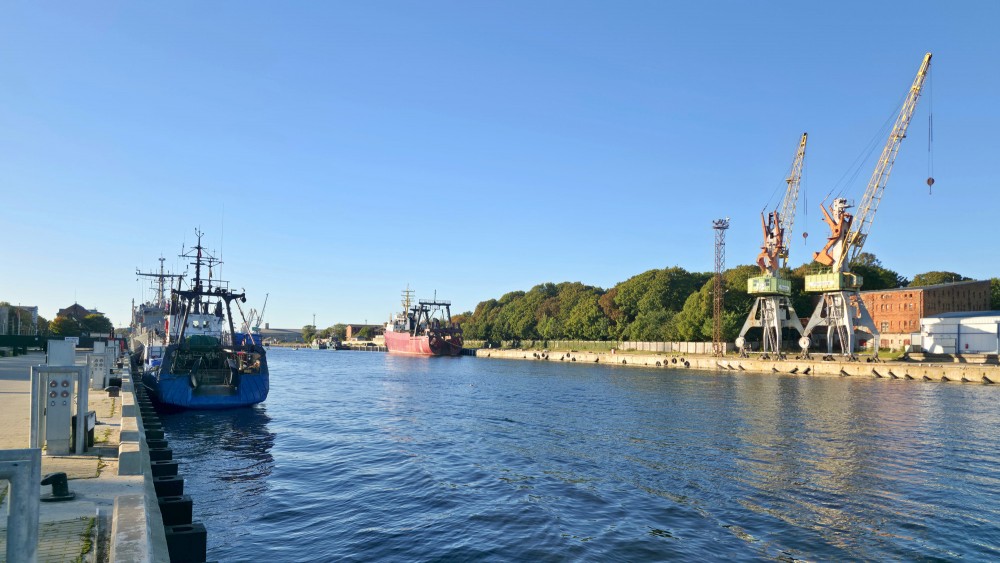


















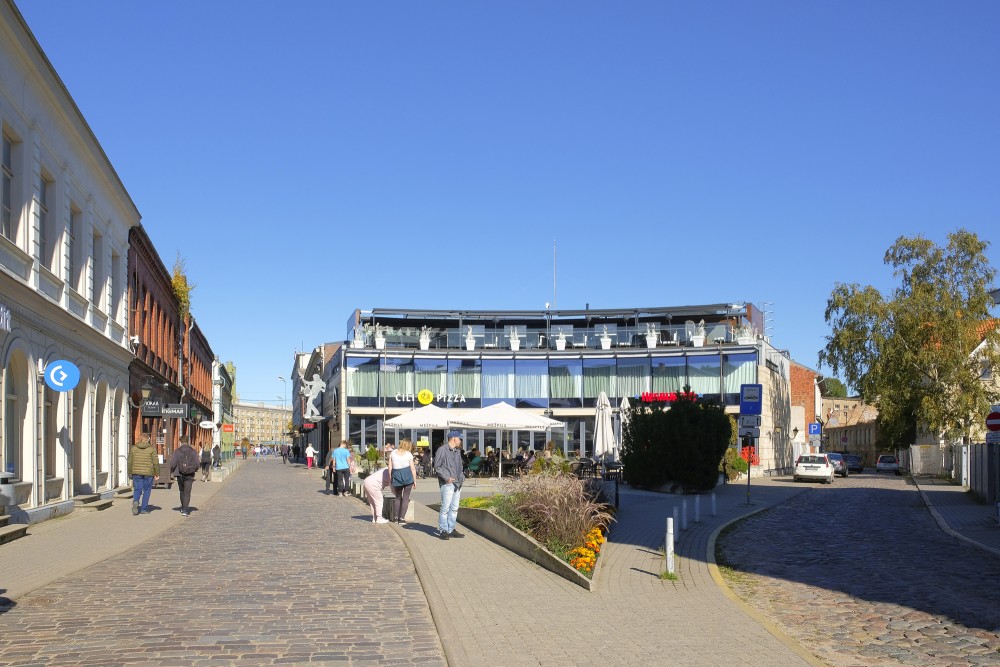


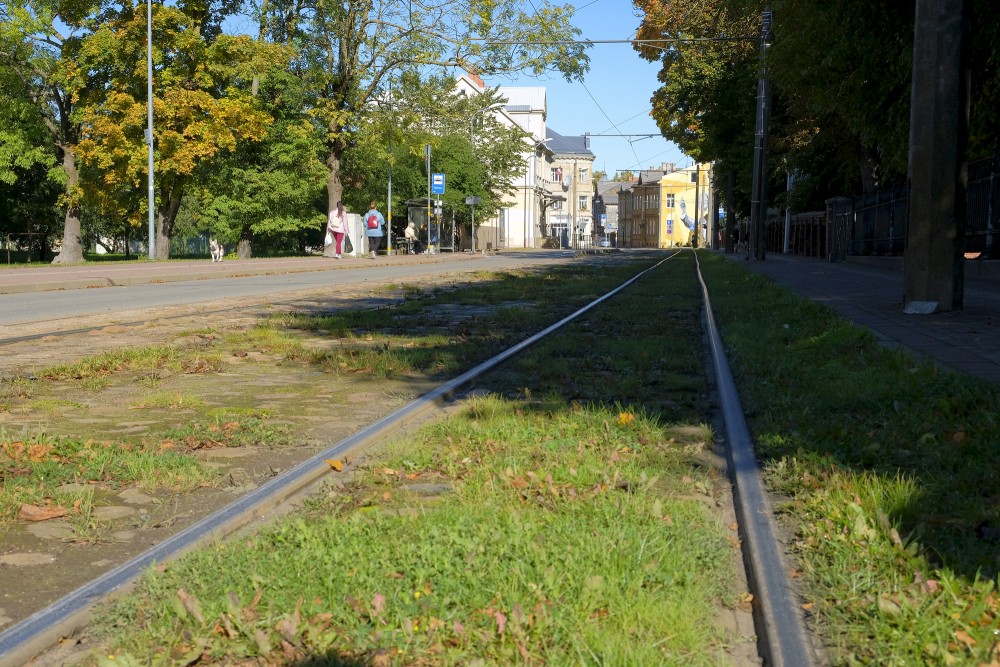








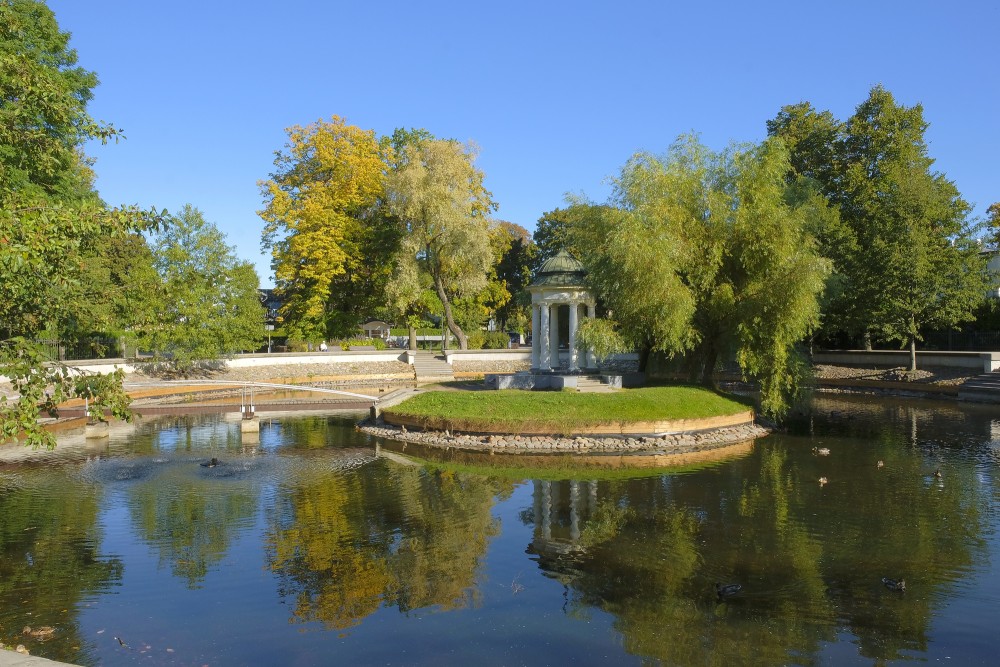
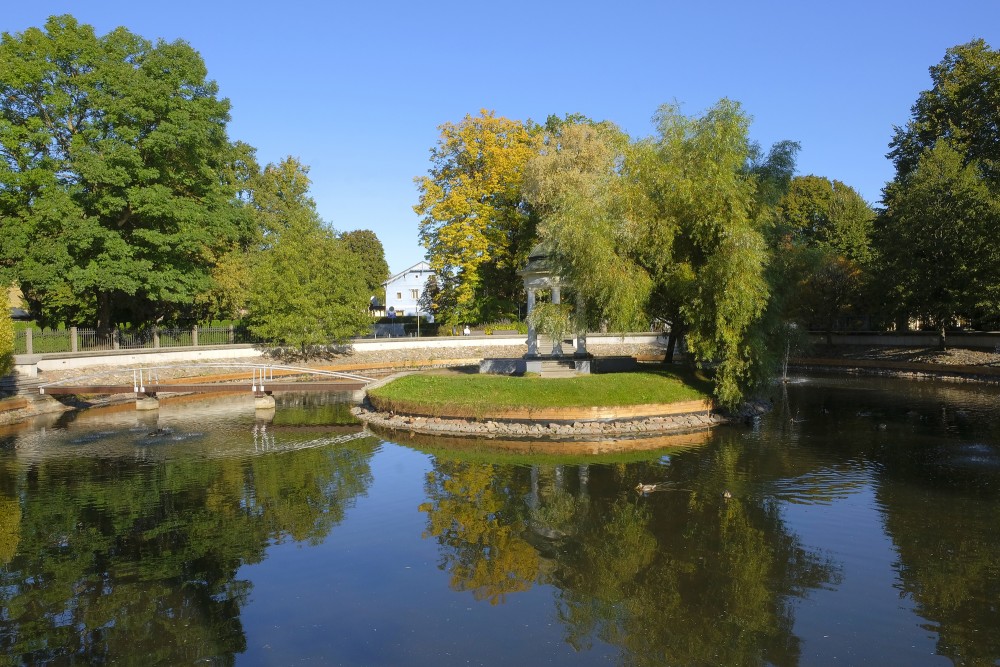
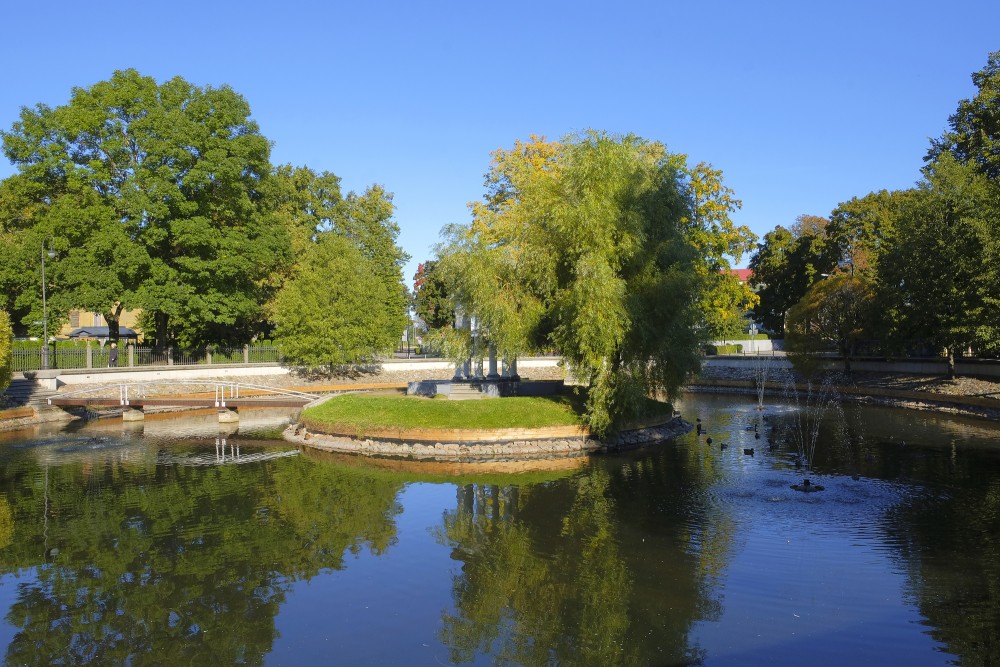
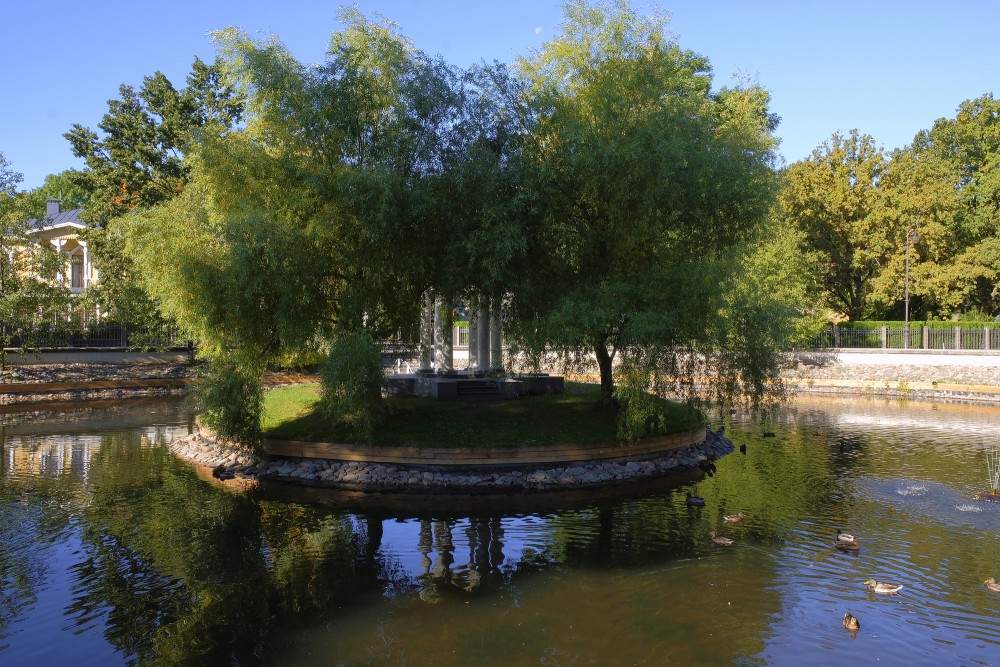





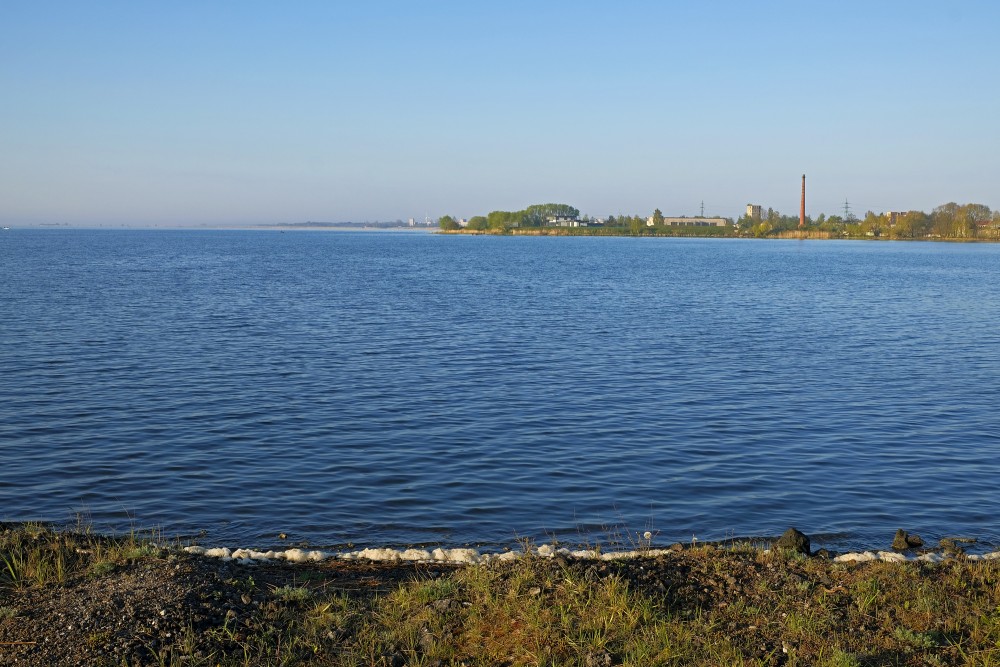



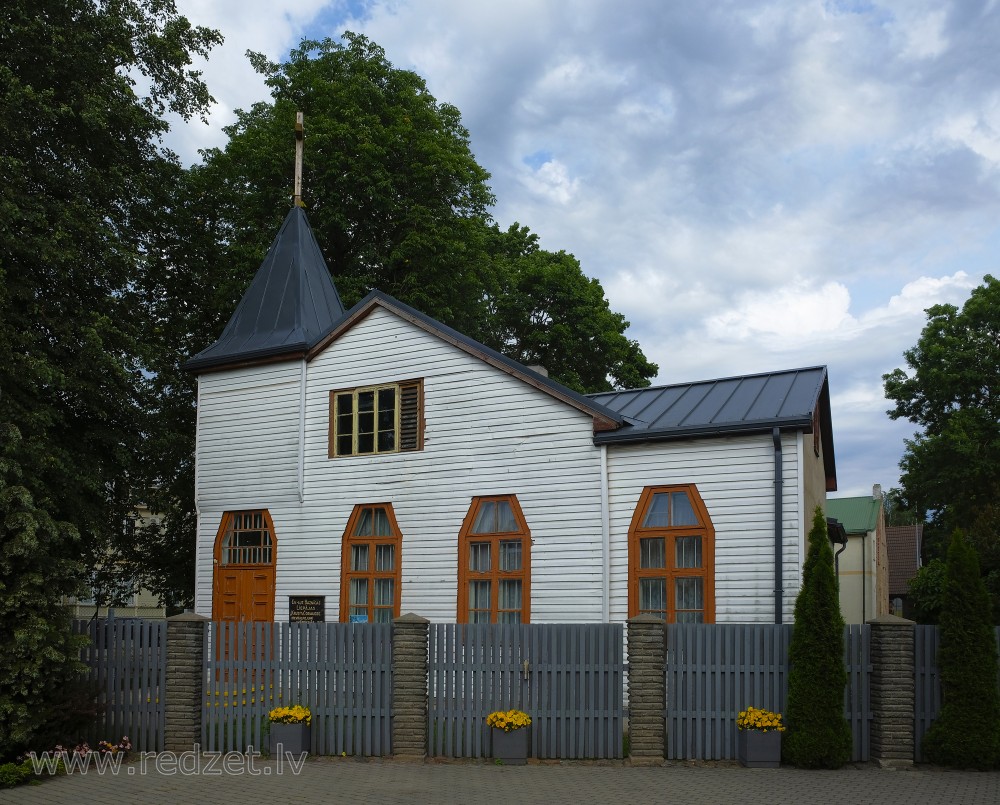
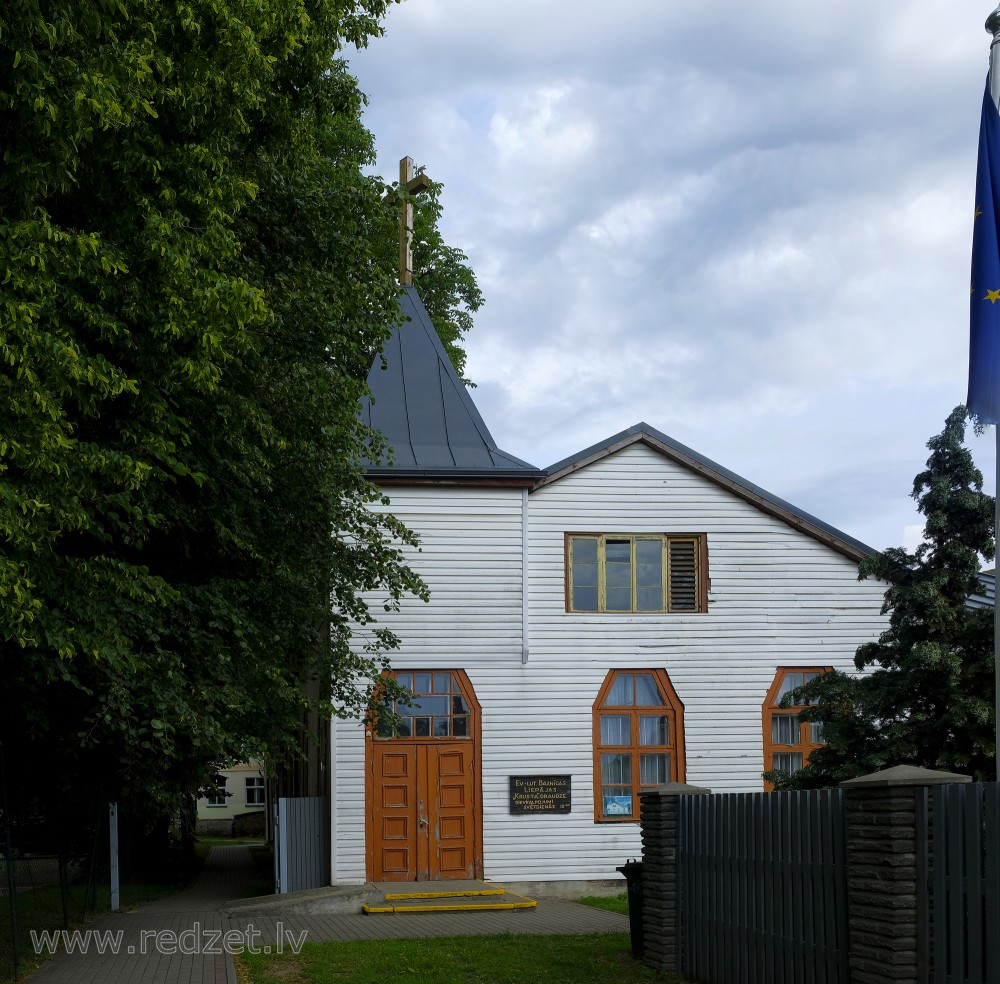
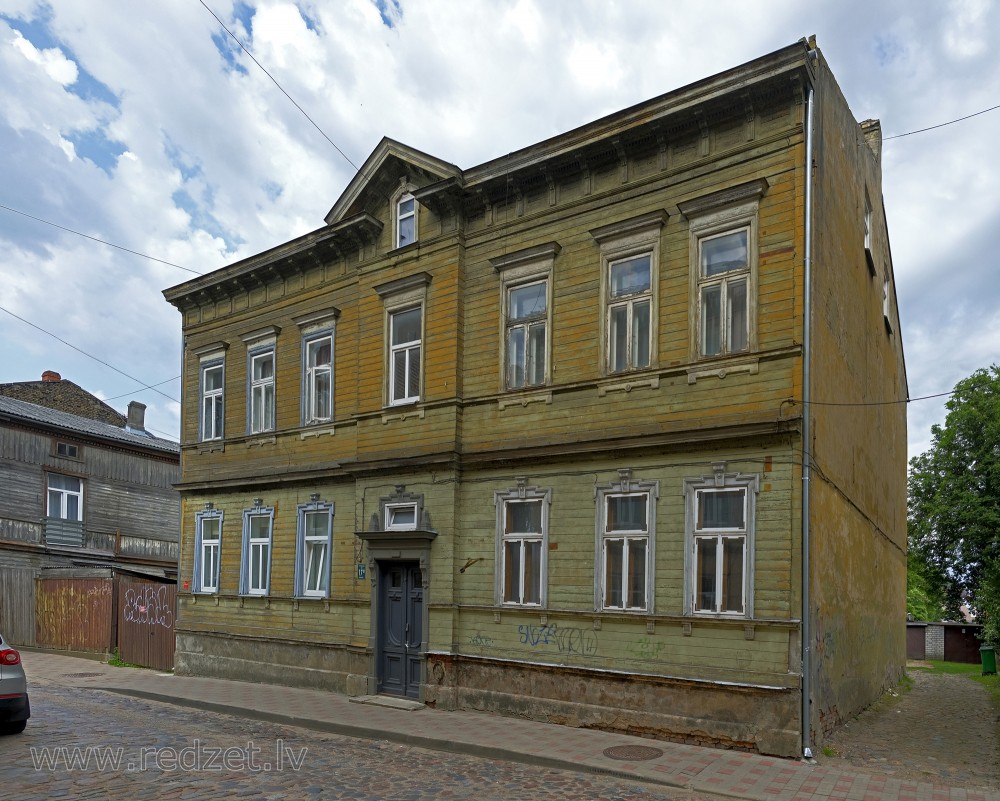
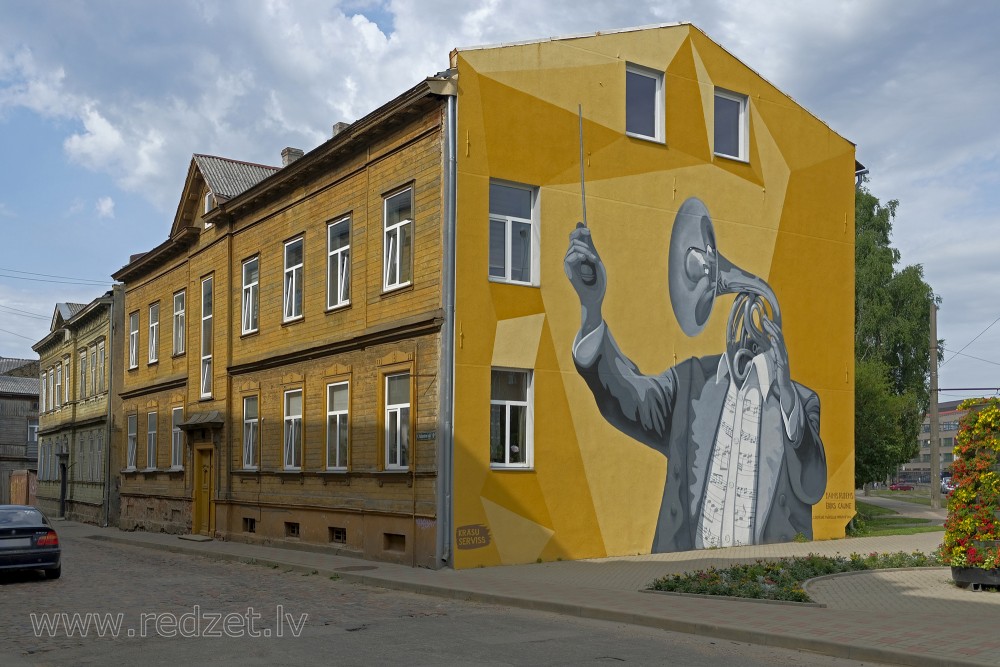















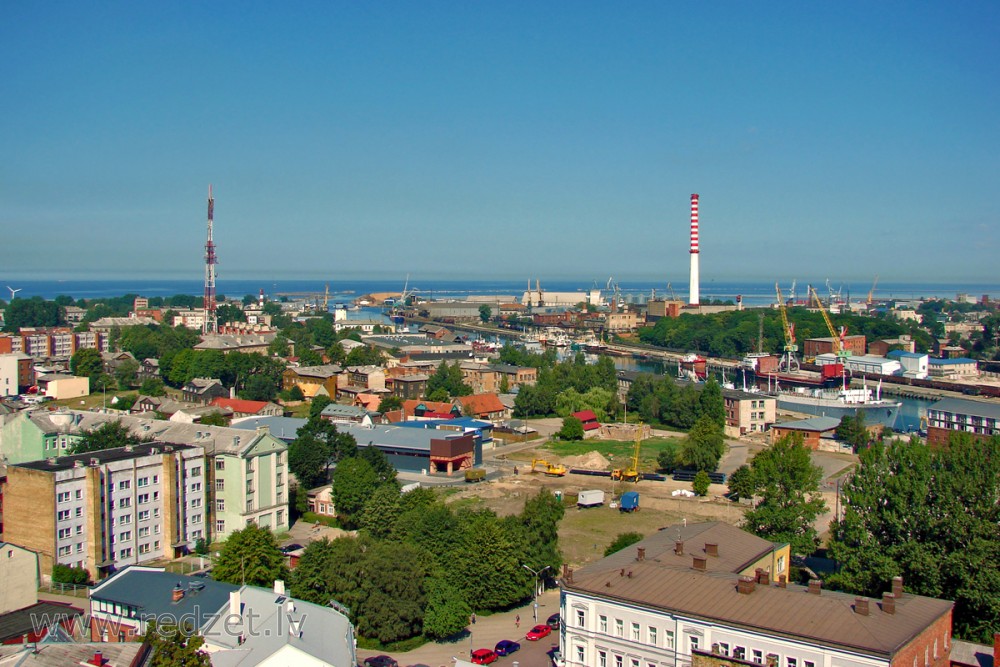


Liepāja is the third-largest city in Latvia and the largest in Kurzeme. It lies in western Latvia, on a narrow strip of land between the Baltic Sea and Lake Liepāja. The population was 67,398 at the end of 2024. Liepāja is known as the “city where the wind is born”, and Imants Kalniņš’s song of that name serves as its anthem. The sea off Liepāja rarely freezes in winter. In 2027, Liepāja is a European Capital of Culture.
History
The settlement of Līva was first mentioned in 1253. Duke Friedrich Kettler of Courland granted Liepāja town rights on 18 March 1625, and this day is celebrated as the city’s birthday. In the second half of the 19th century, a rebuilt port and a new railway brought rapid growth, and by 1914 the population was about 100,000. From 1890, on the order of Tsar Alexander III, the Karosta (War Port) naval base was built. In 1919, Kārlis Ulmanis’s Provisional Government took refuge in Liepāja, aboard the steamer Saratov. The city was badly damaged in the Second World War, and in 1941 the Nazis and their collaborators murdered most of Liepāja’s Jewish community. In Soviet times, Liepāja was a closed city with a large naval base. The last Russian troops left in 1994.
Architecture
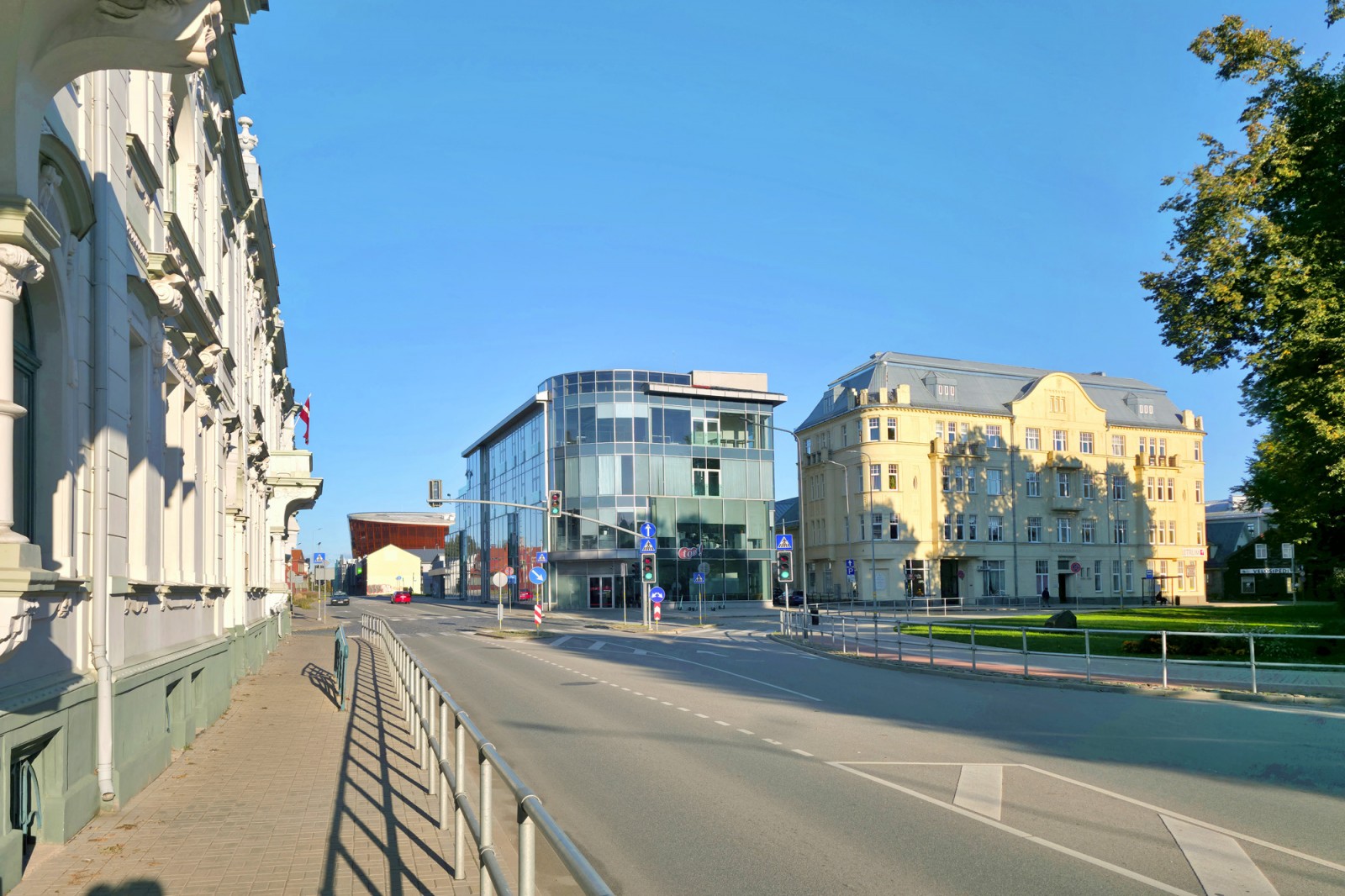
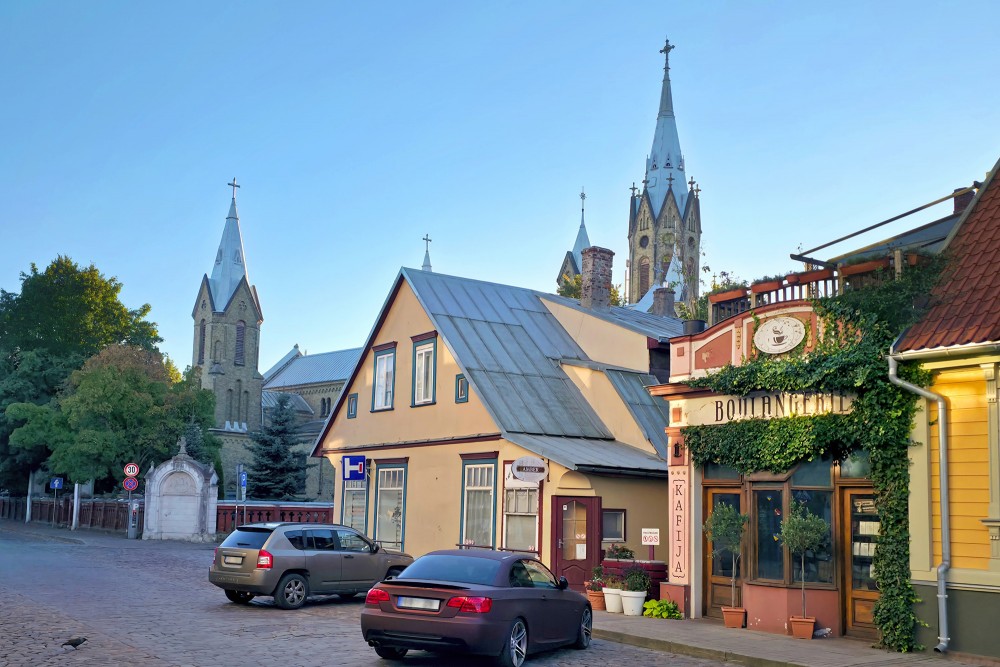
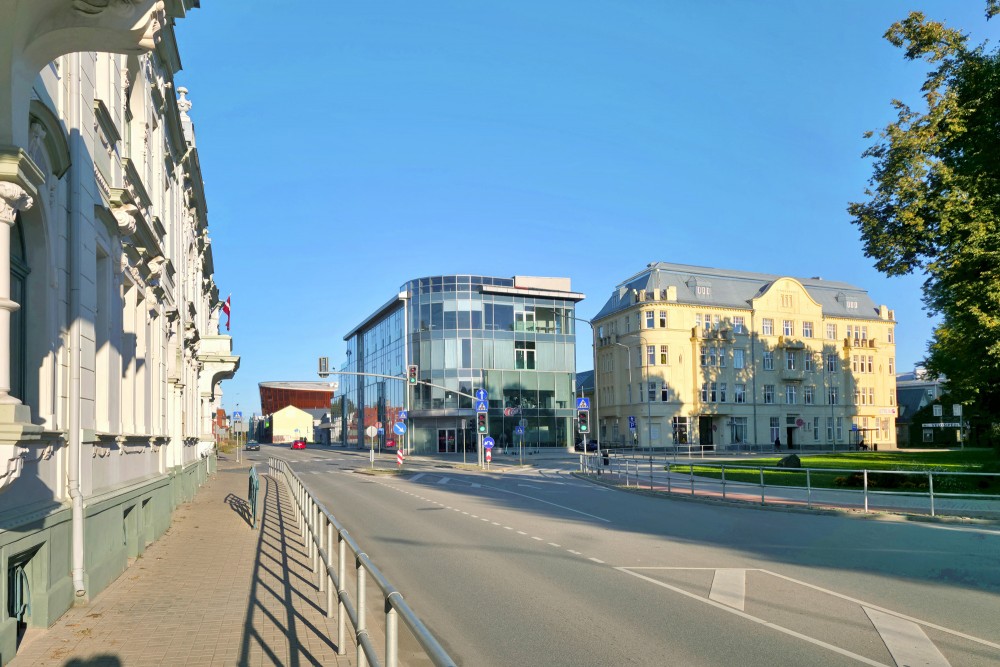
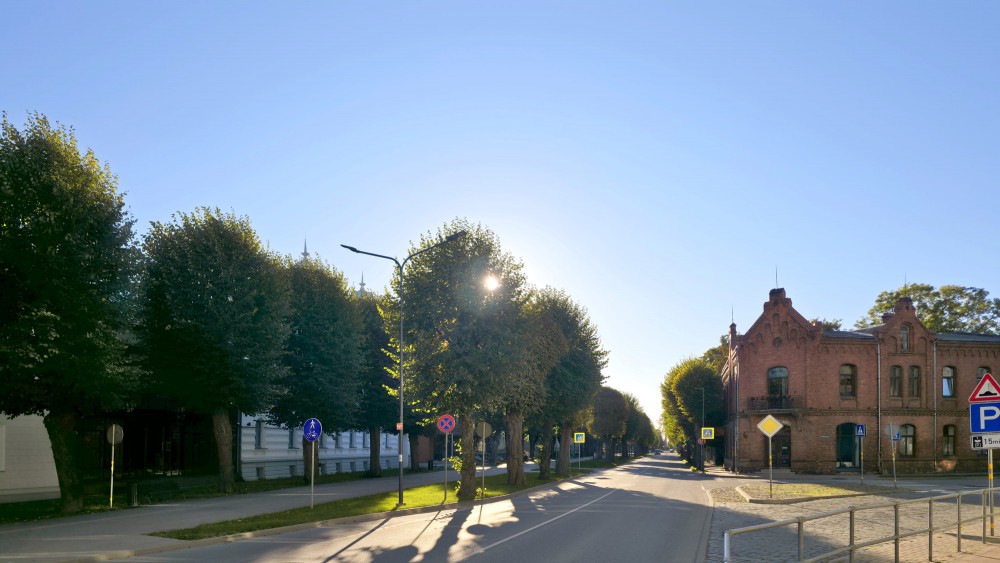
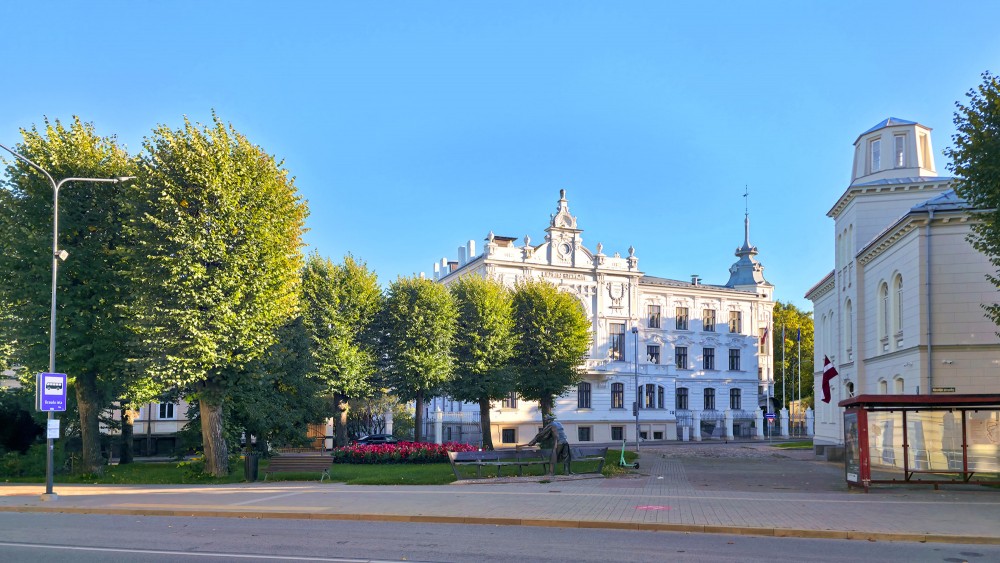
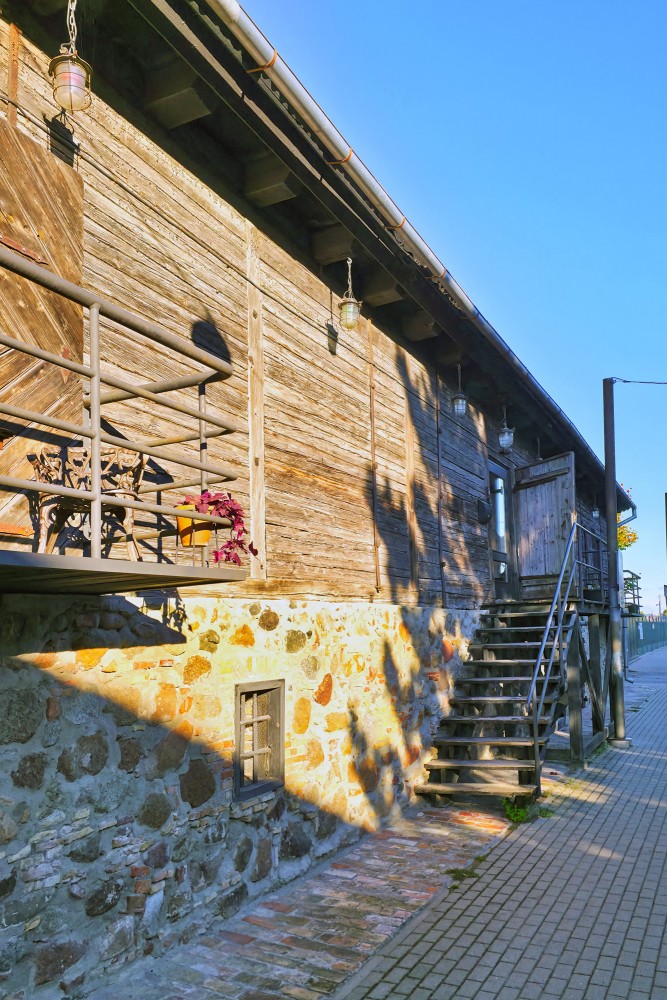
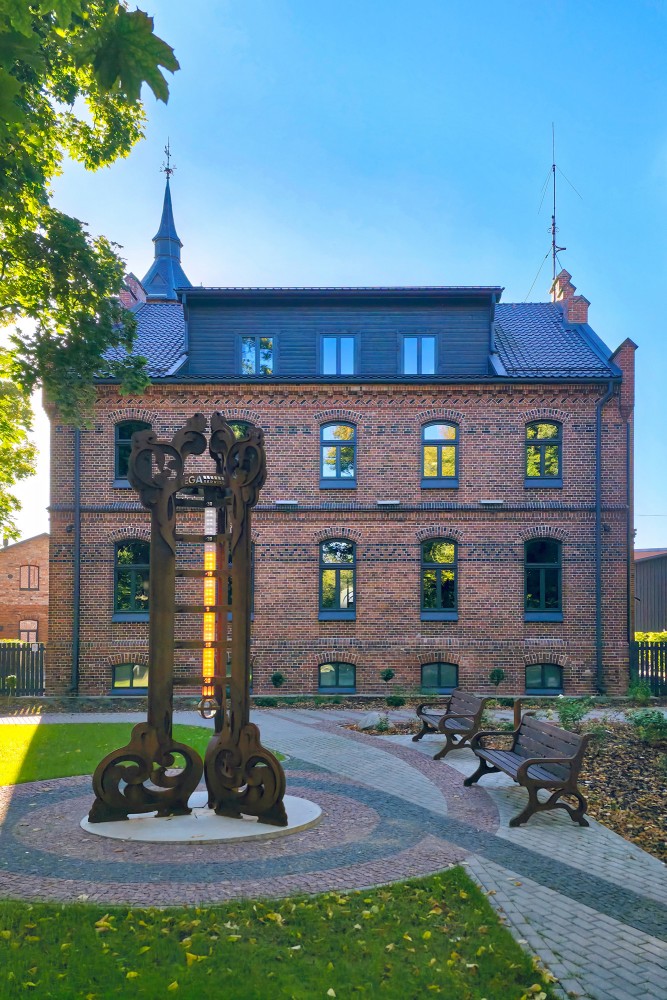
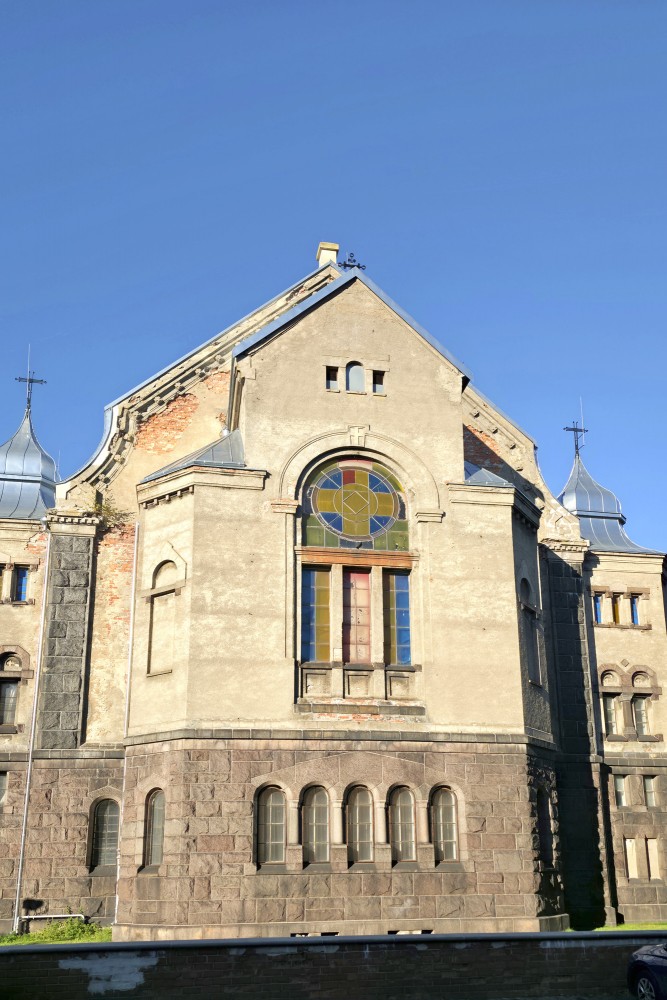
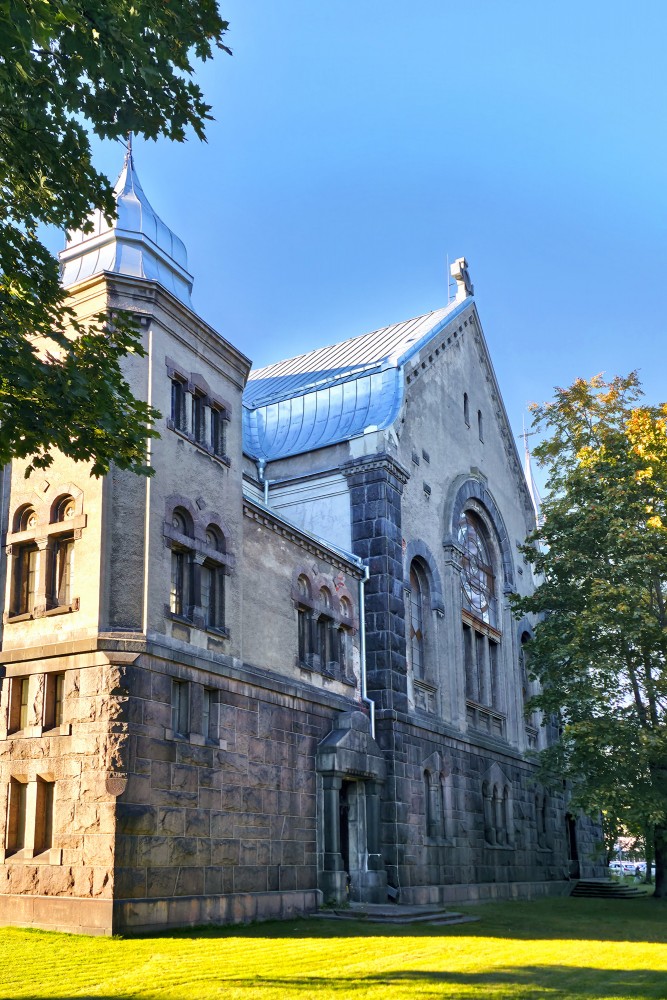
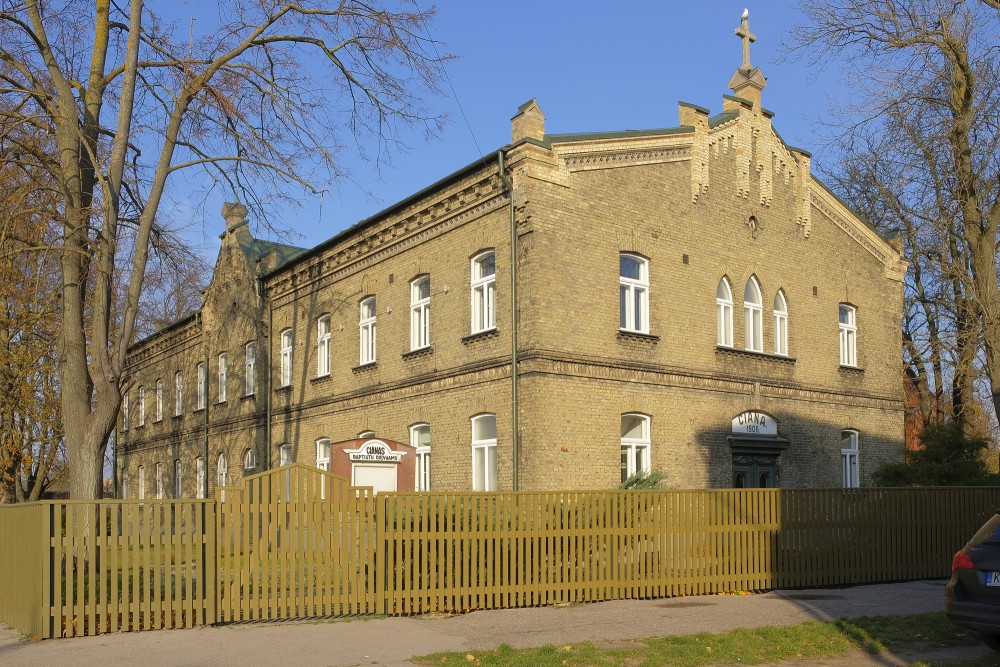
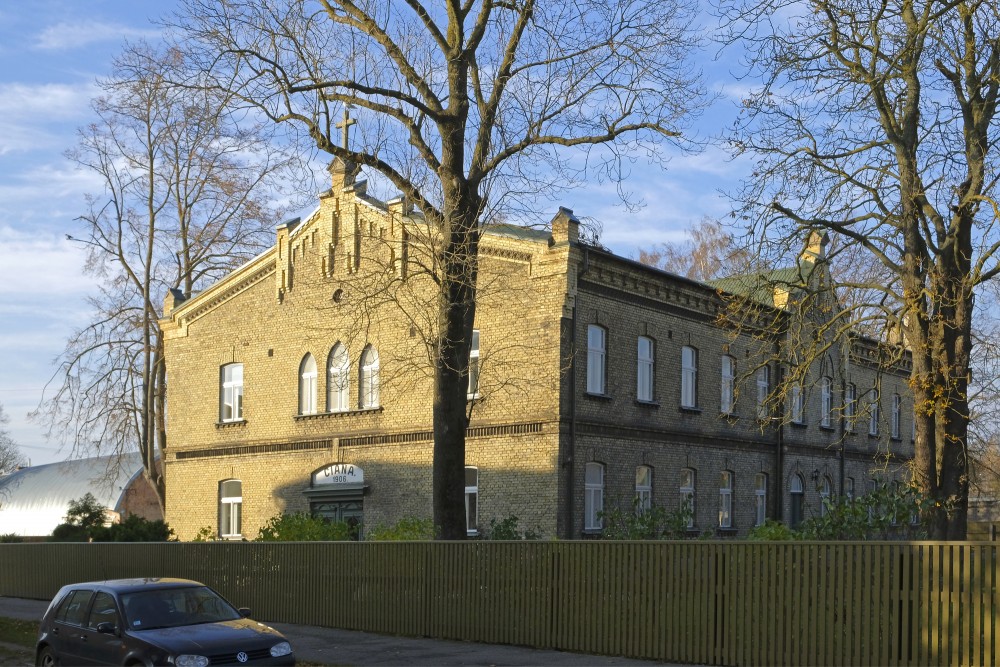
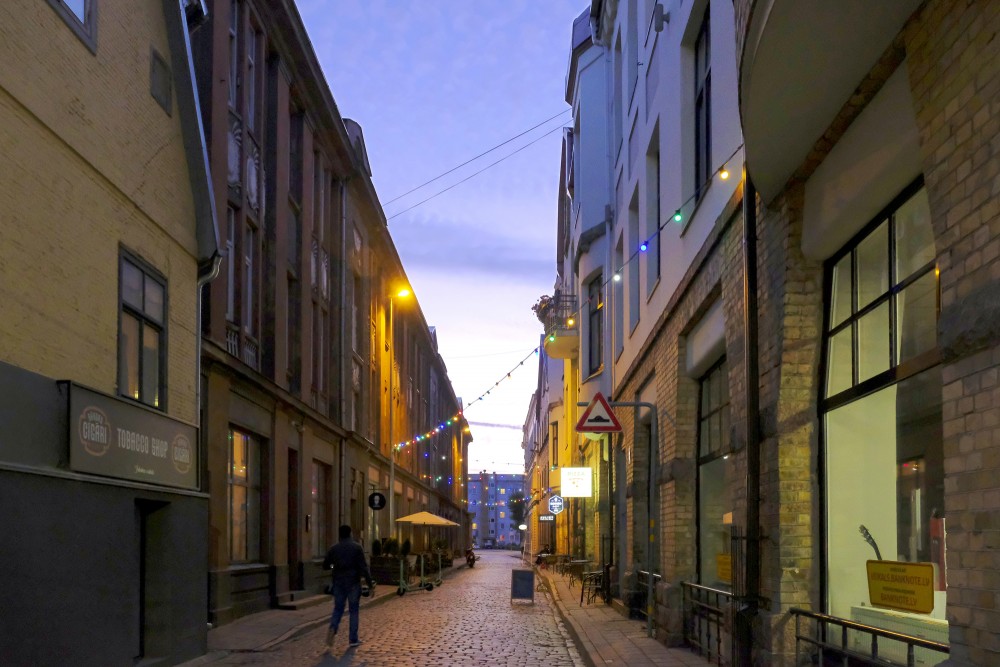
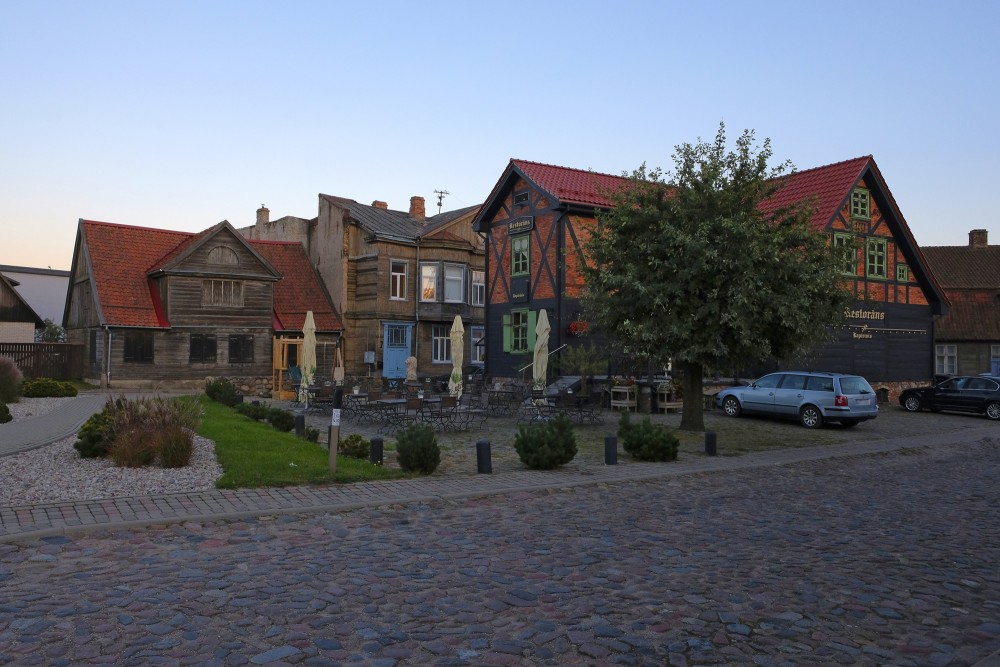
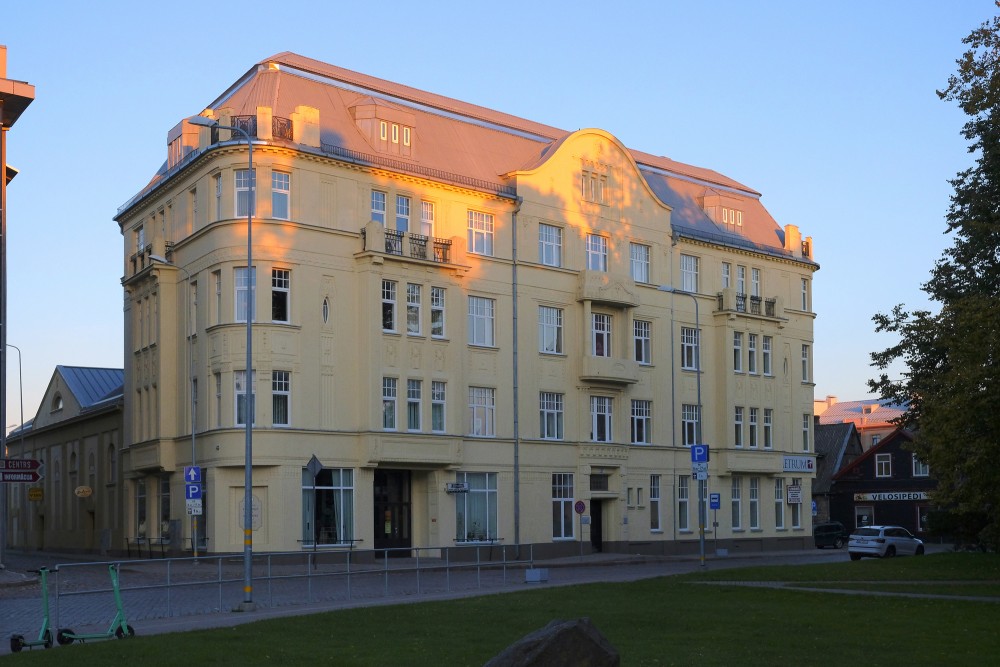
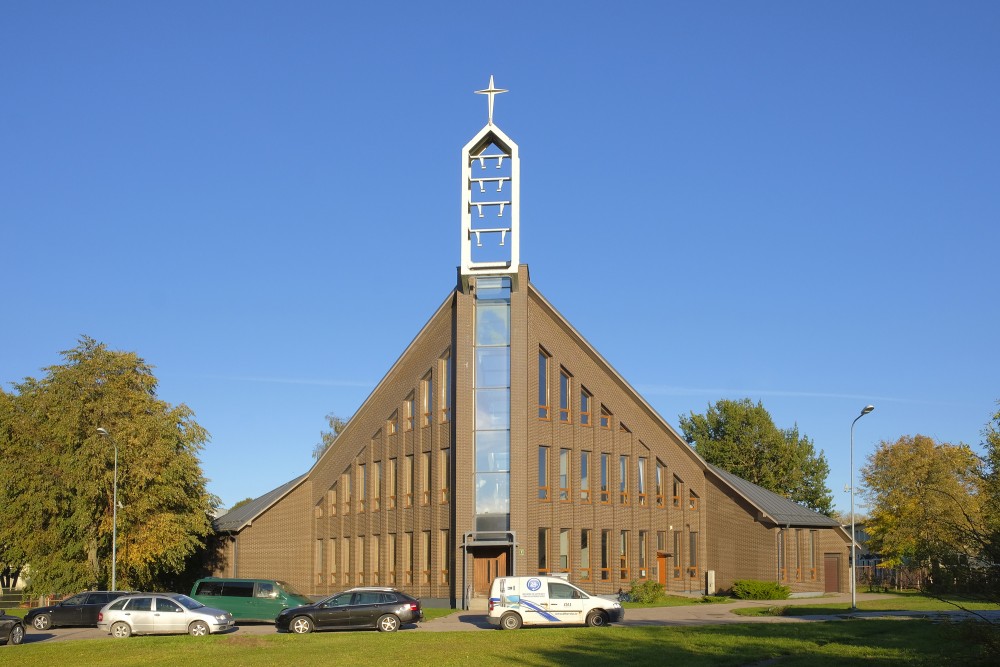
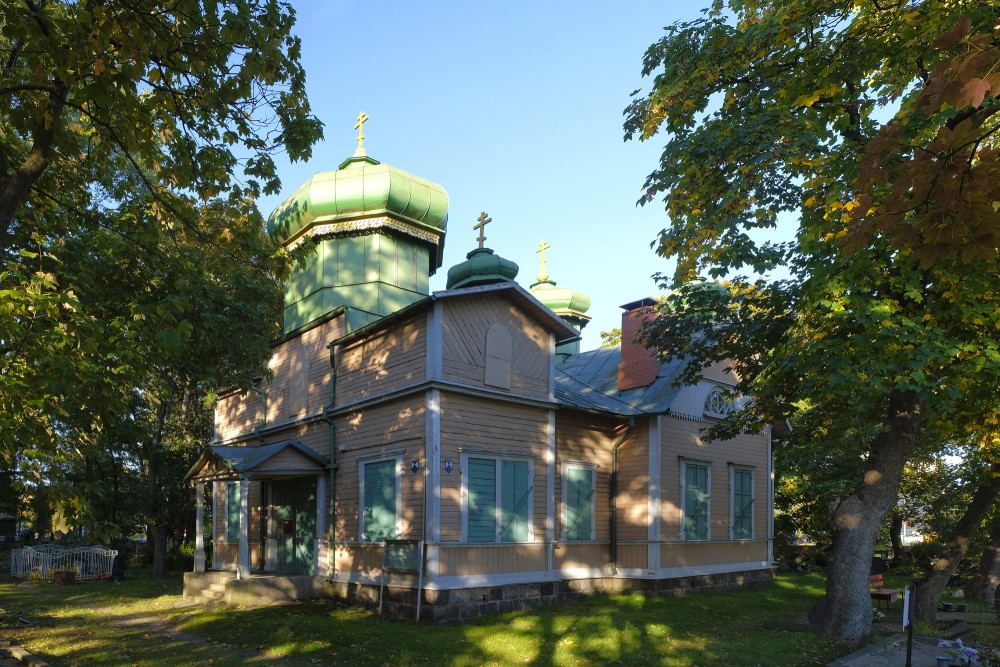
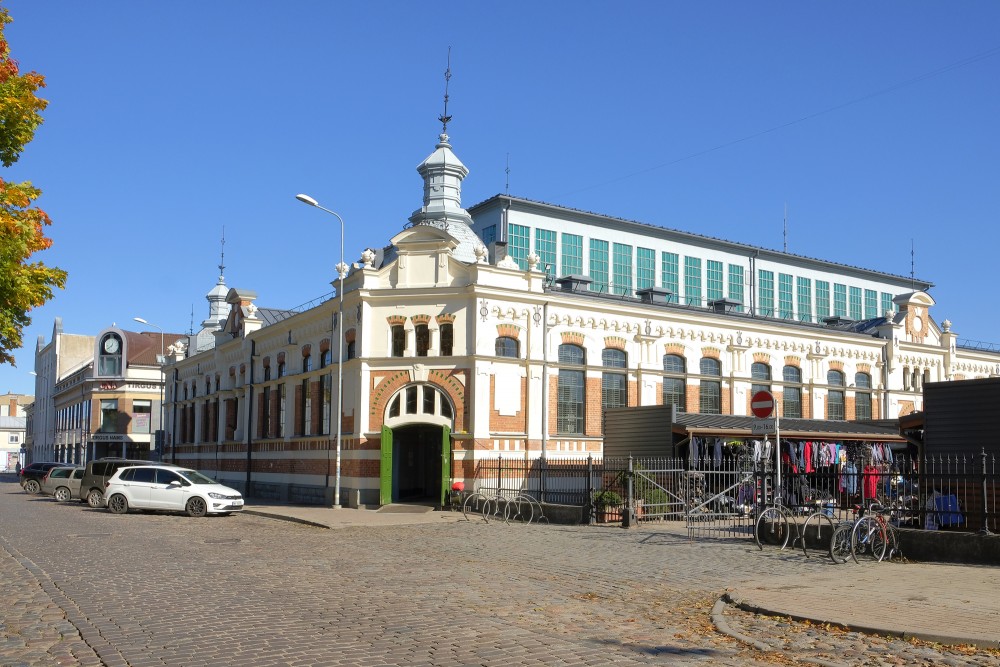
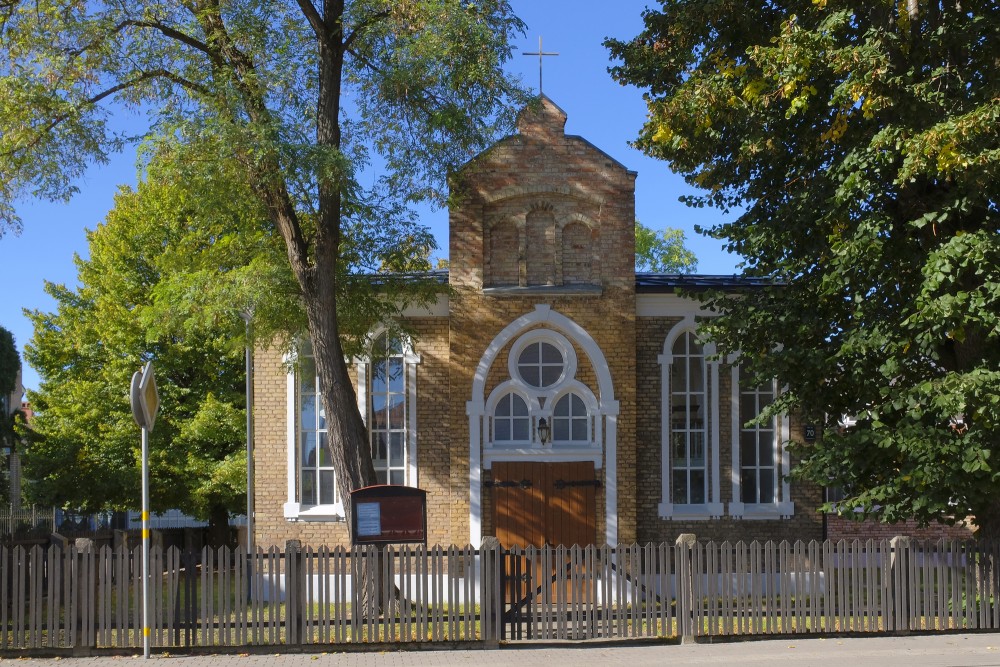
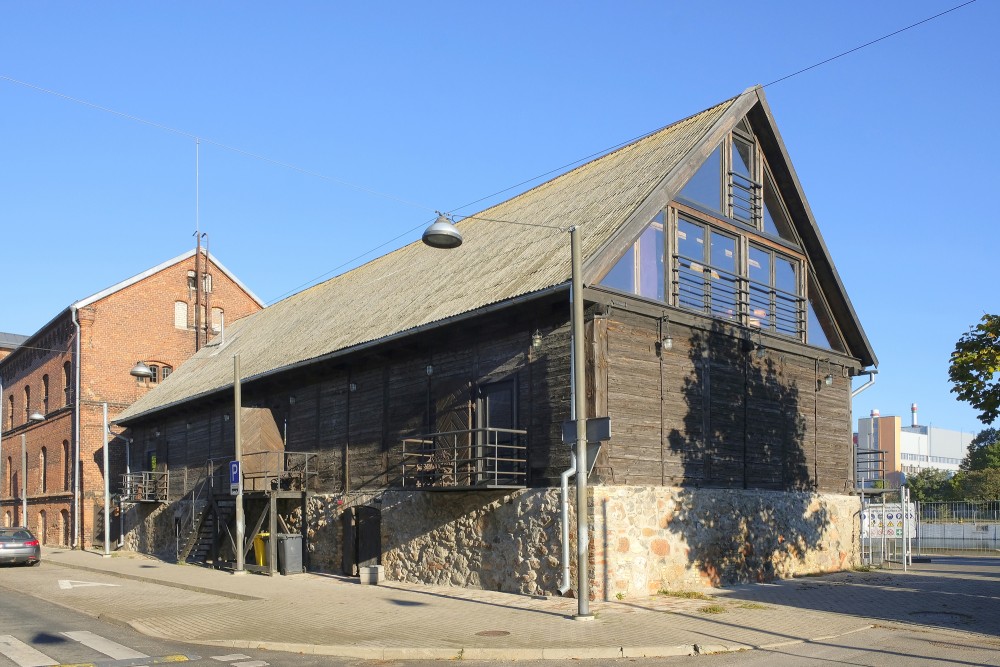
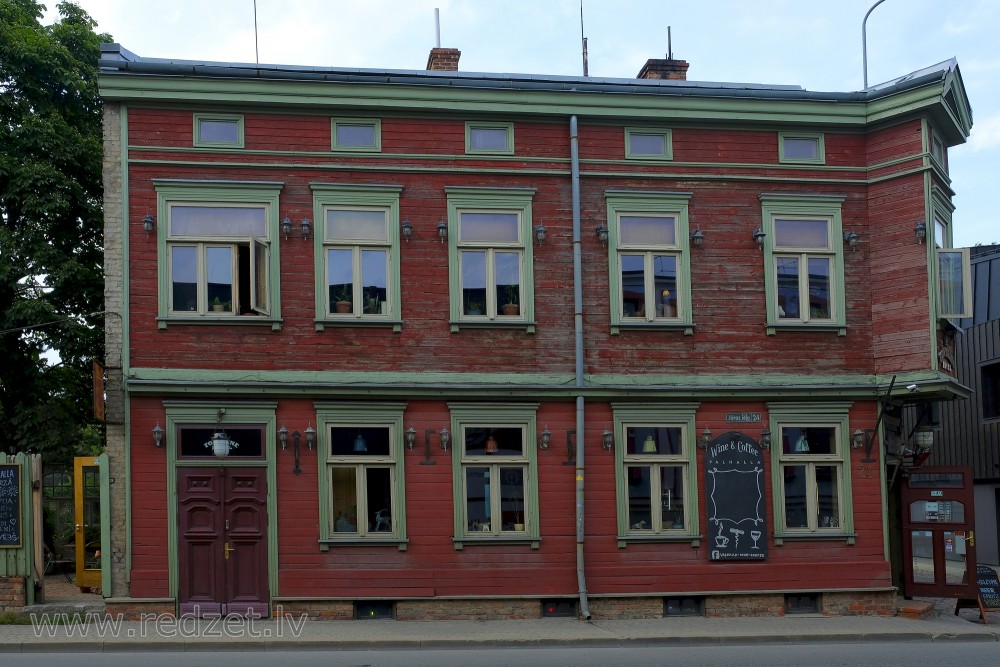
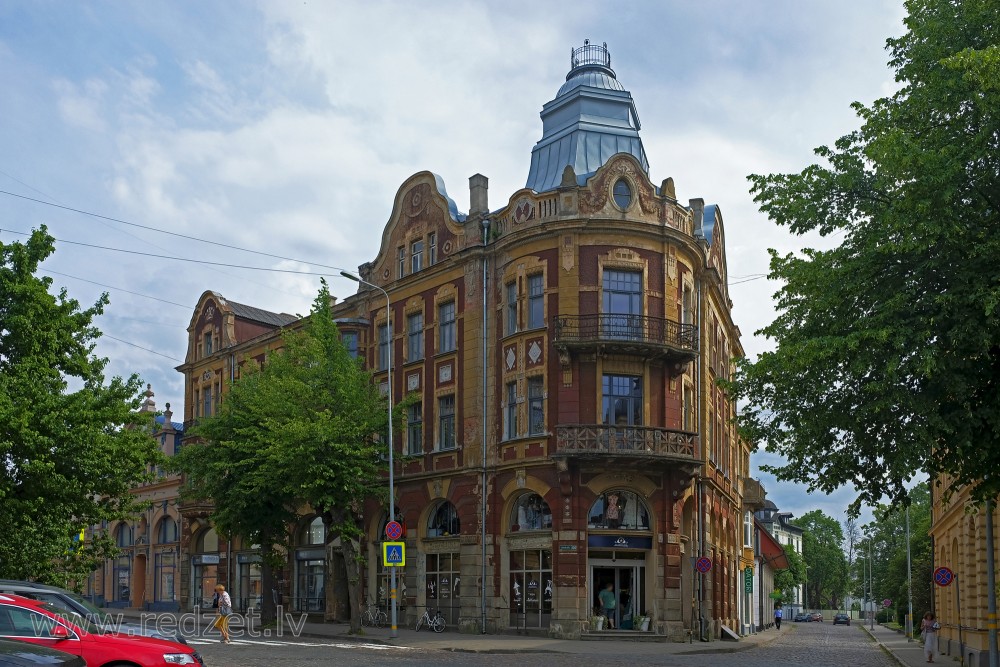
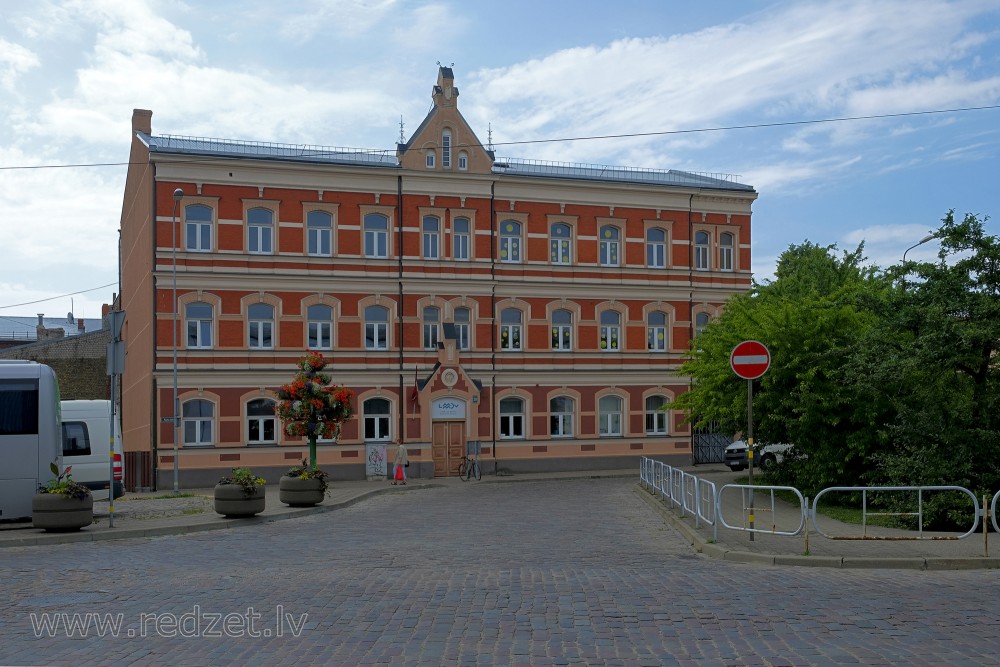
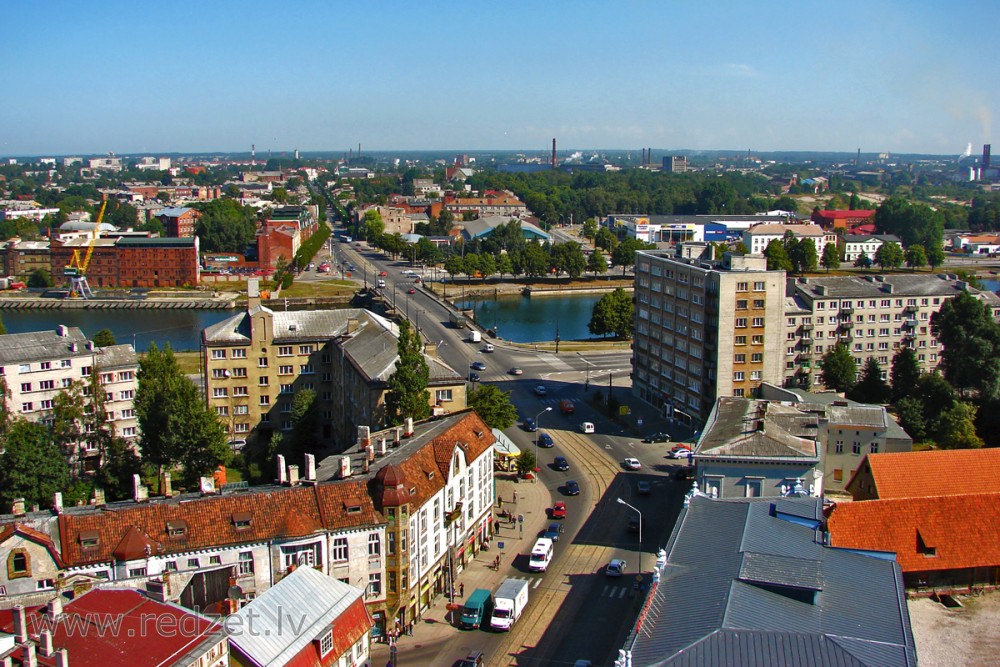
The oldest surviving buildings are 17th- and 18th-century wooden houses on Kungu iela. In the late 19th and early 20th centuries, city architect Paul Max Bertschy shaped much of the city, and Liepāja has many Art Nouveau buildings, especially on Graudu iela. The Holy Trinity Cathedral was built in the mid-18th century. Its organ has 131 stops and was the largest in the world when it was extended in 1885. Other churches include St. Anne’s Church and St. Joseph’s Cathedral, the largest Catholic church in Kurzeme. The Pētertirgus market hall on Kūrmājas prospekts dates from 1910.
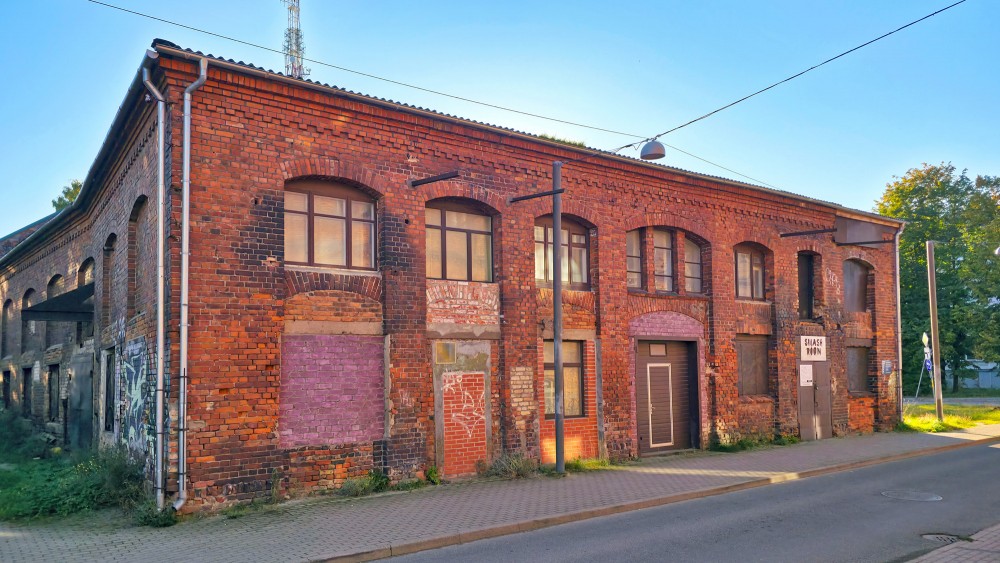
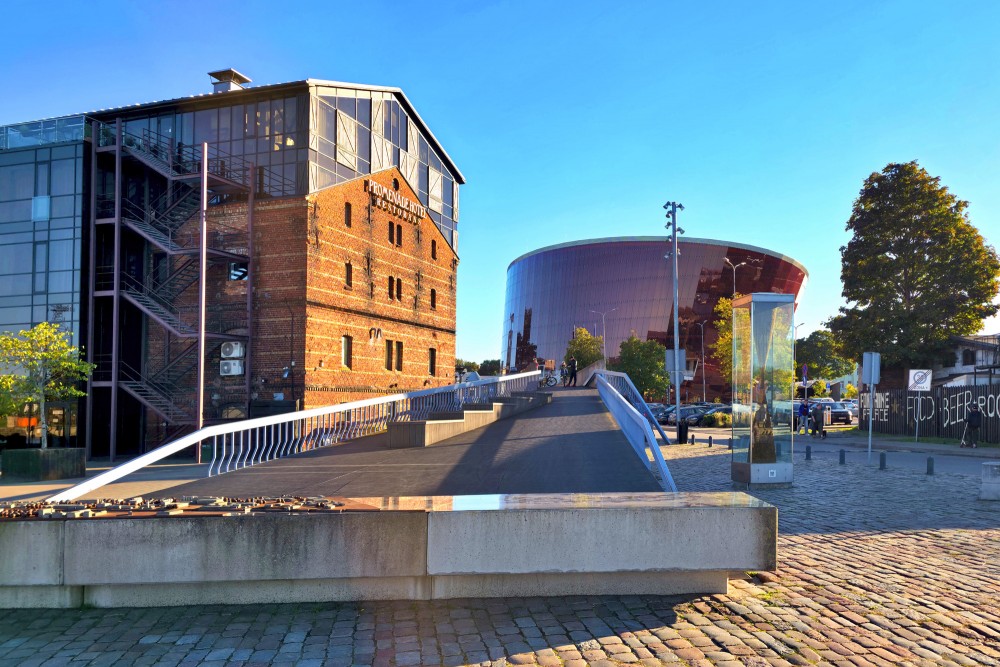
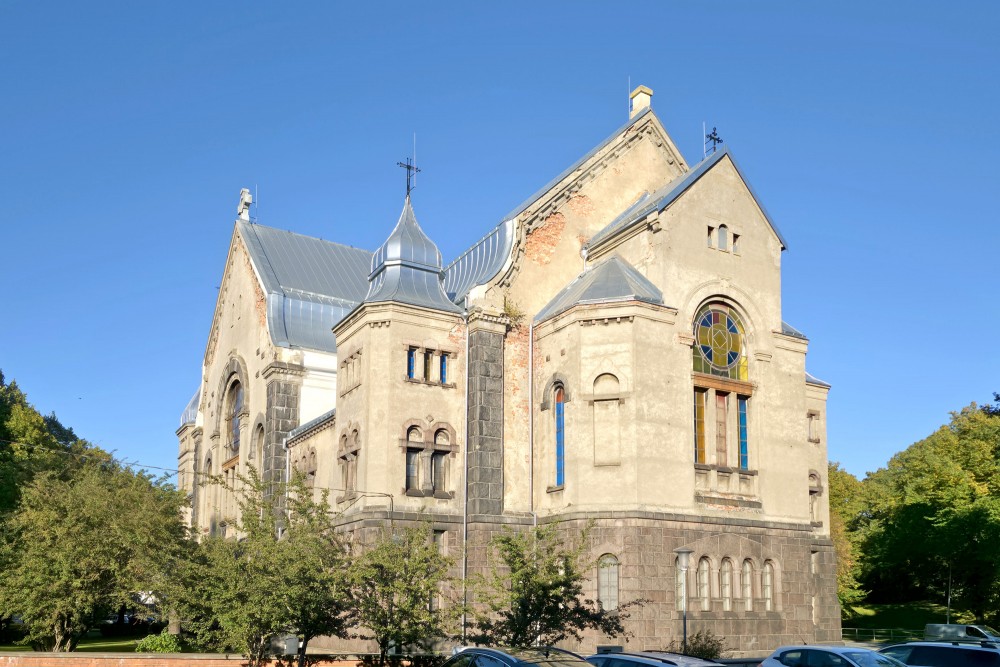
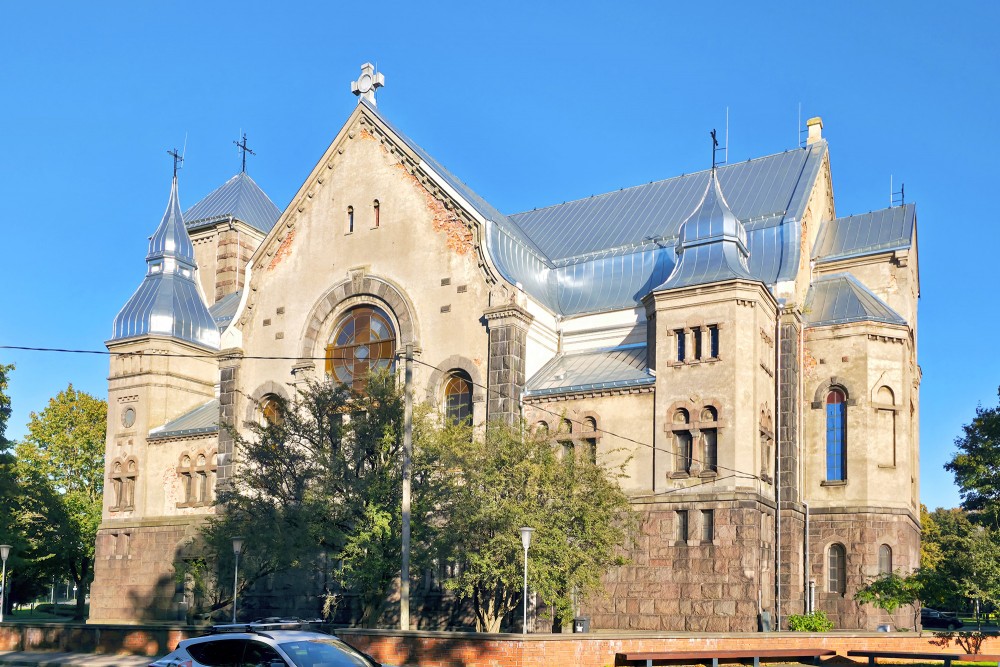
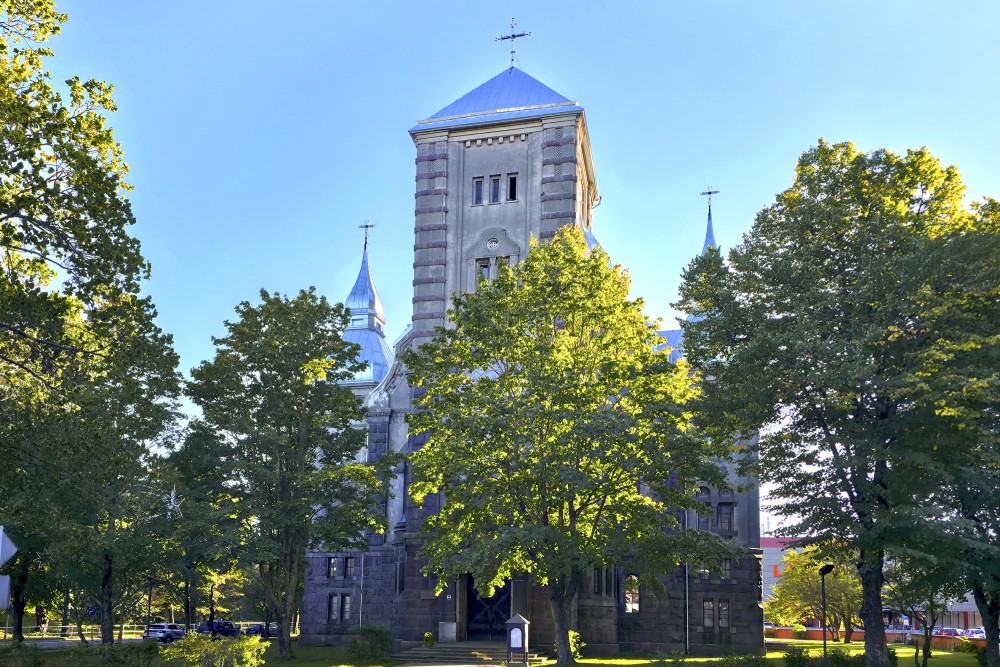
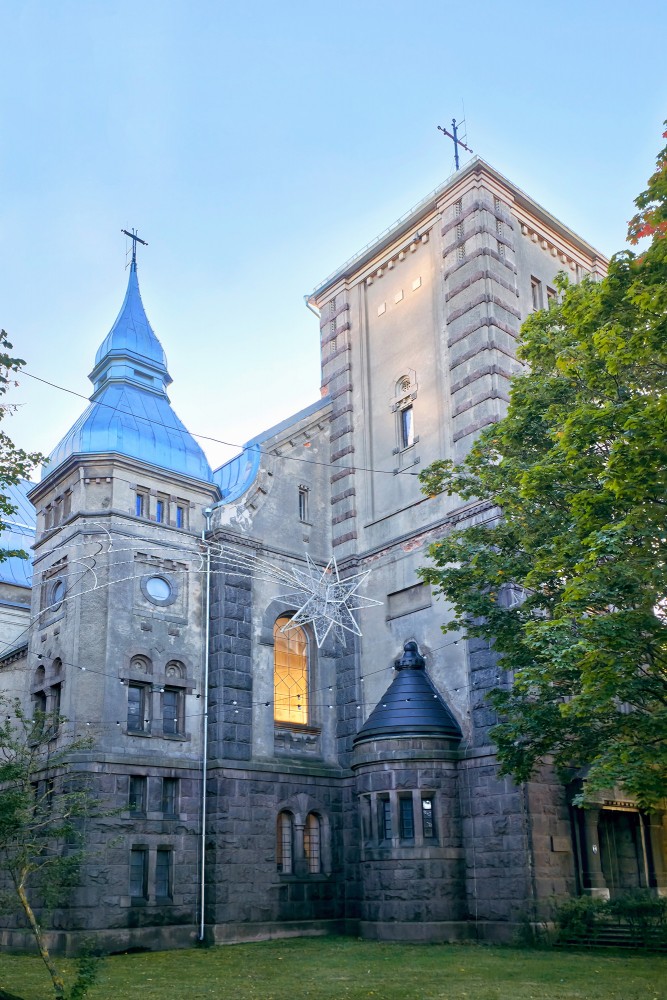
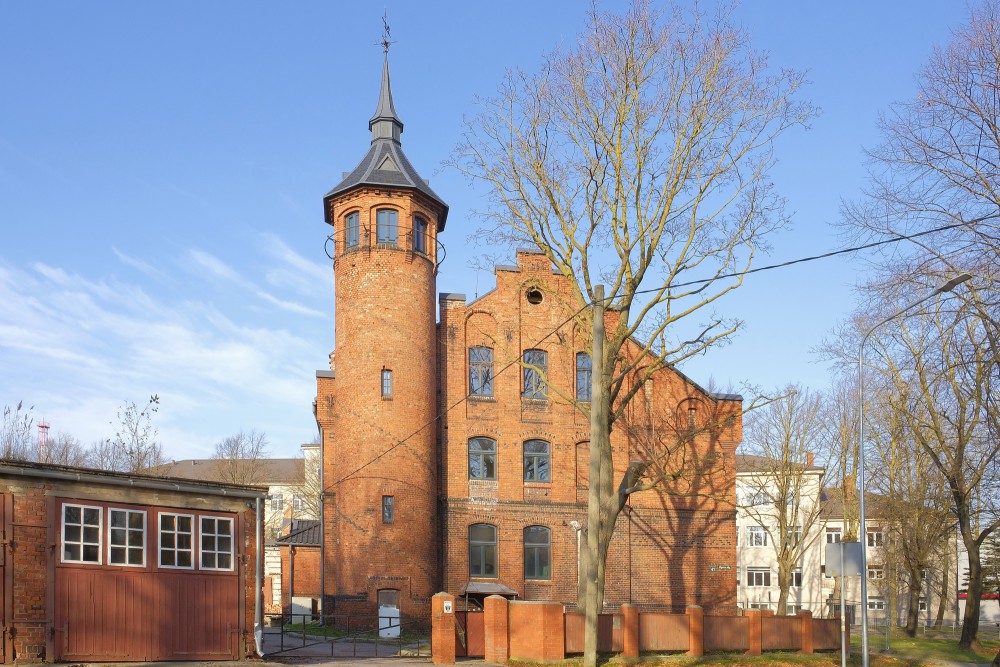
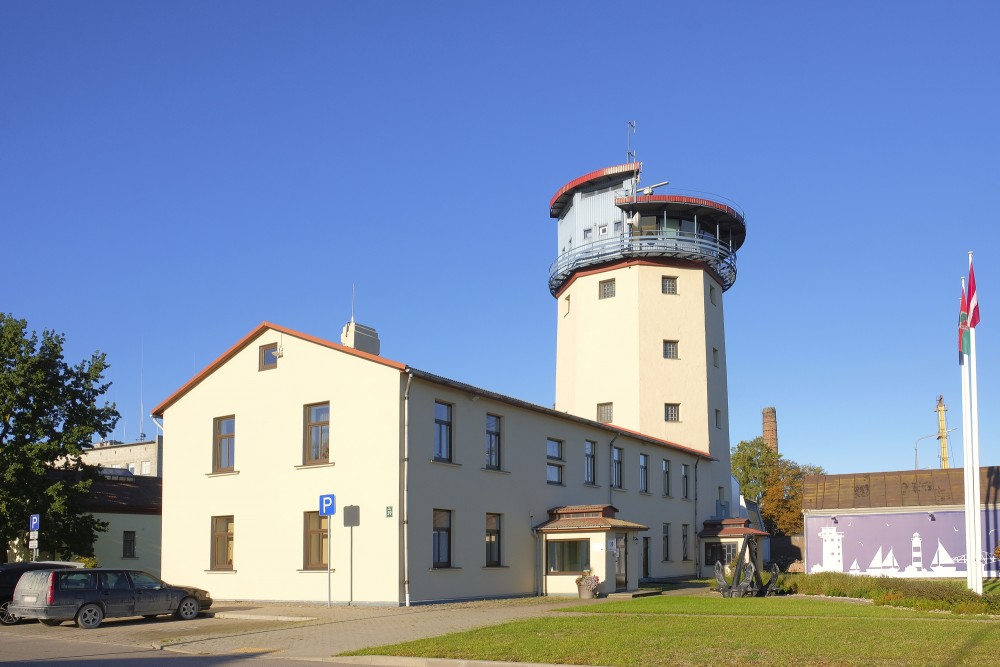
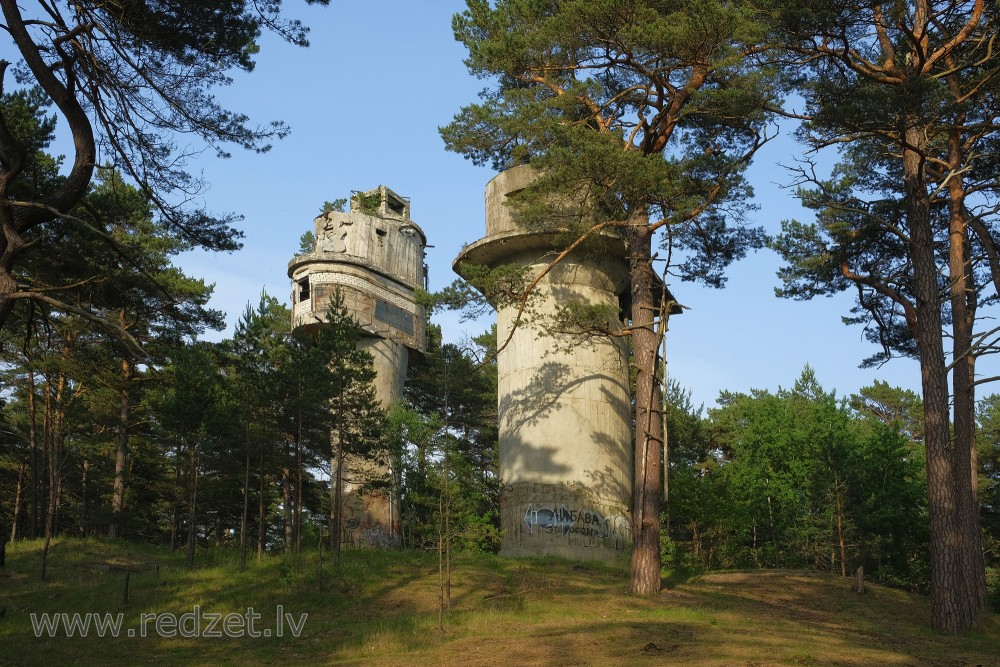
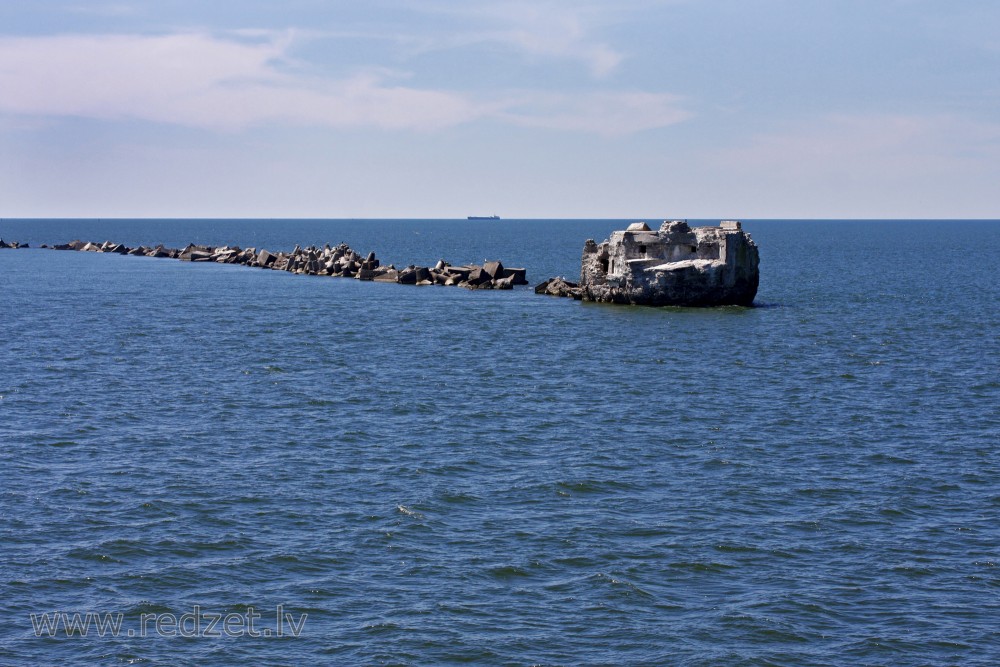
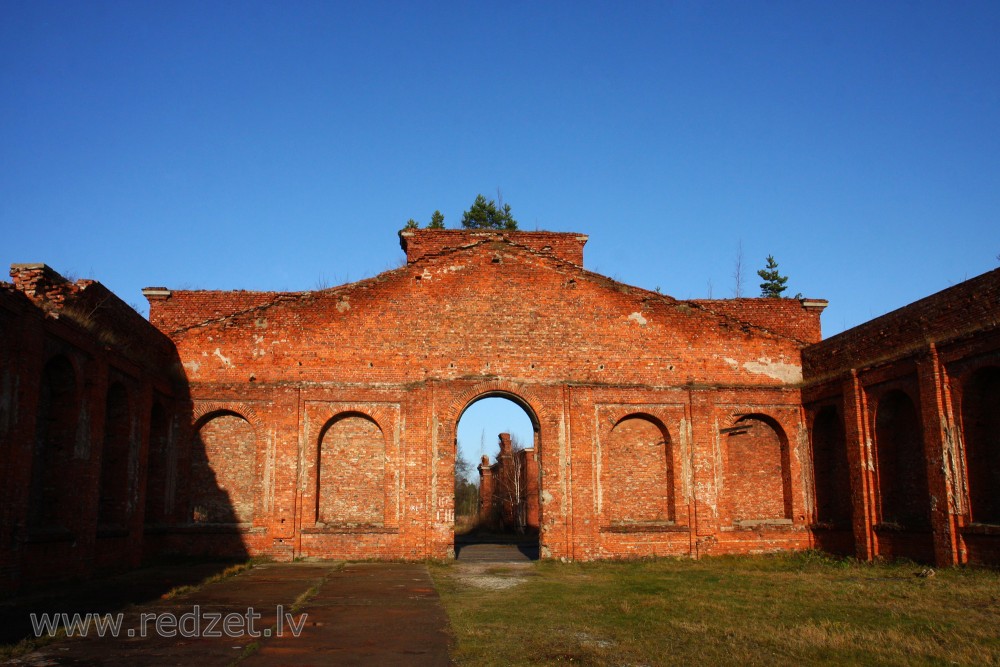
Karosta is a separate district of red-brick military buildings, with the St. Nicholas Naval Cathedral (1901–1903) and a water tower. In northern Karosta stand the ruins of the Northern Forts, part of the Liepāja Fortress built in the late 19th century. Karosta Prison was built around 1900 and is the only military prison in Europe open to tourists. Modern architecture is represented by the Great Amber concert hall (opened 2015, designed by Volker Giencke), whose facade resembles amber.
Parks, squares and promenades
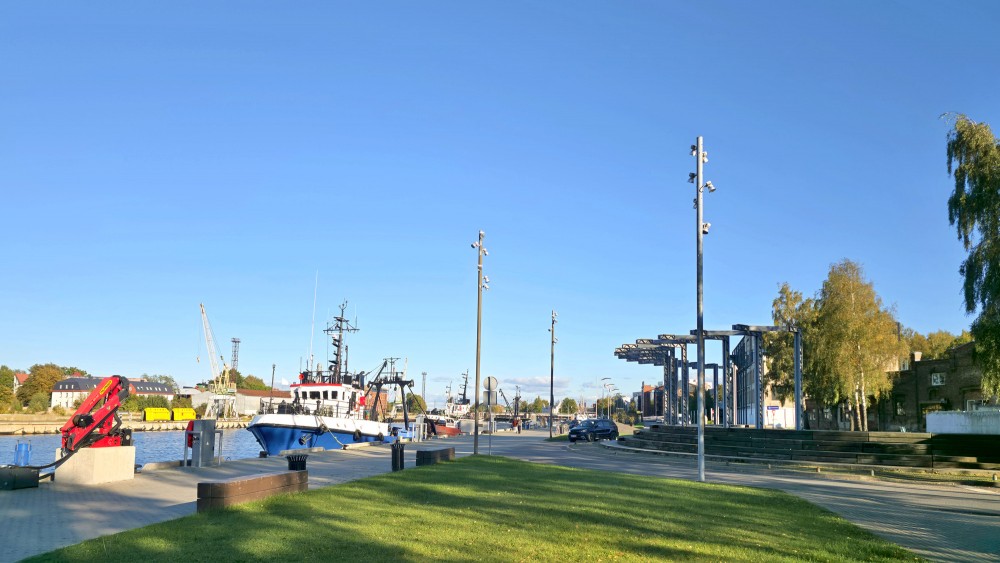
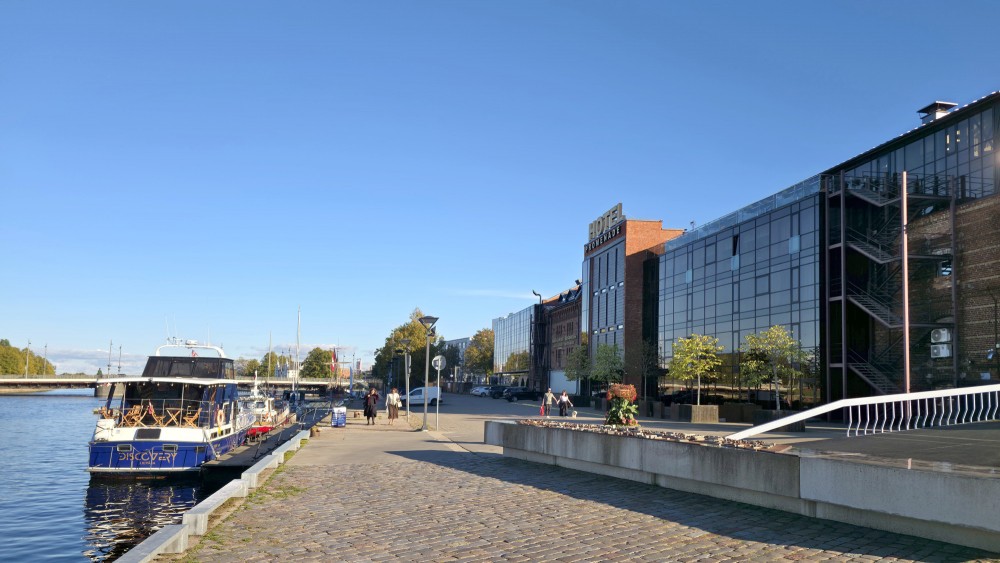
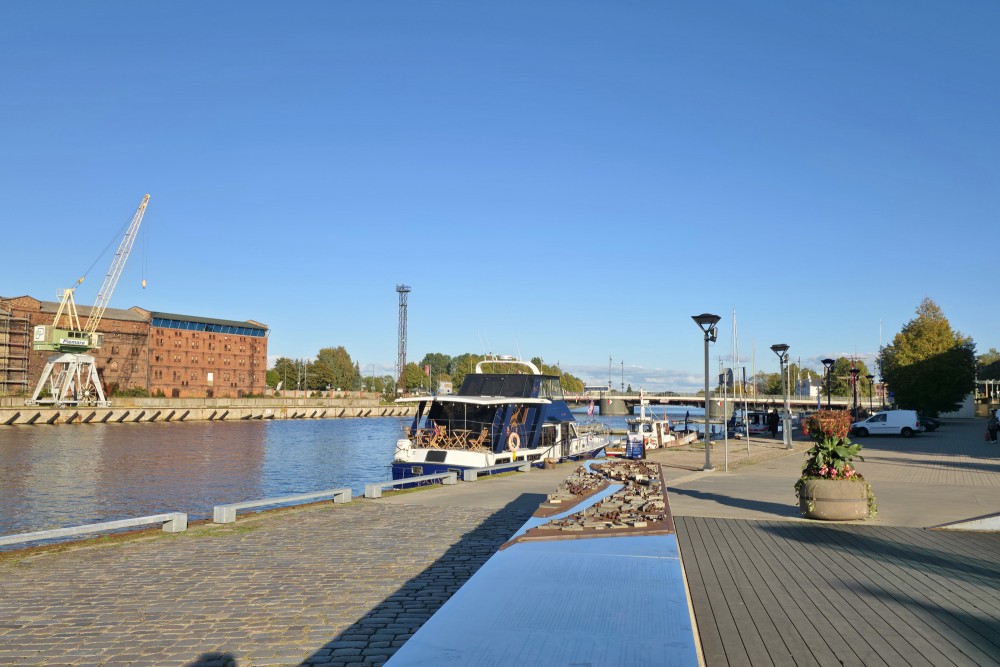
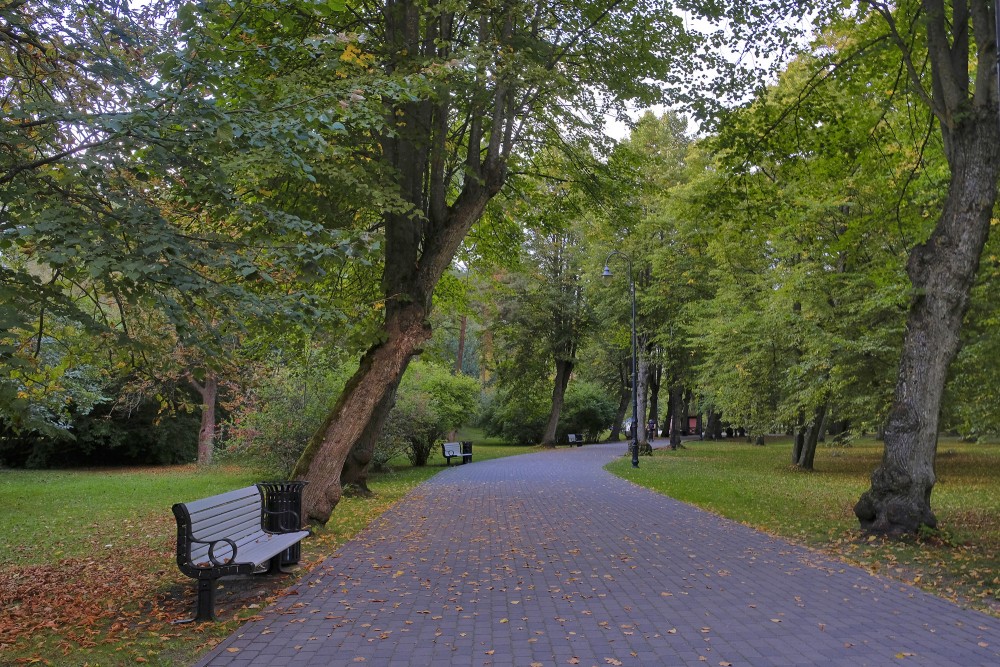
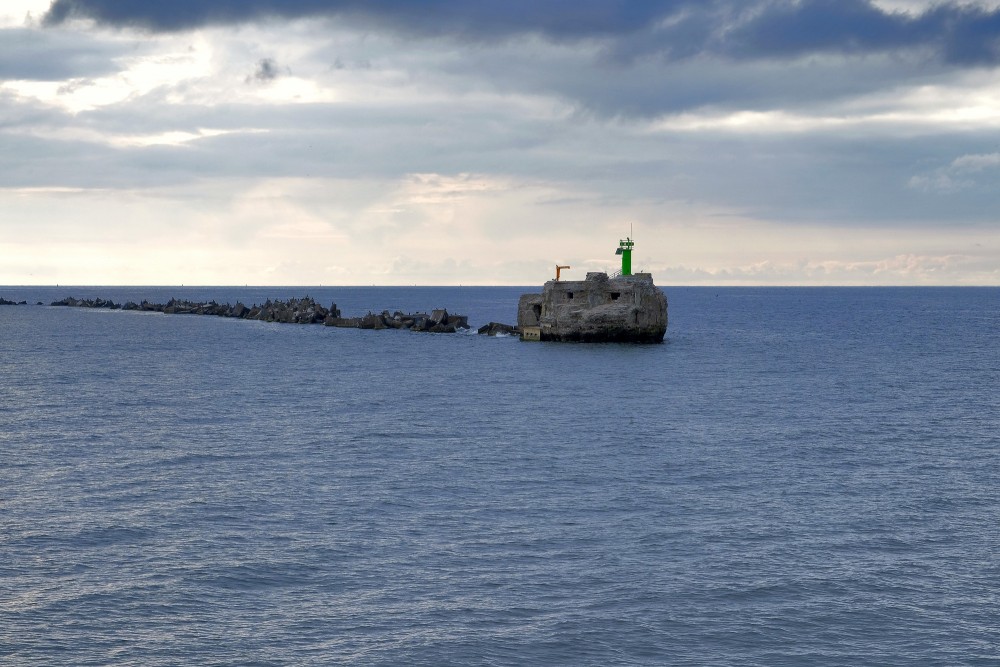
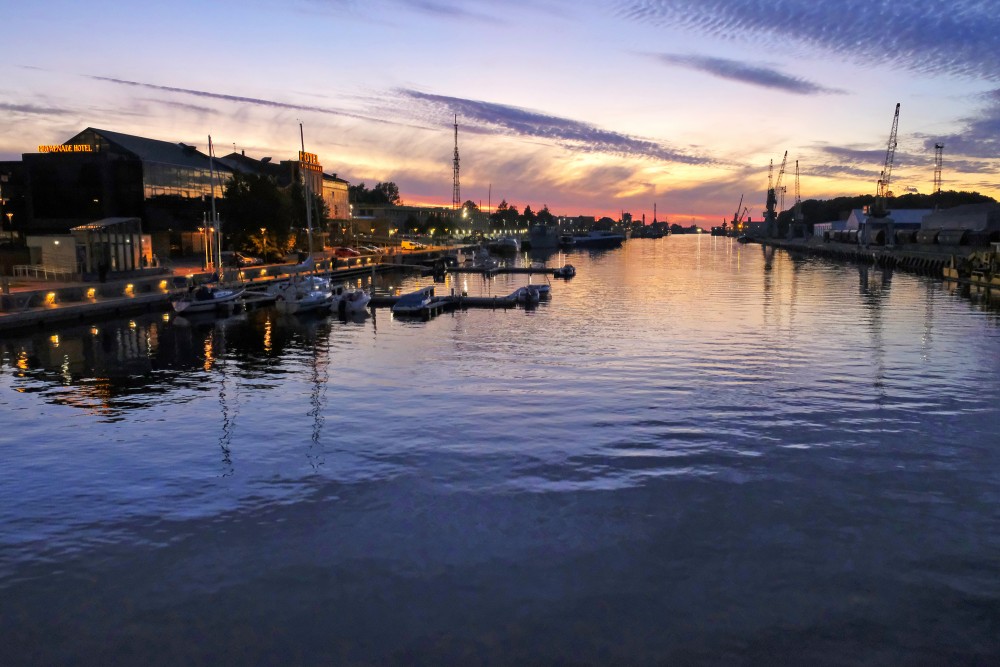
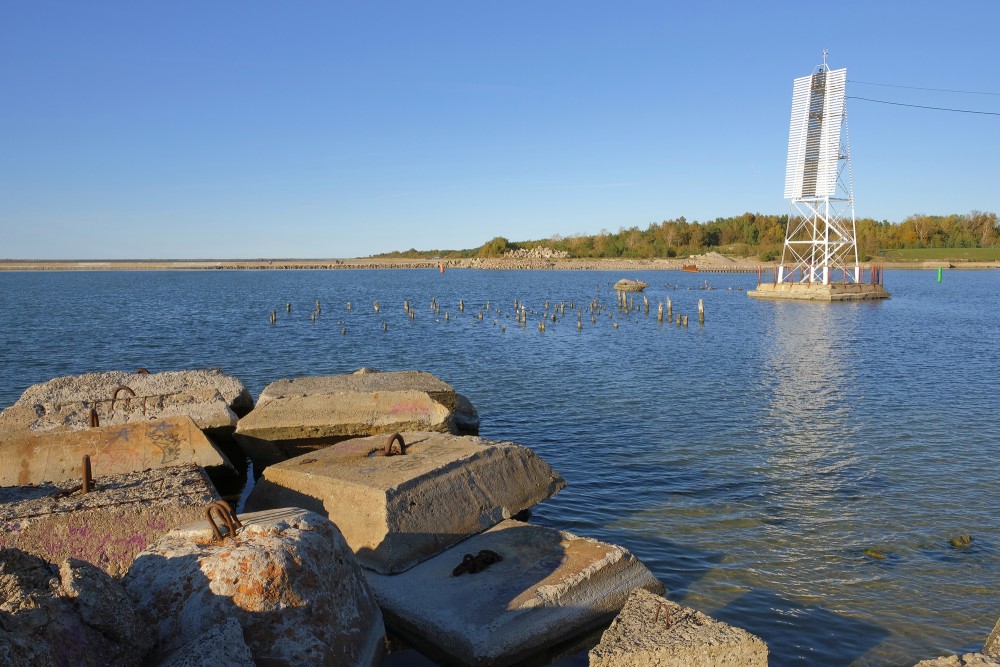
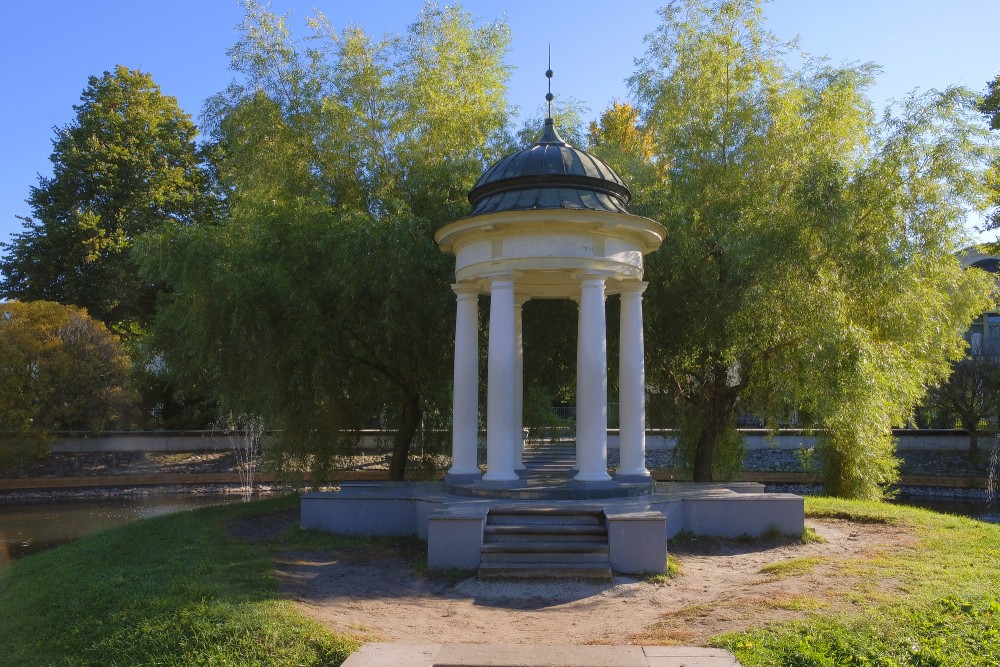
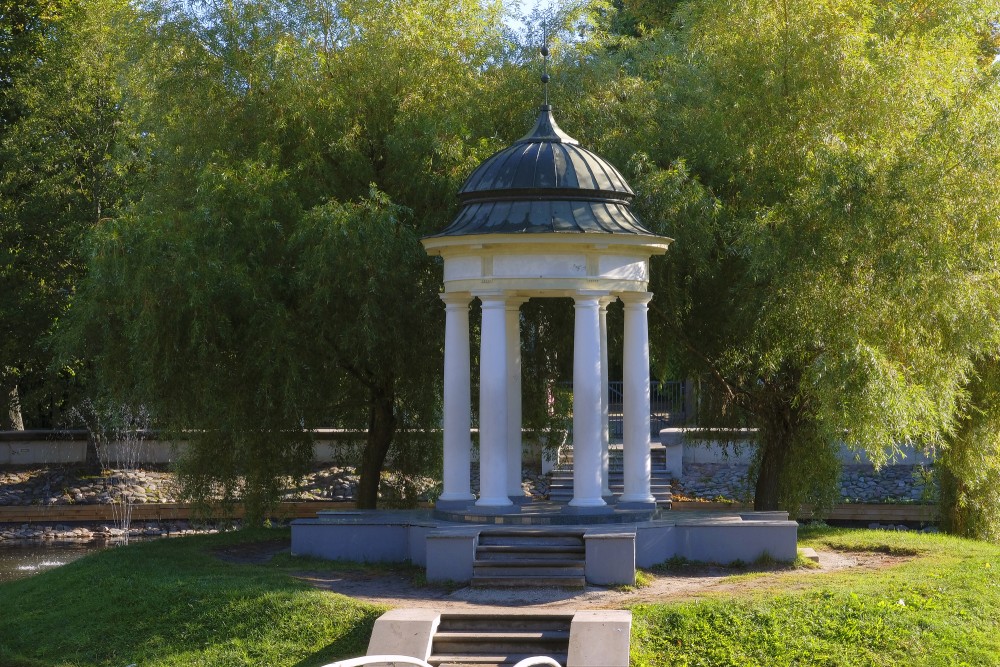
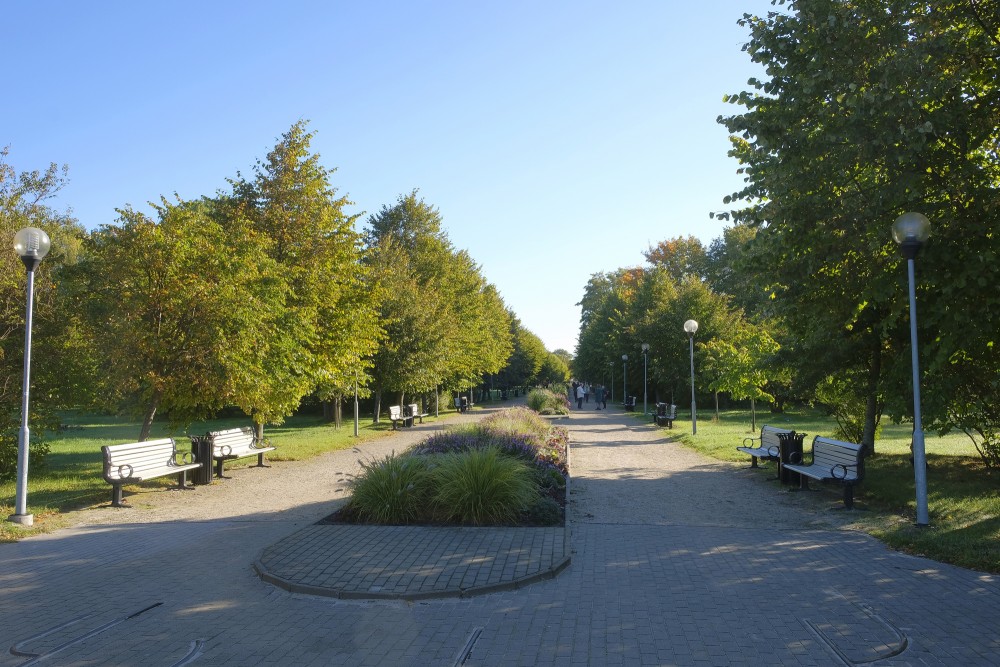
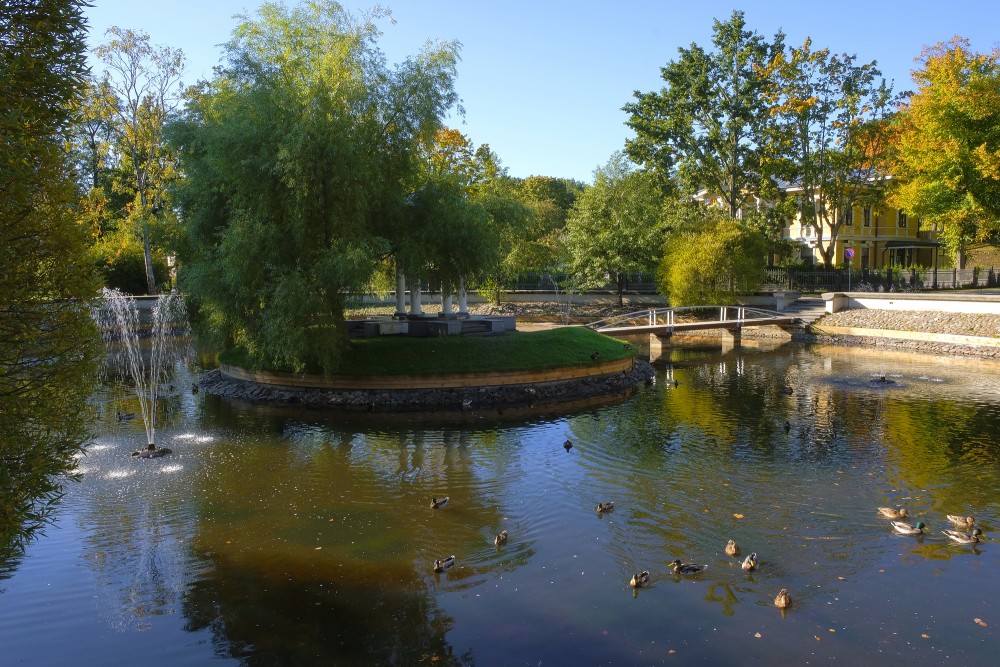
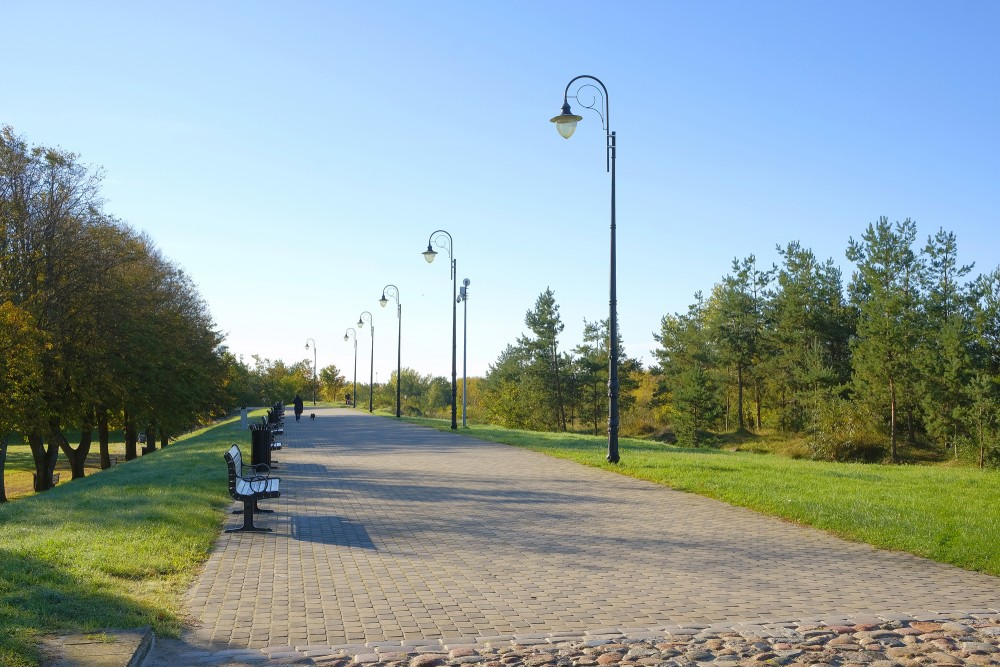
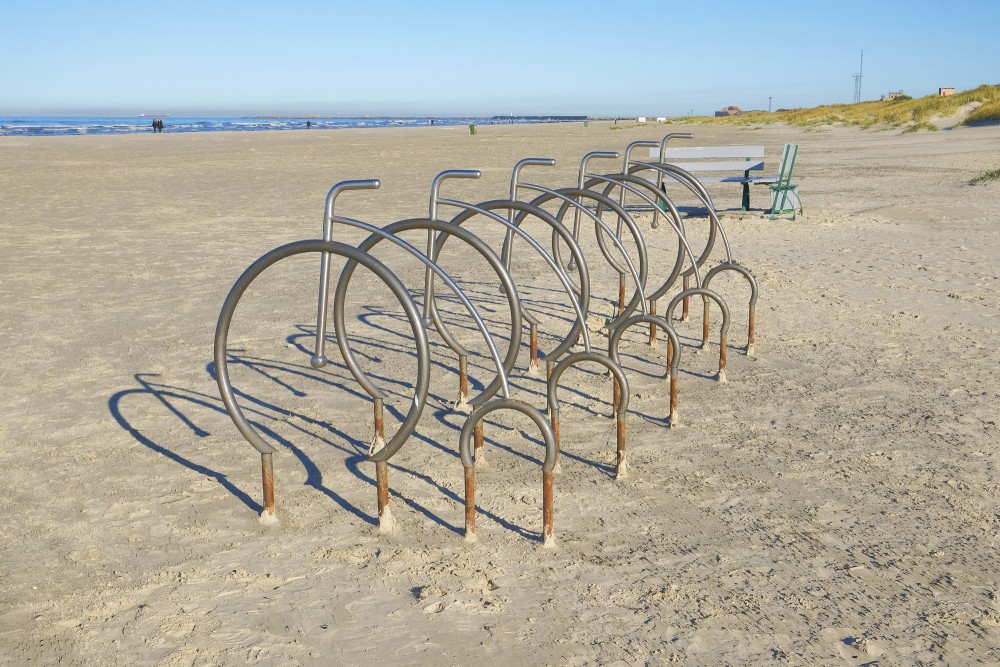
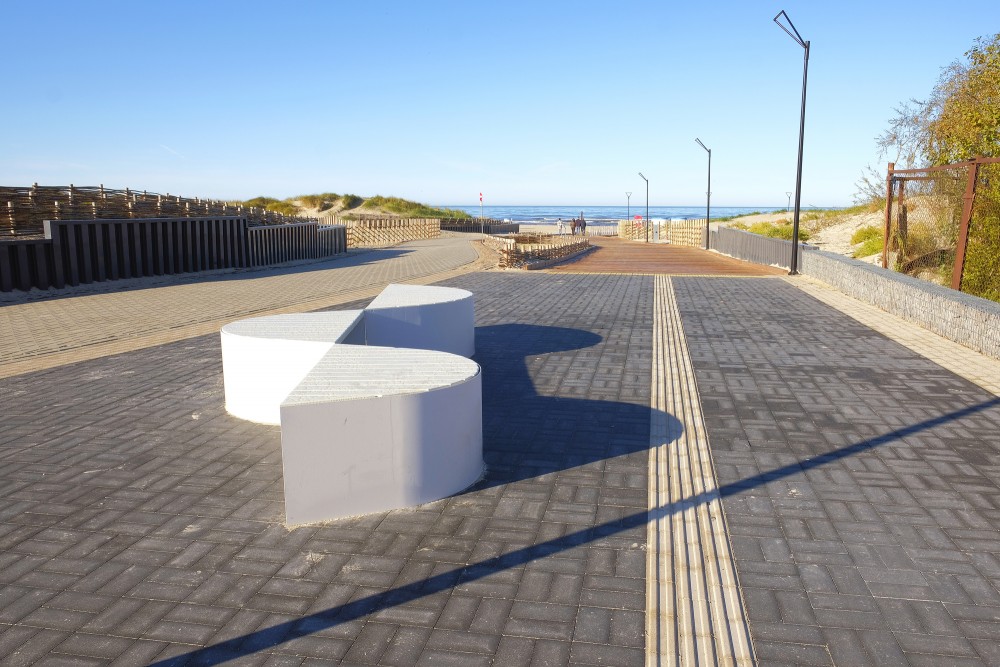
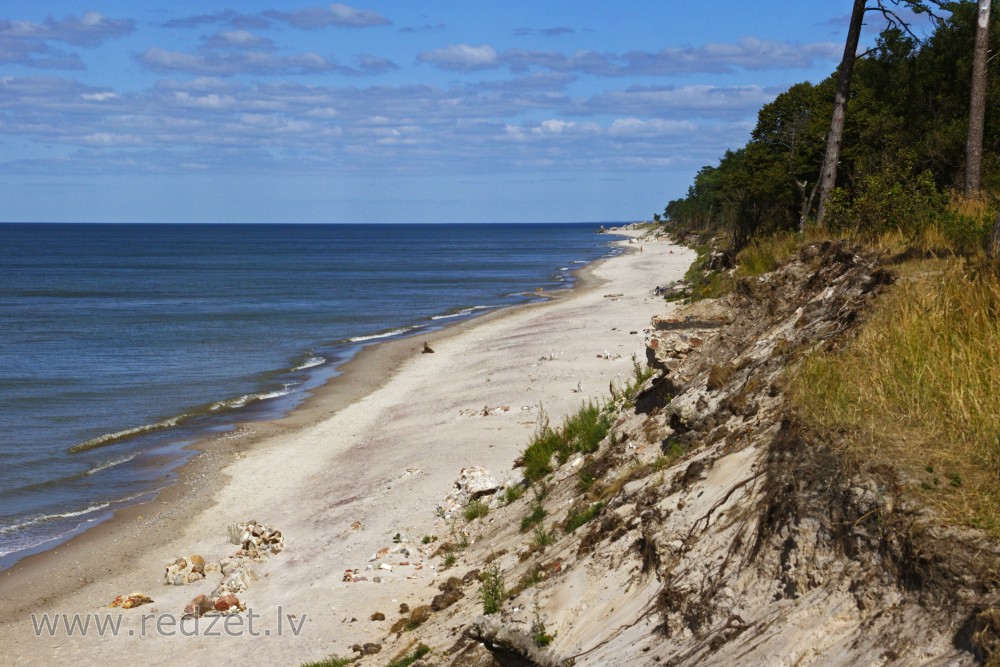
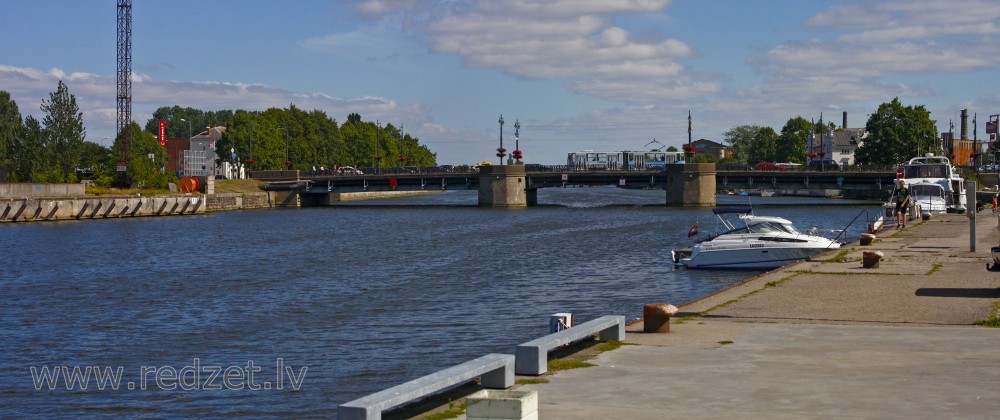
Seaside Park (Jūrmalas parks) is 3 km long, covers 50 ha and is one of the largest planted parks in Latvia. It contains the open-air concert garden “Pūt, vējiņi!”. Rose Square (Rožu laukums) is the city’s centre, and Jānis Čakste Square has an illuminated fountain. A promenade runs along the south side of the Trade Canal. The beach is a wide strip of sand with dunes. The Northern Pier in Karosta is the longest breakwater in Latvia.
Water
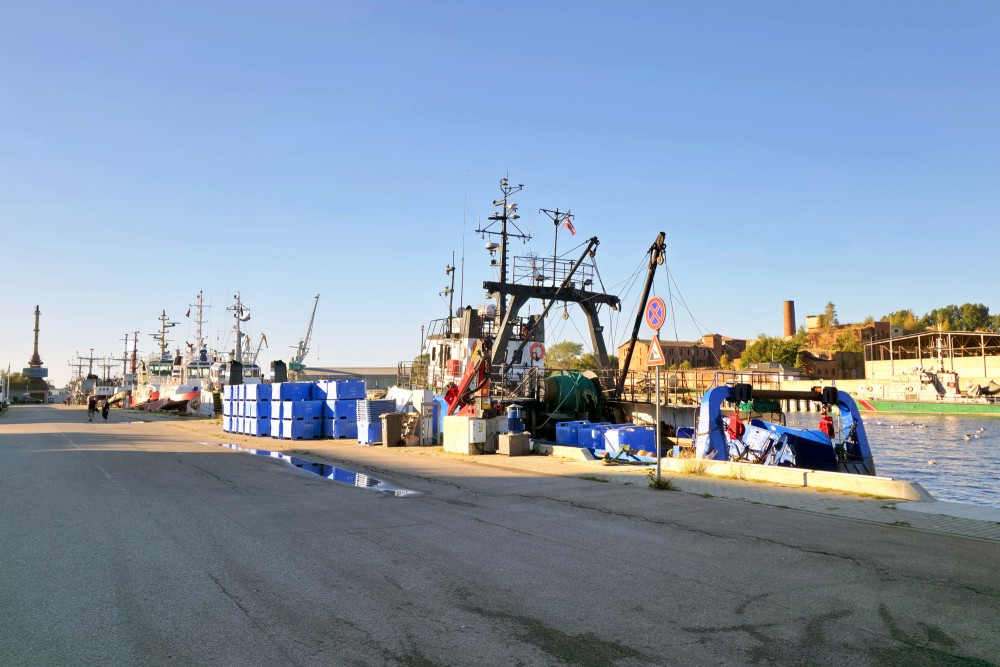
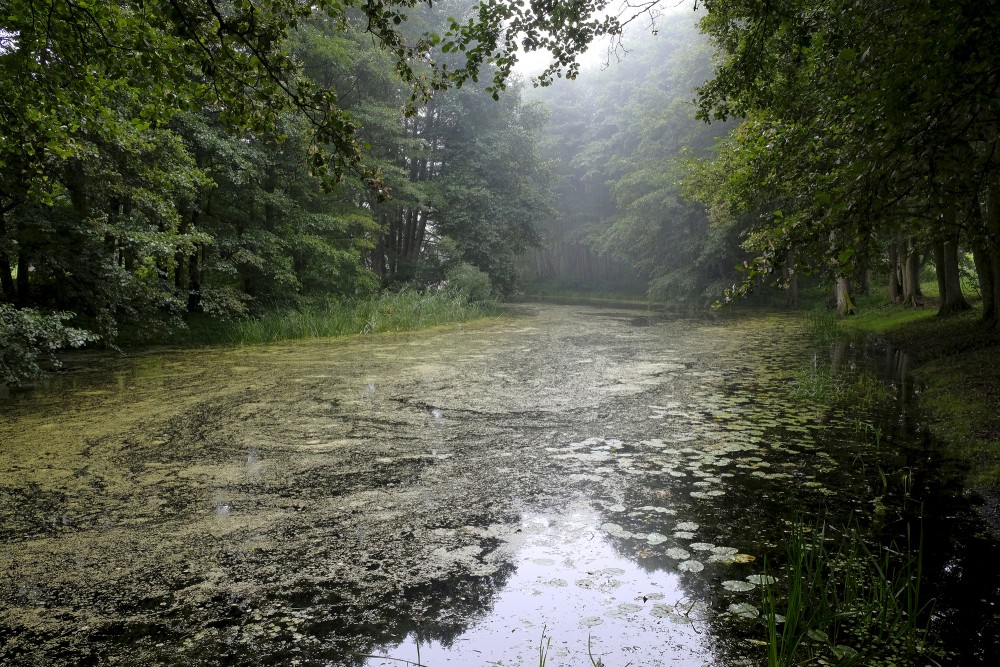
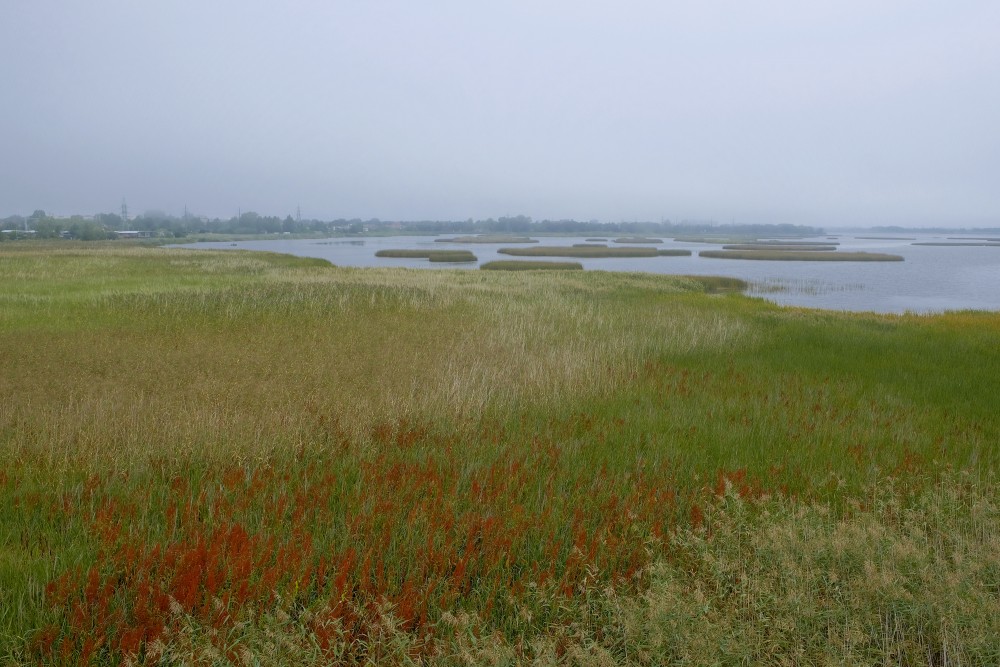
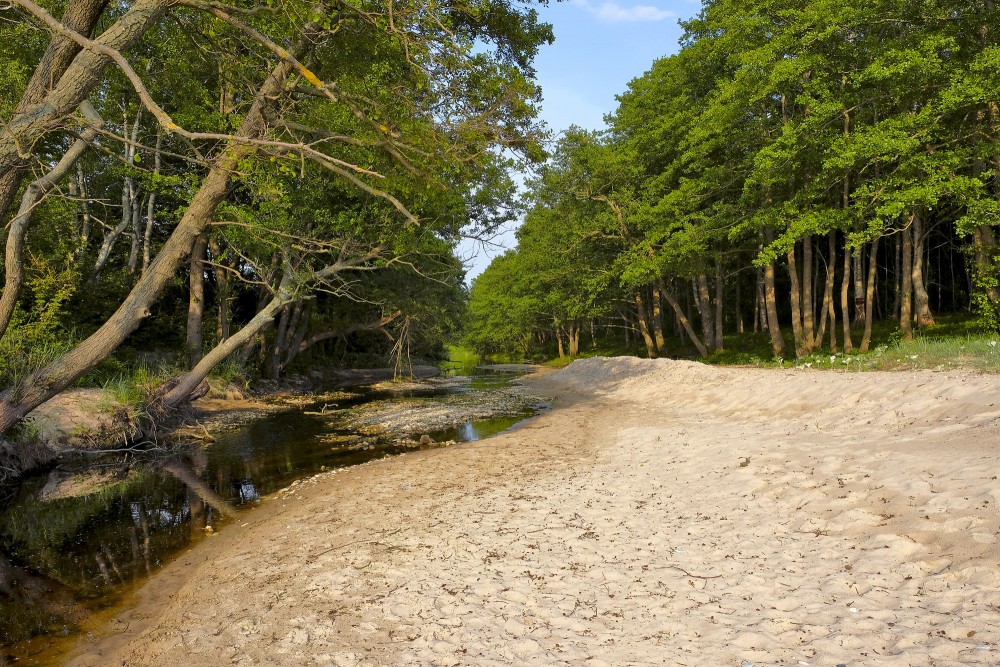
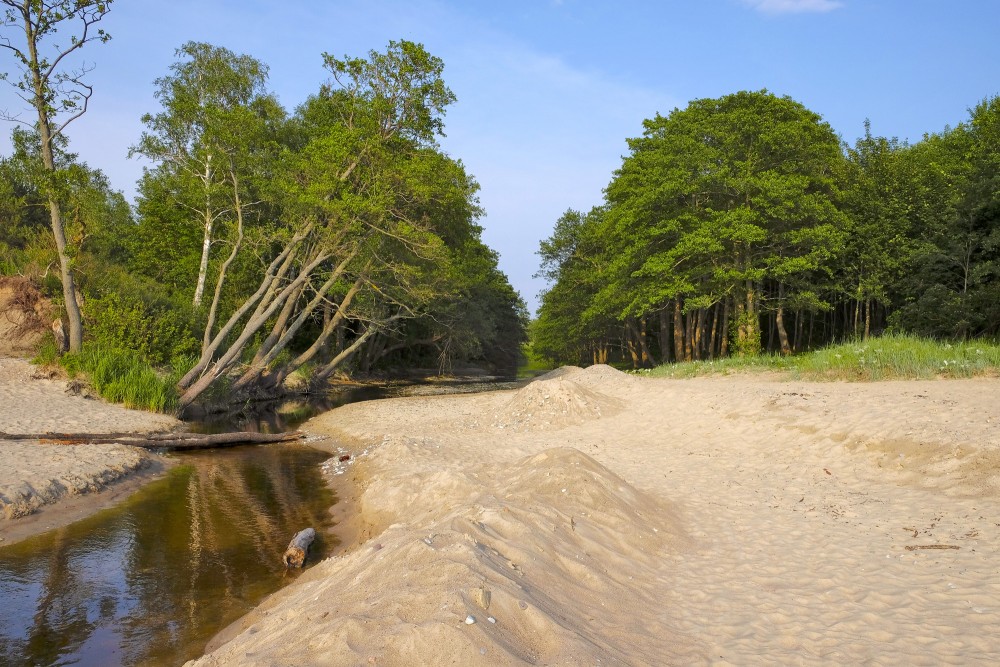
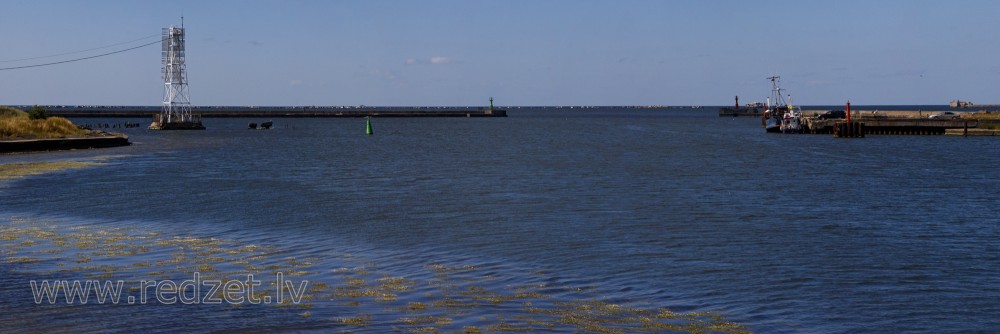
Lake Liepāja (3,715 ha) is a Natura 2000 site and an important bird area. Lake Tosmare covers 405 ha. The Trade Canal and the Karosta Canal cut through the city. Beberliņi is an 8.8 ha artificial water body created by sand extraction, with a swimming area.
Museums
Liepāja Museum is at Kūrmājas prospekts 16/18, in a building designed by Bertschy (1900–1901). Its branches include “Liepāja under Occupation Regimes” (K. Ukstiņa iela 7/9) and the 17th–19th Century Interior Museum (Kungu iela 24). In Karosta, visitors can tour the Karosta Prison museum. The city also has the Liepāja Puppet Art and Design Museum.
Nature
The Lake Liepāja Nature Reserve is an important nesting and migration site for waterbirds. A nature trail and a bird-watching tower lie on the lakeshore. The city also has urban forests, the largest of which is the Karosta Forest.
Monuments and public art
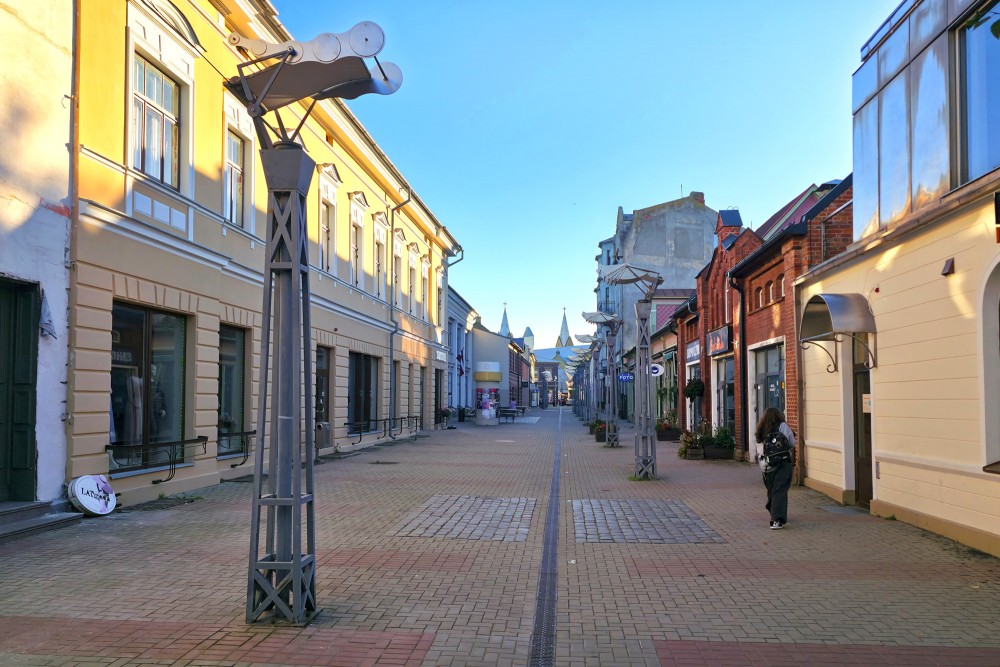
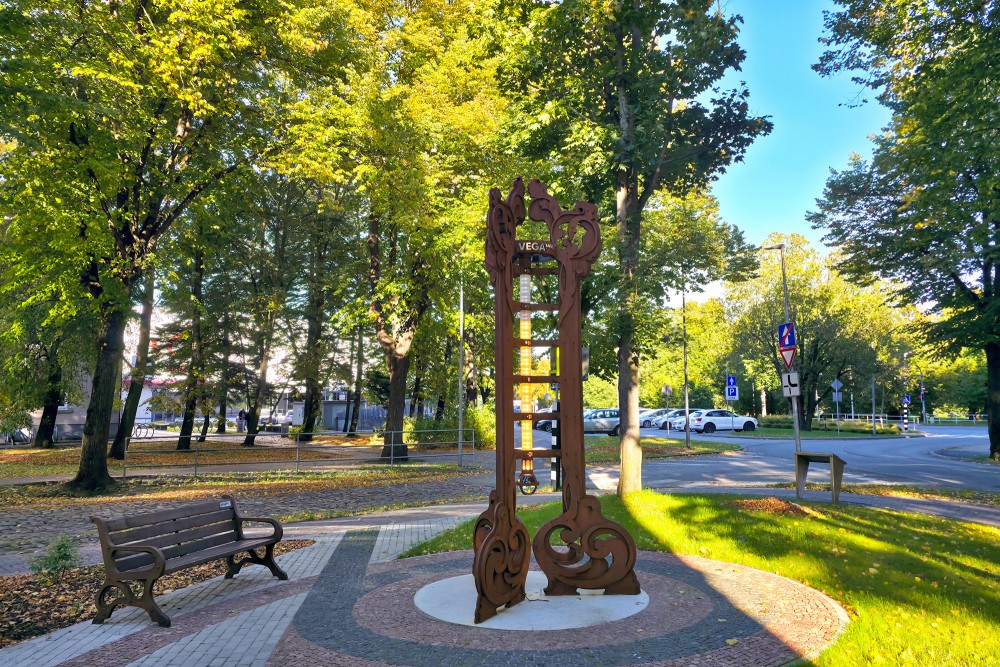
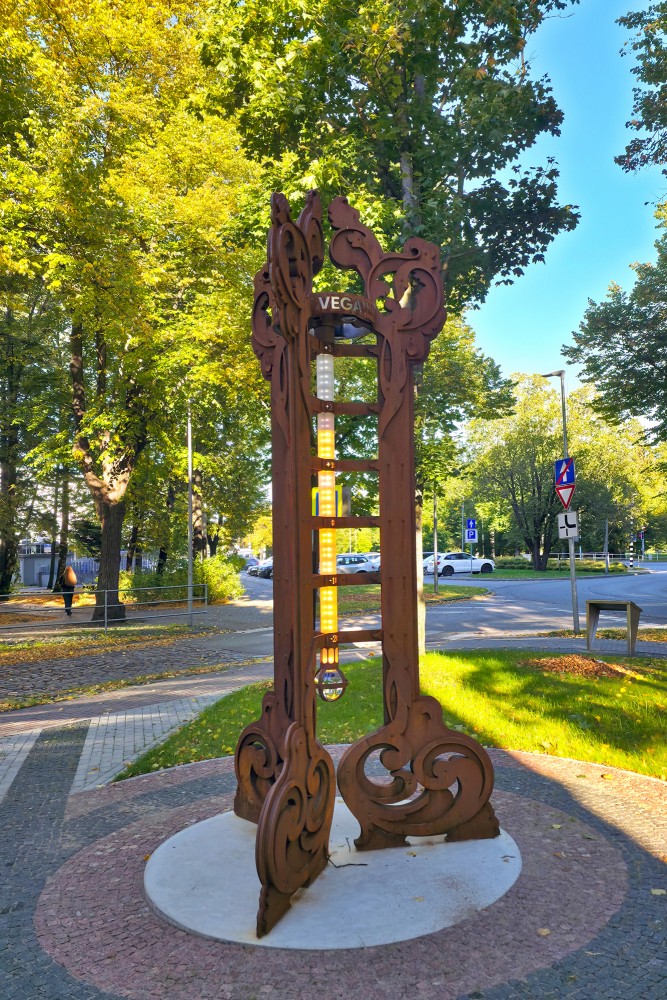
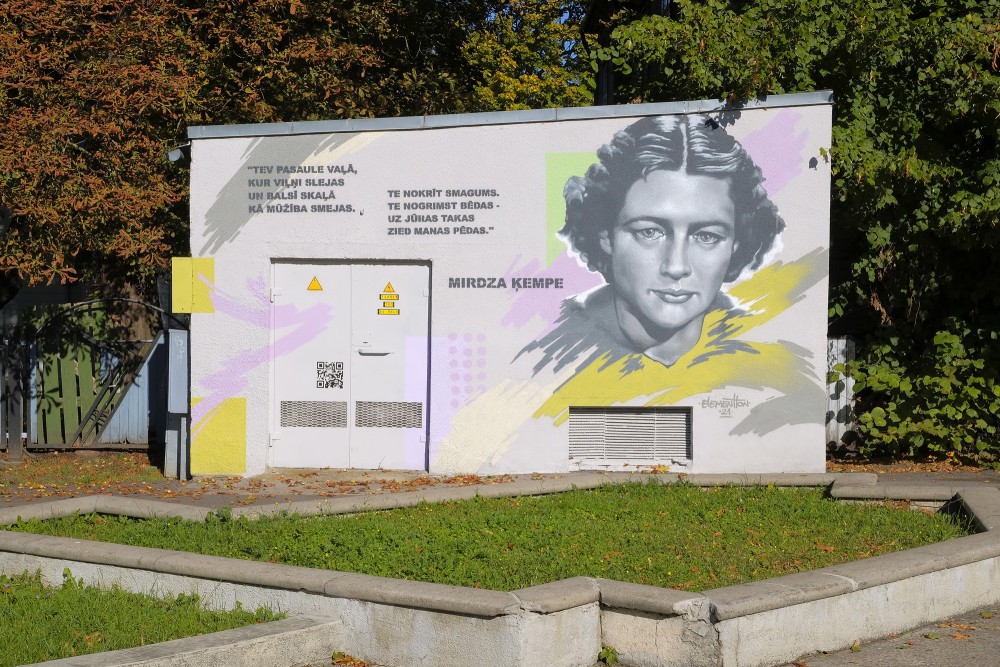
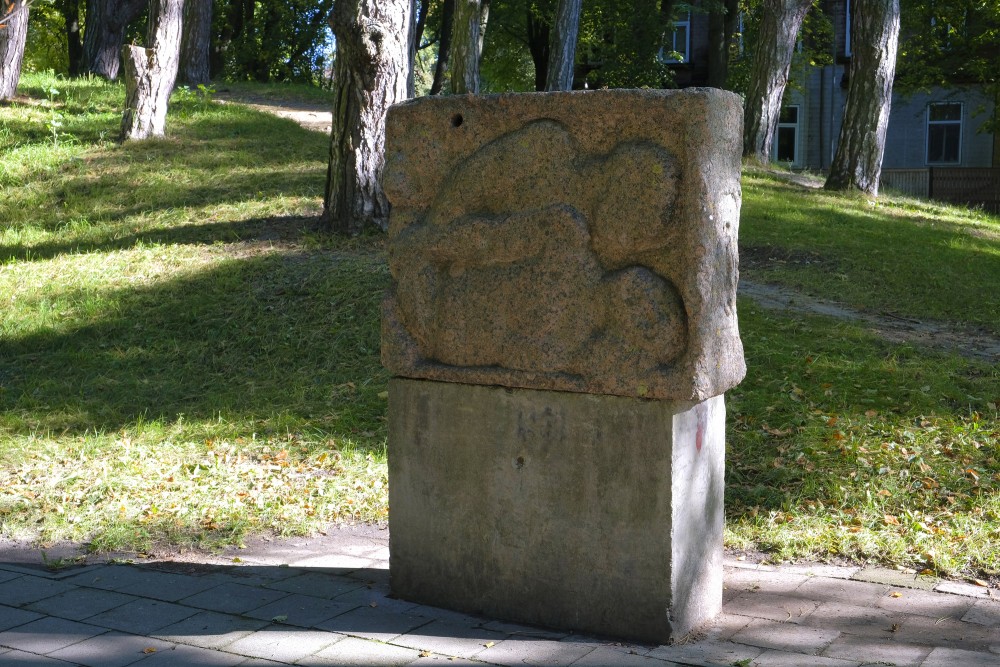
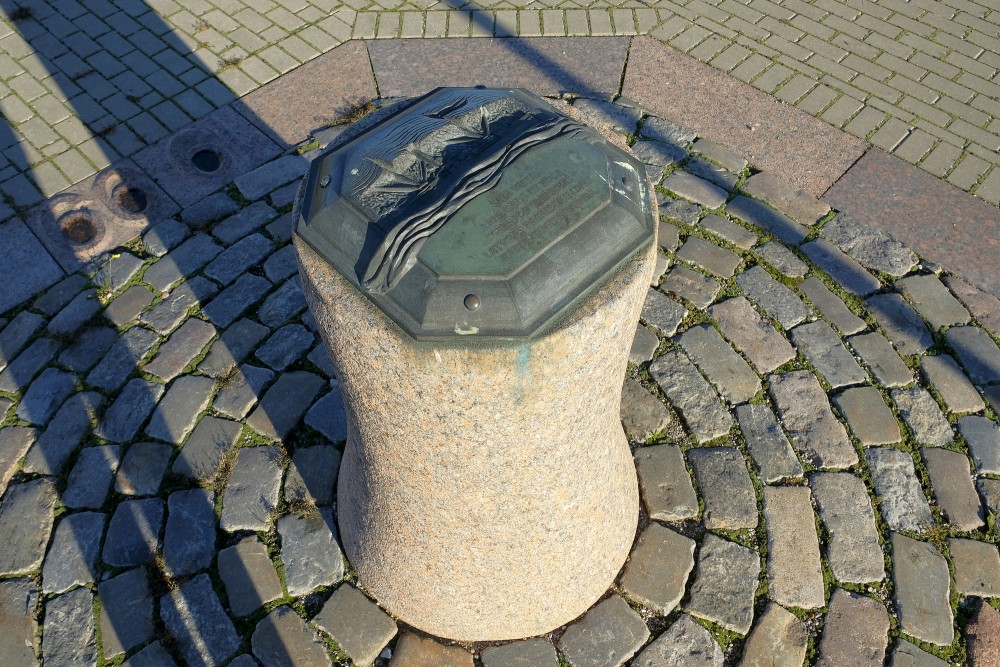
Seaside Park has a monument to sailors and fishermen lost at sea, and a monument to the poet Mirdza Ķempe. Near “Pūt, vējiņi!” stands the “Ghost Tree” art object, and large “Liepāja” letters mark the beach. Sculptures illustrating the city’s anthem line Kūrmājas prospekts. A monument to sculptor Kārlis Zāle stands on K. Zāles laukums.
For children
Seaside Park has a playground, a skatepark and a mini-golf course. Liepāja Museum offers programmes for families with children. In summer, children can swim in the sea or at Beberliņi.
Interesting facts
- On 18 October 1967, Liepāja recorded the strongest wind gust in Latvian history: 48 m/s.
- Liepāja’s local dish is Liepājas menciņi: smoked cod baked with potatoes, onions and dill in cream.
- The city decided to build a concert hall as early as 1896, but Great Amber opened only in 2015.