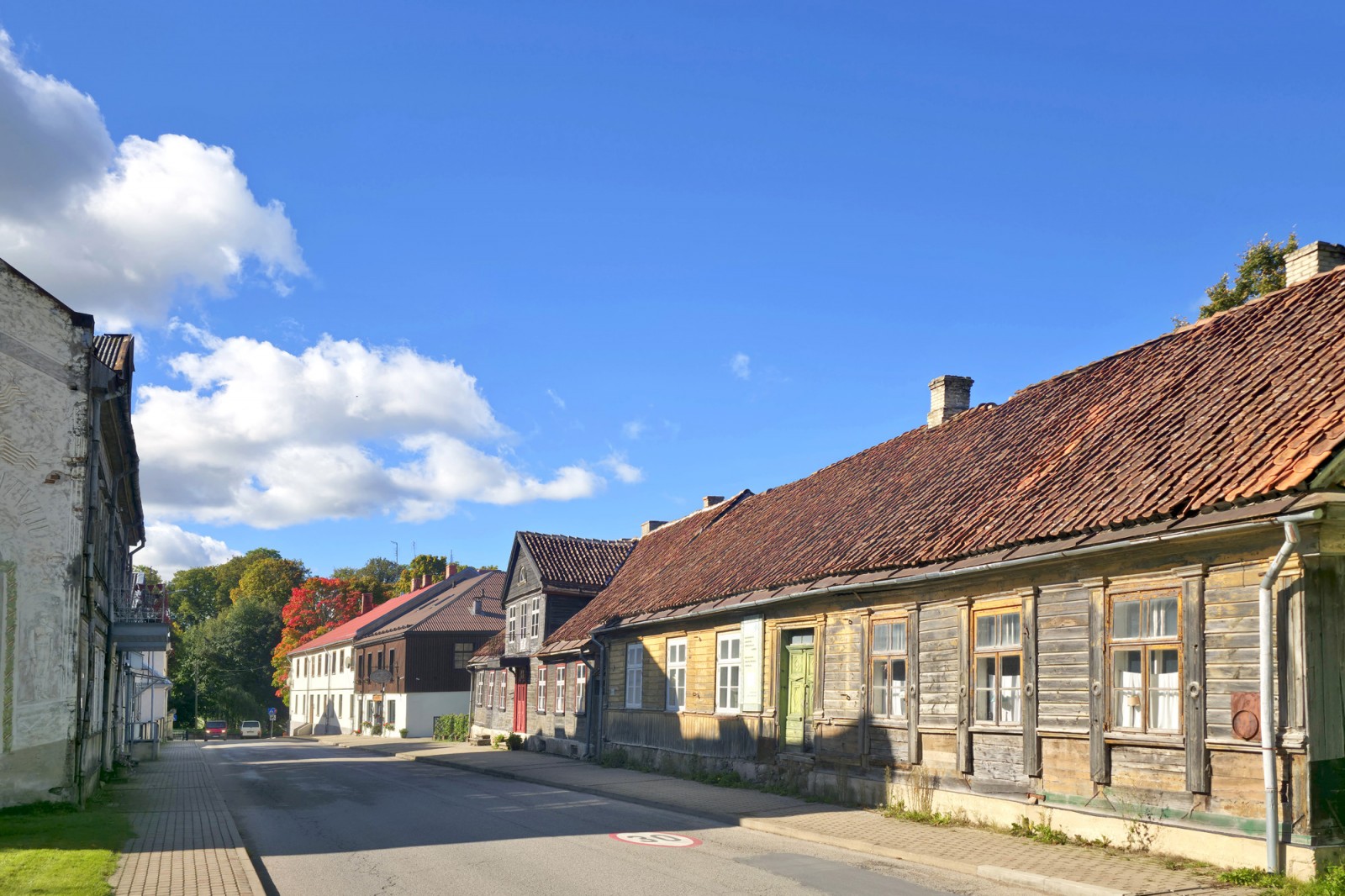
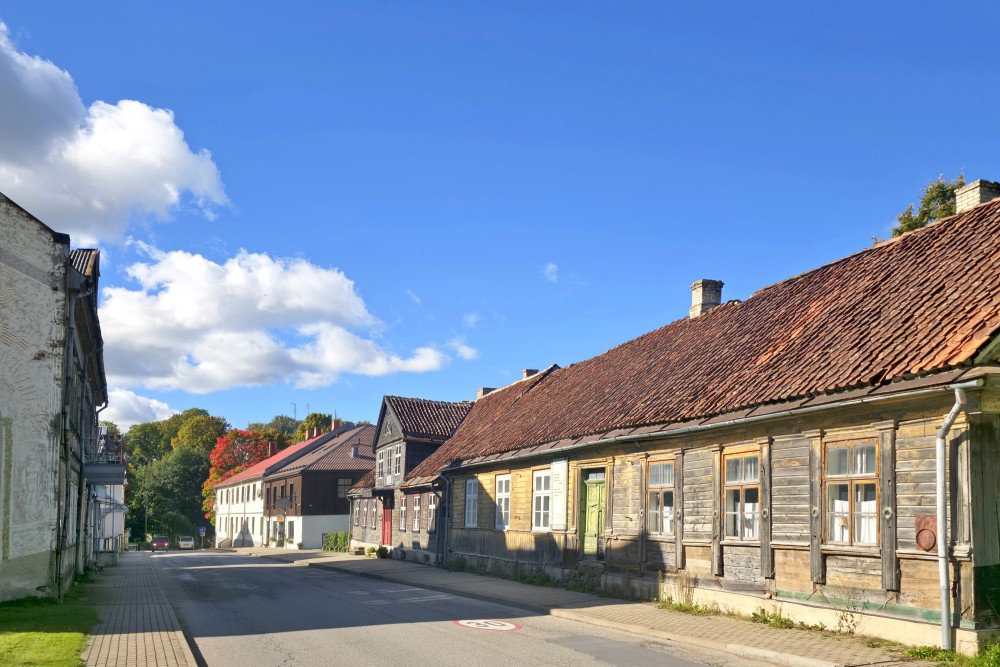
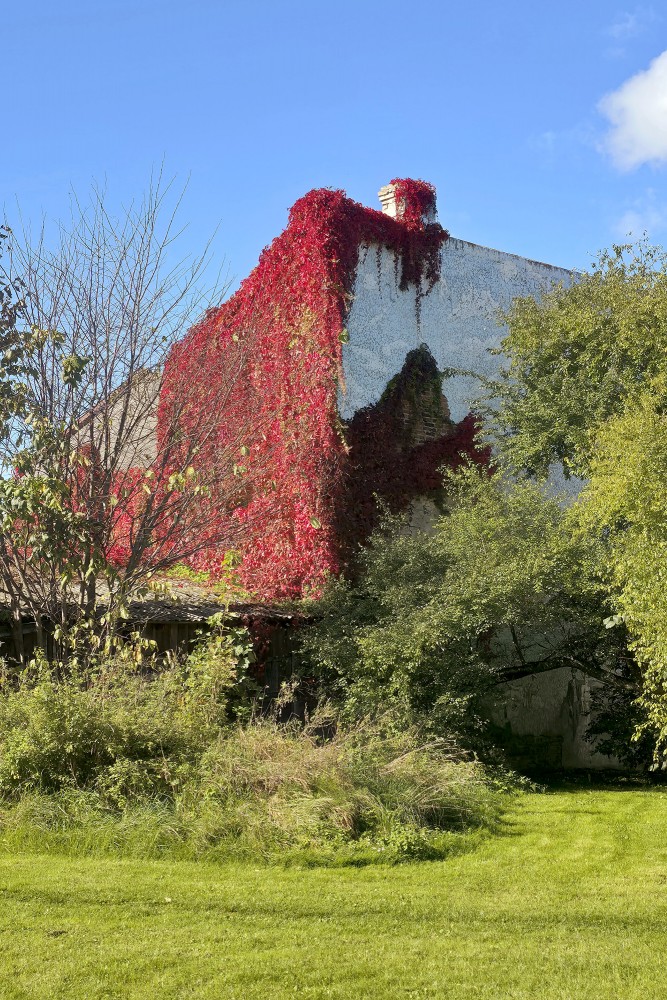
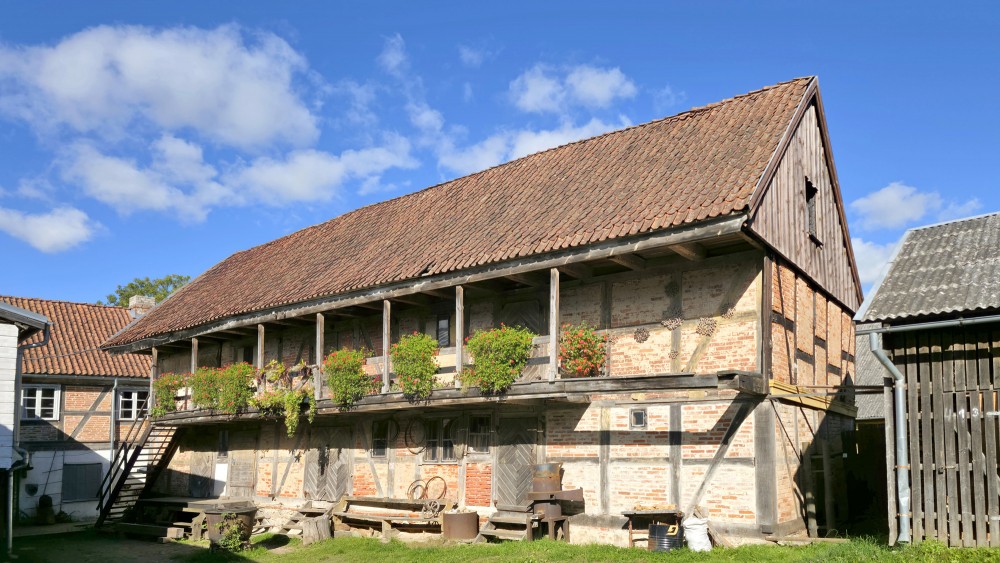
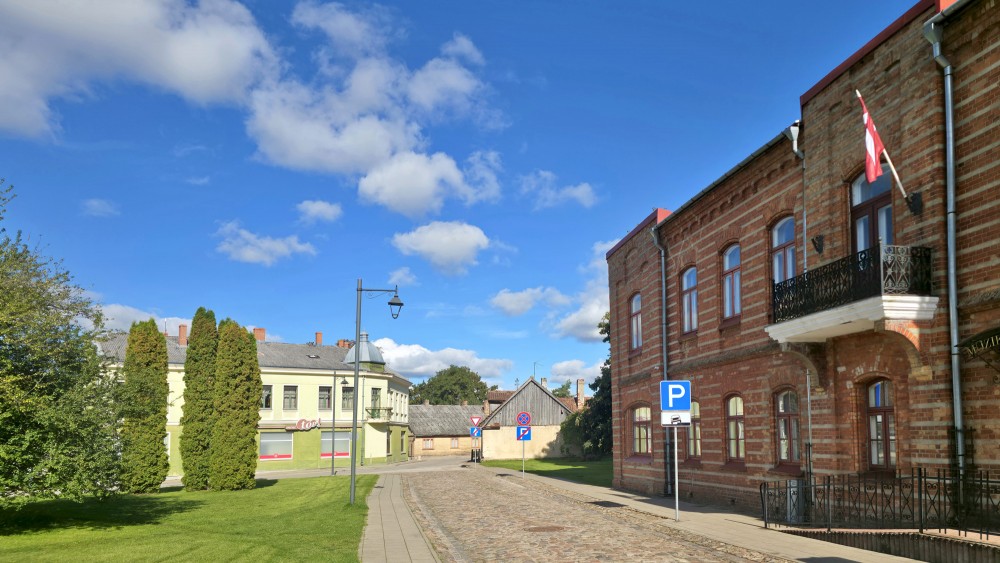
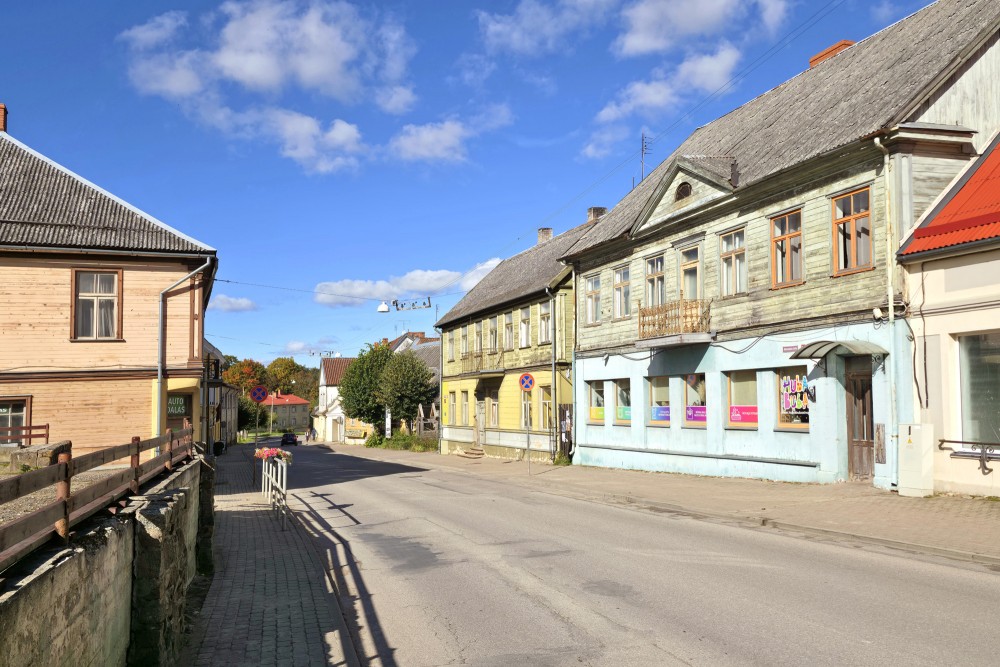
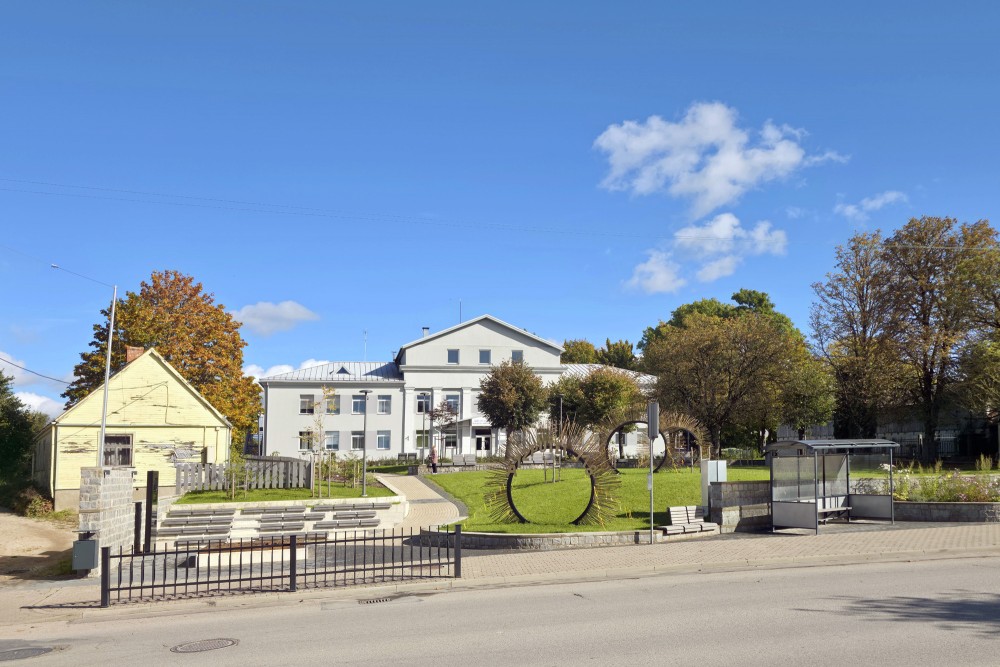

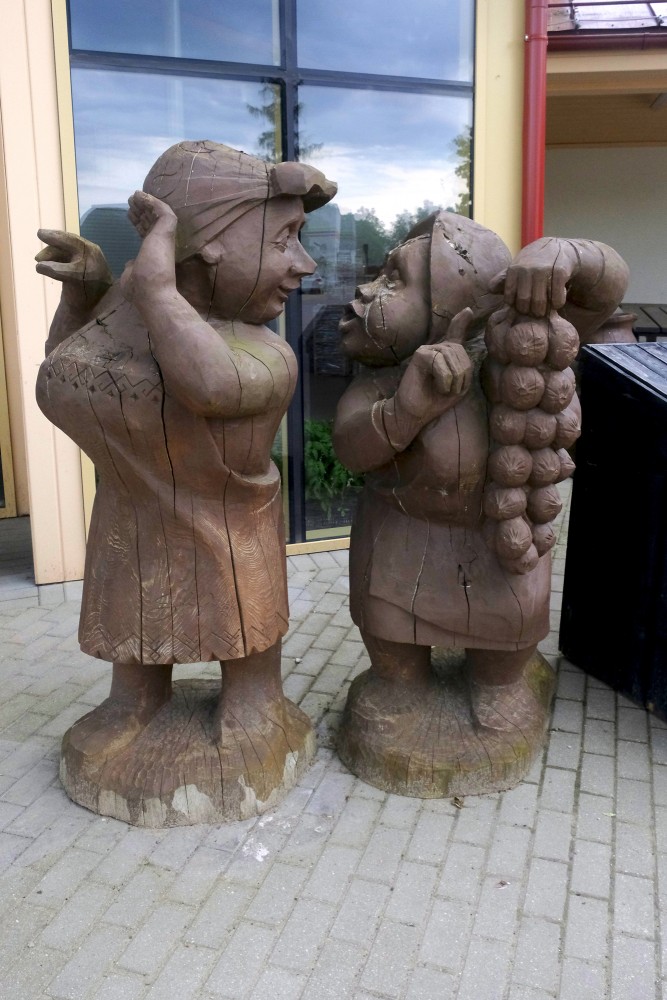







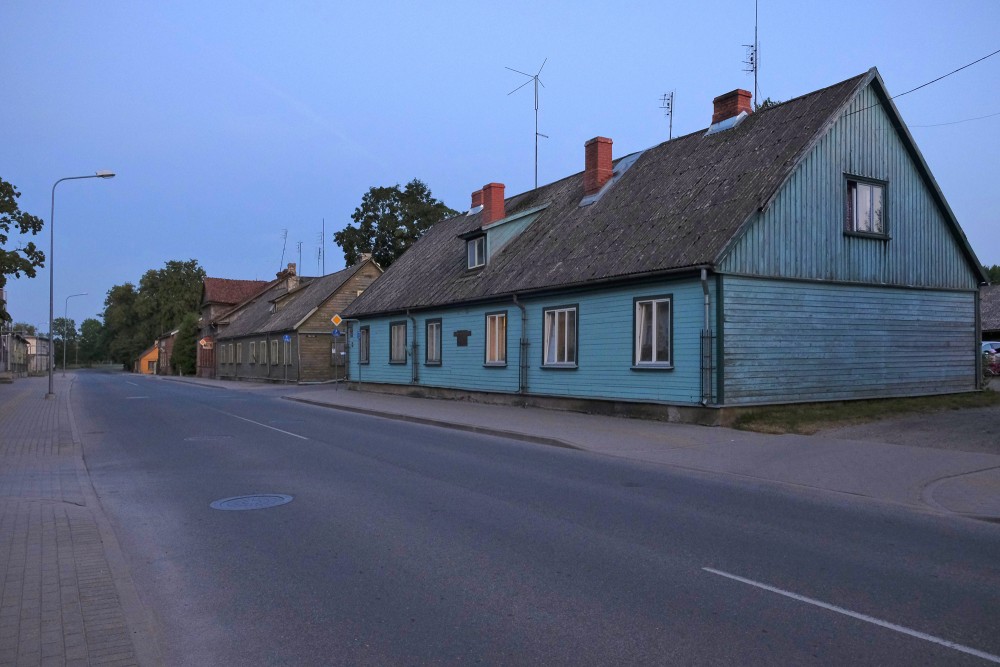
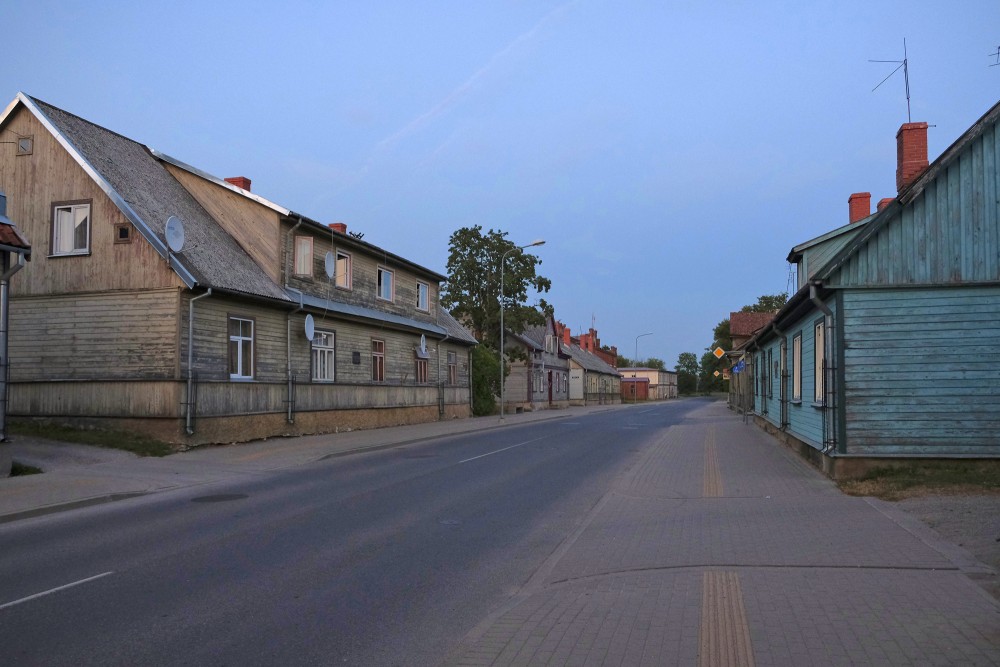

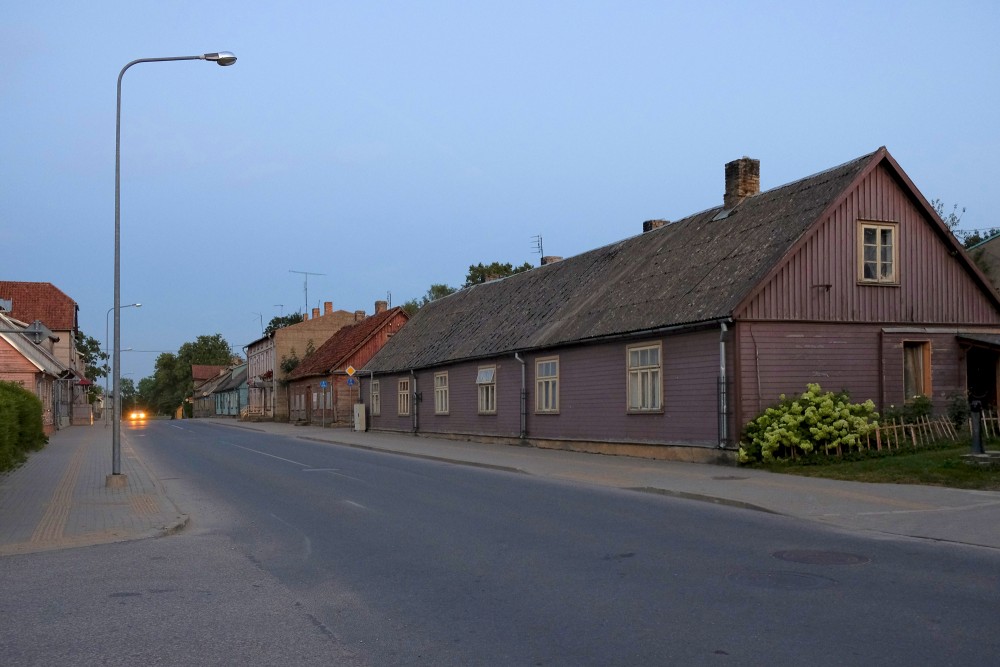
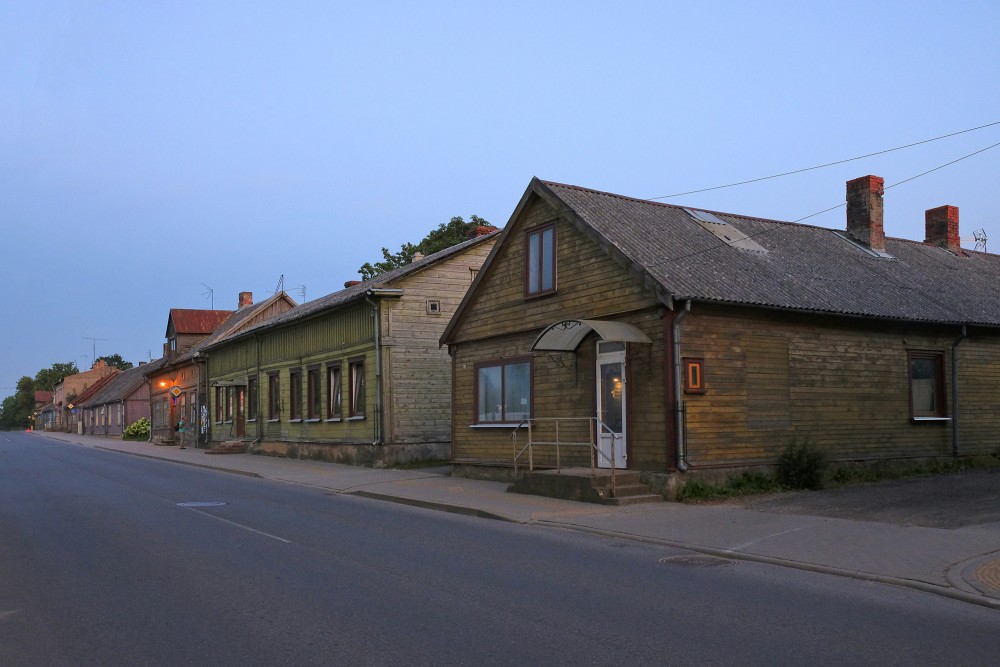

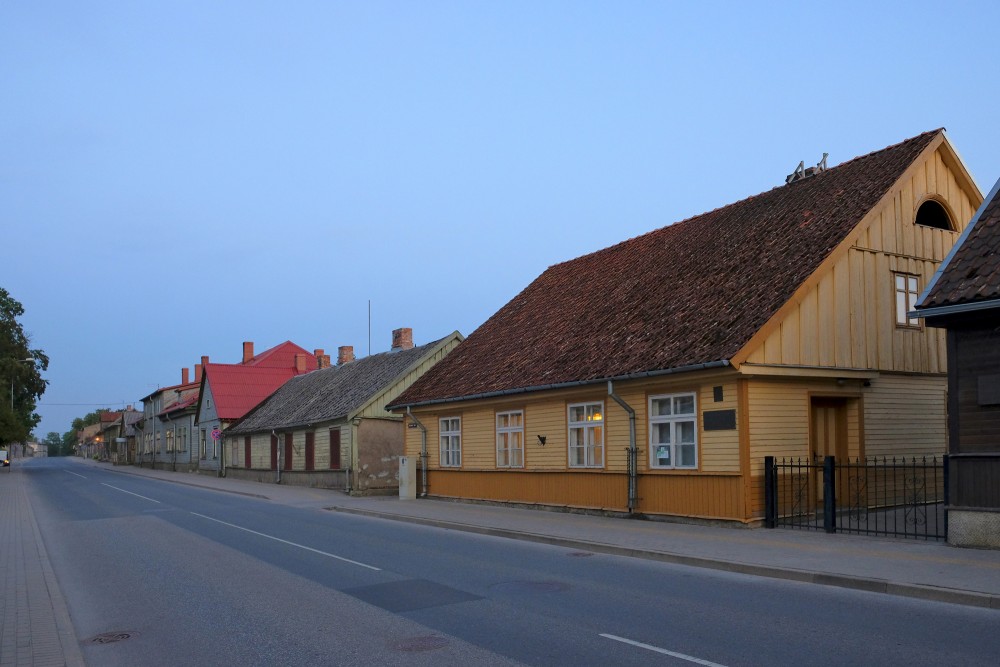

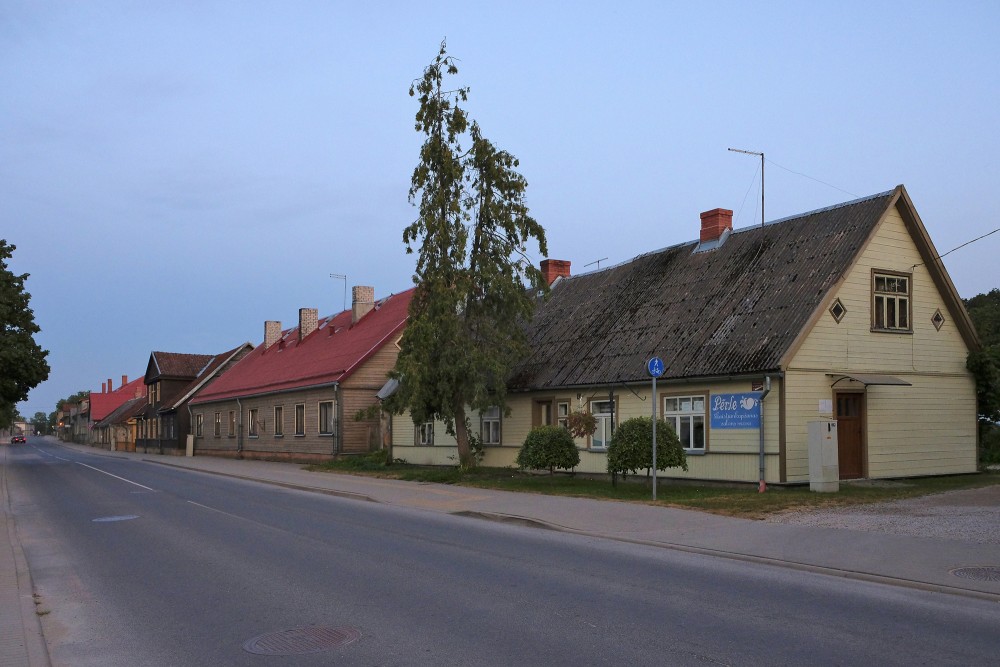
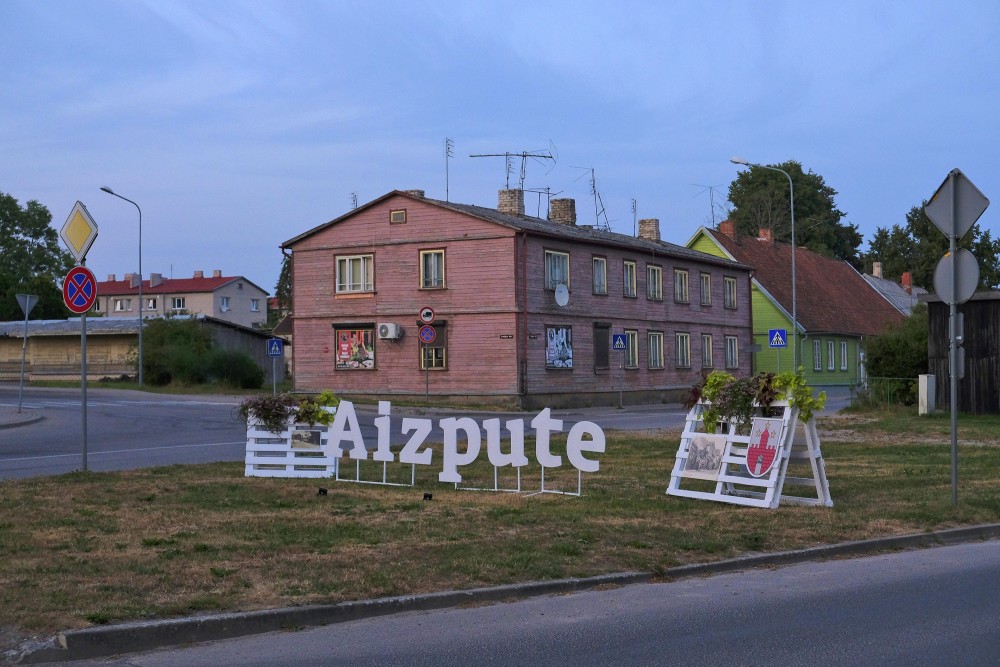
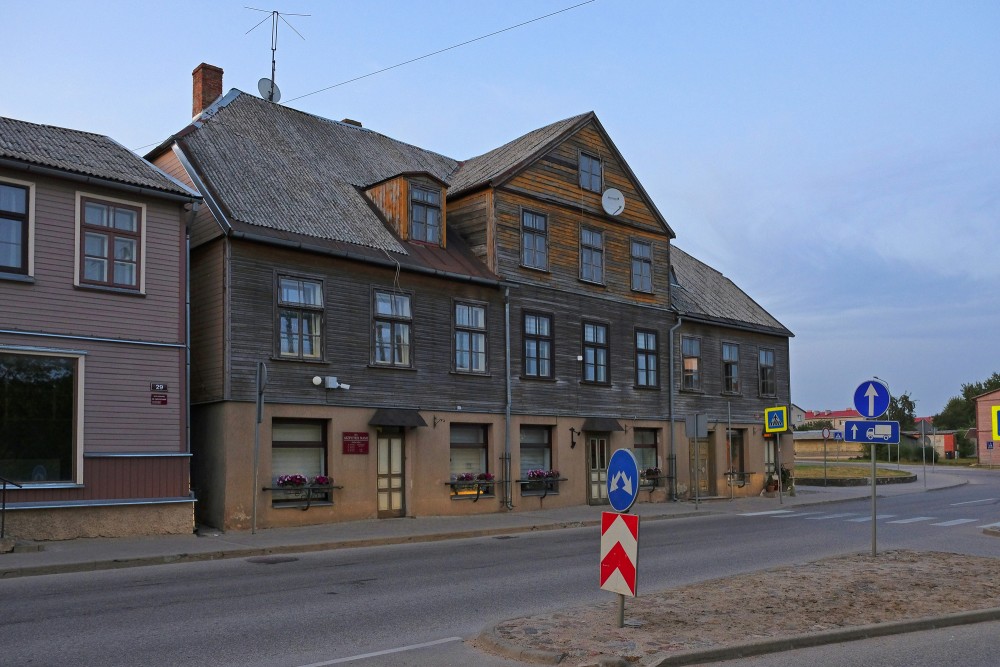
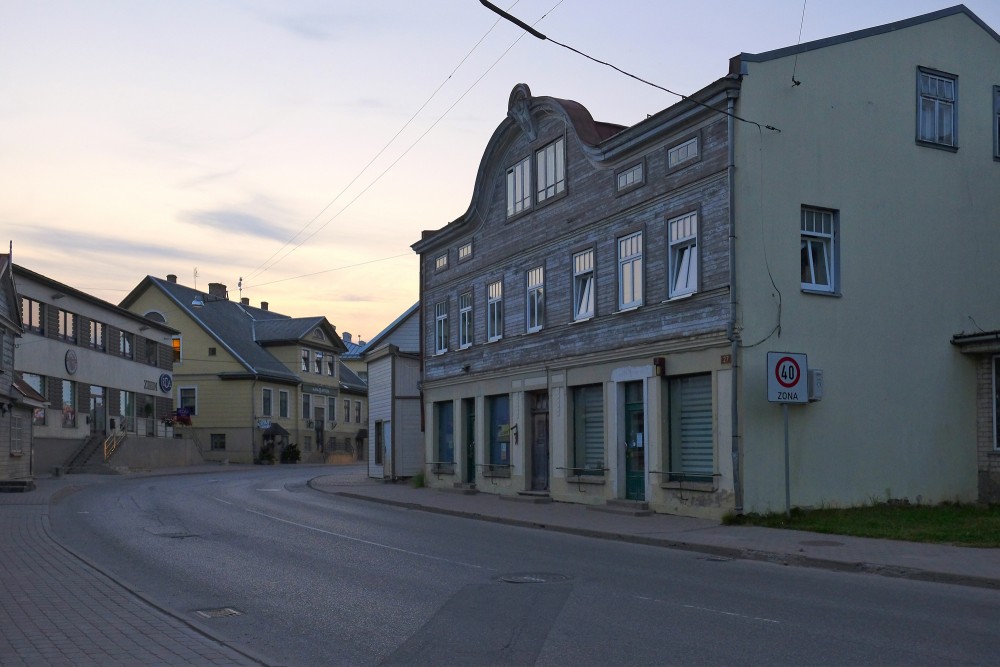
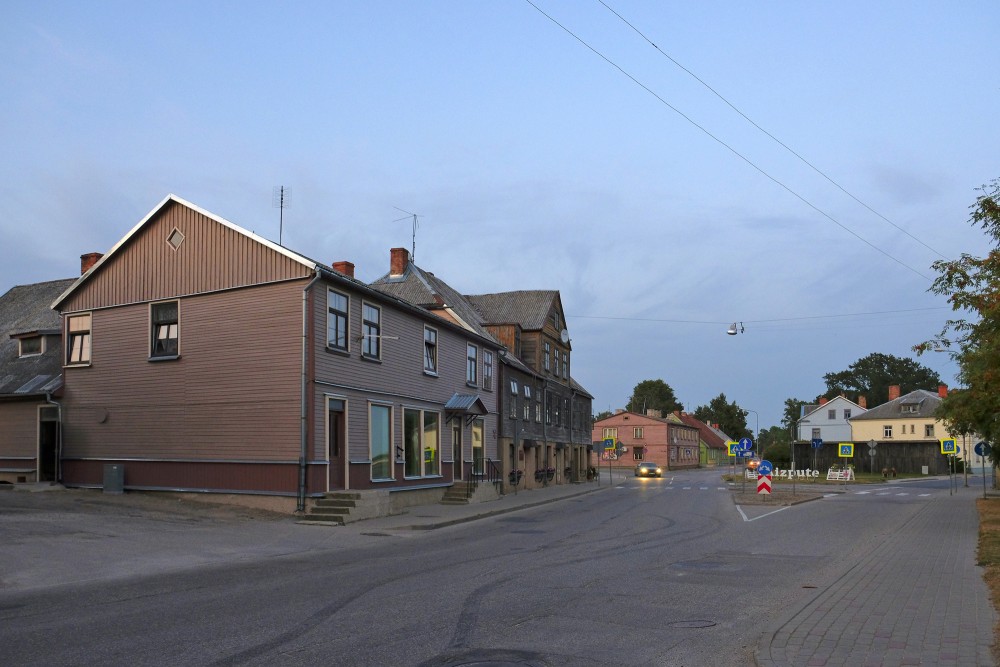
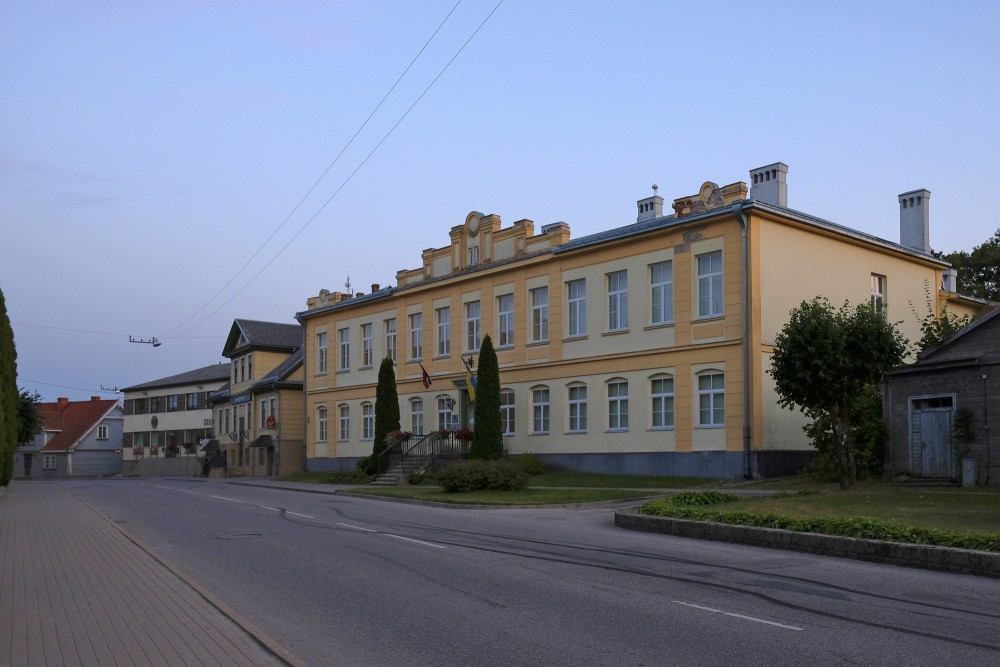
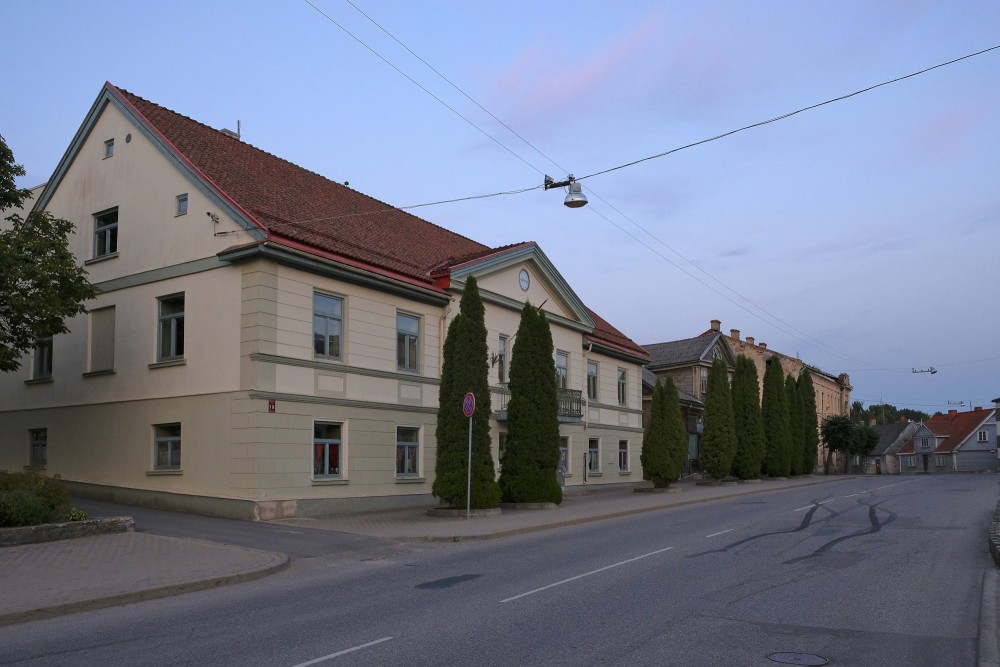
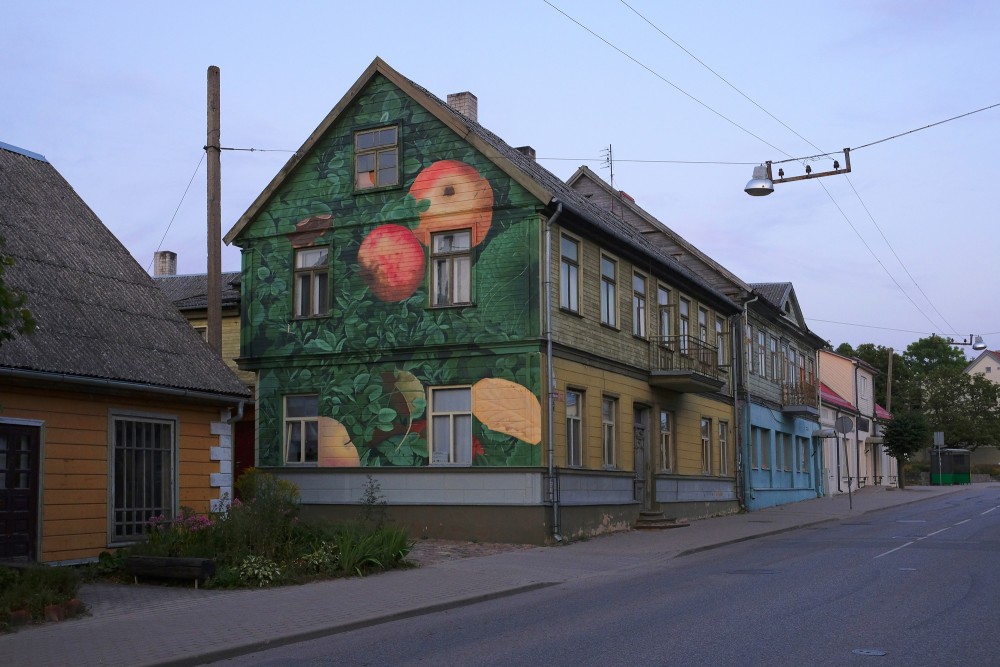
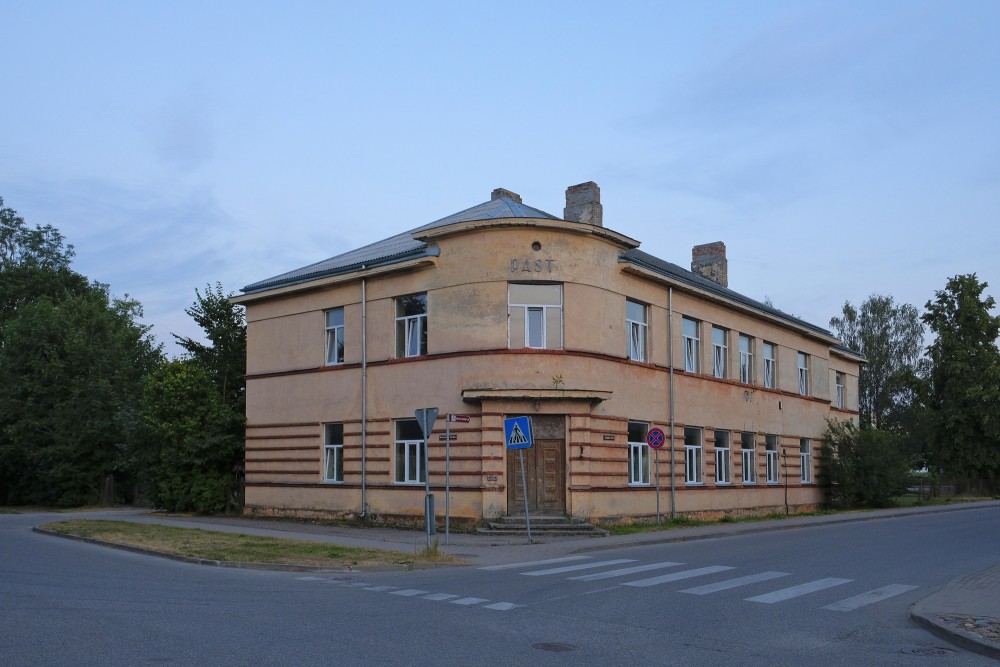
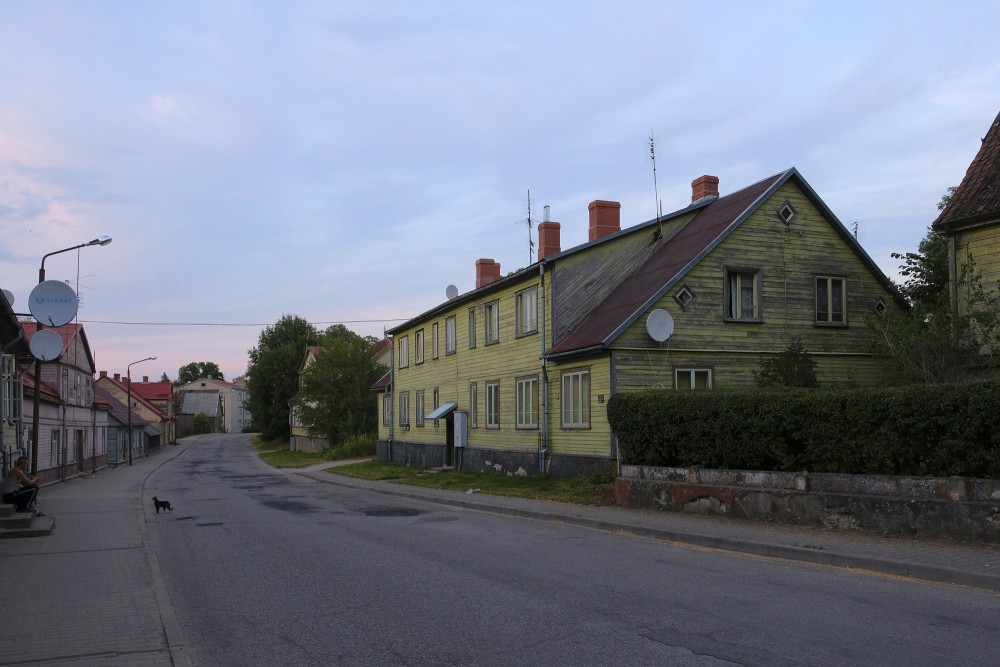
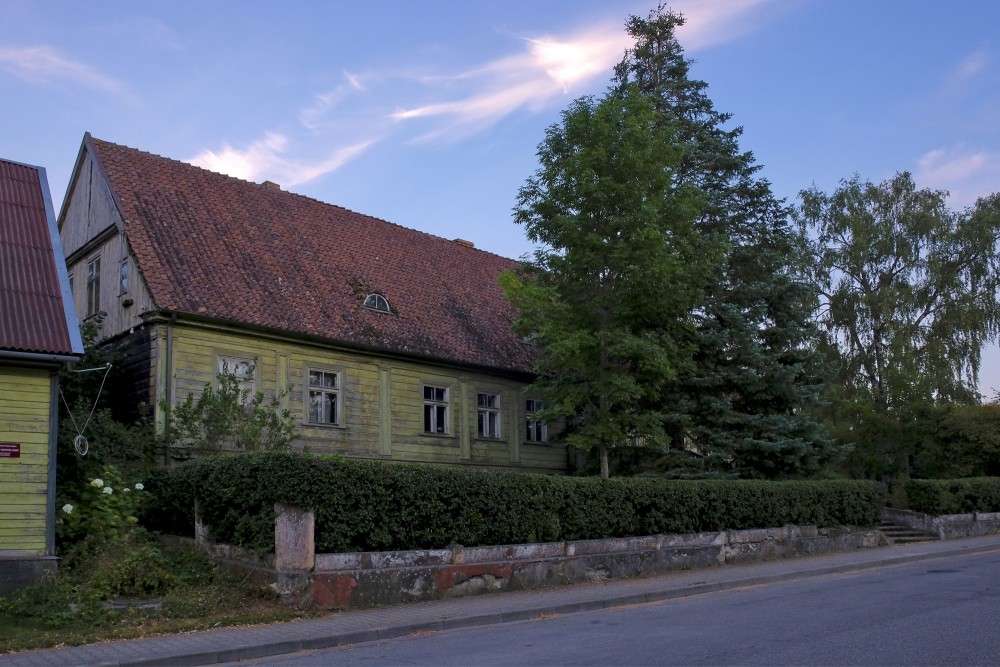
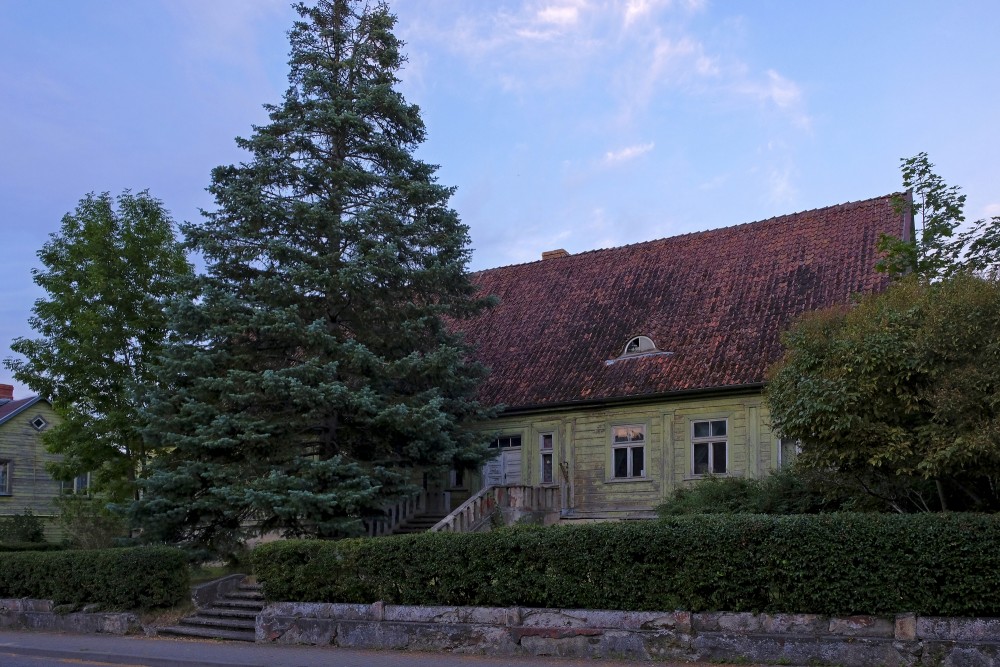

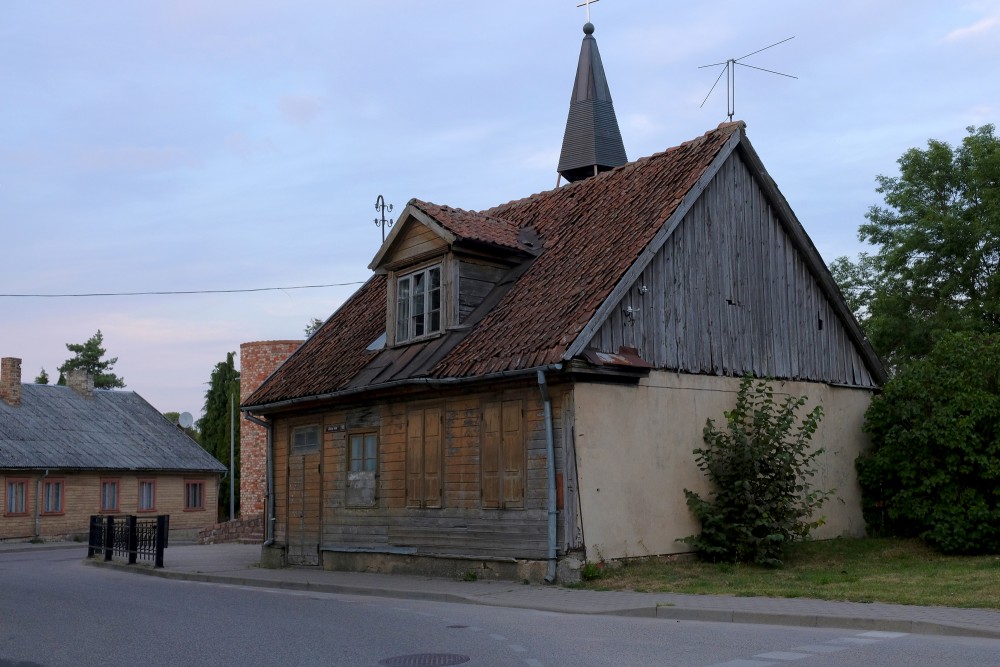


























Aizpute is one of Latvia’s oldest towns, located on the banks of the Tebra River on the western edge of the Western Kurzeme Upland. The town is known for its well-preserved historic low-rise buildings, Livonian Order castle ruins, old wooden houses, church, watermill and Misiņkalns Nature Park. Aizpute is well suited to travellers interested in history, architecture, nature and unhurried walks.
History
Aizpute’s history dates back to the 13th century. The oldest part of the town developed near the Tebra River. In the Middle Ages, both the Courland Bishopric and the Livonian Order had important centres here. In the 13th century, a cathedral chapter castle of the Courland Bishopric was built, while a Livonian Order castle was later established on the left bank of the Tebra. At that time, the Tebra was navigable, and a port near its mouth at the Saka River supported trade and crafts.
Aizpute received town rights in 1378. After the collapse of the Livonian Confederation in the 16th century, the town became the administrative centre of the Piltene District. Later, Aizpute served as the centre of Aizpute District and developed as a typical small-town centre of craftsmen and small merchants.
Old Town and Architecture
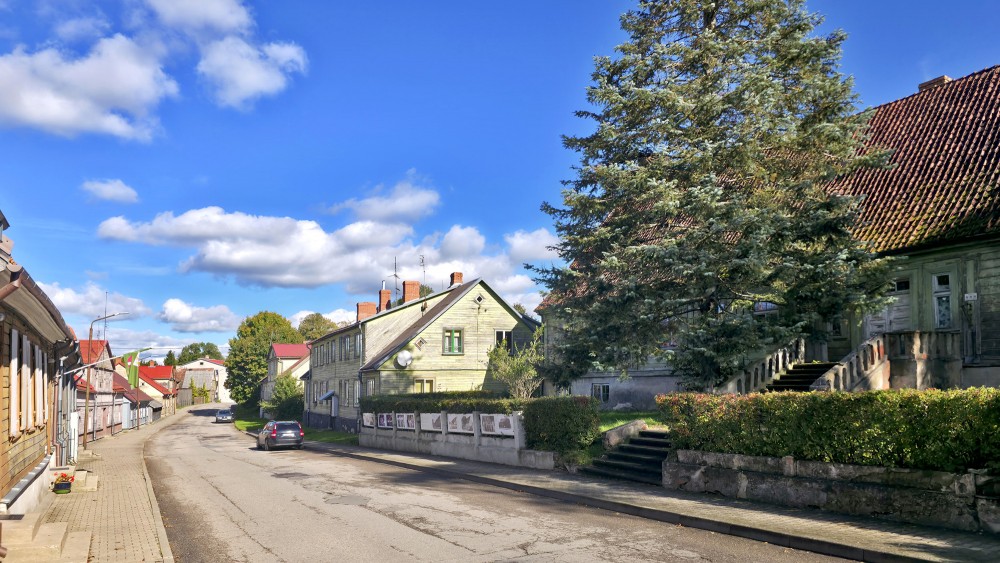
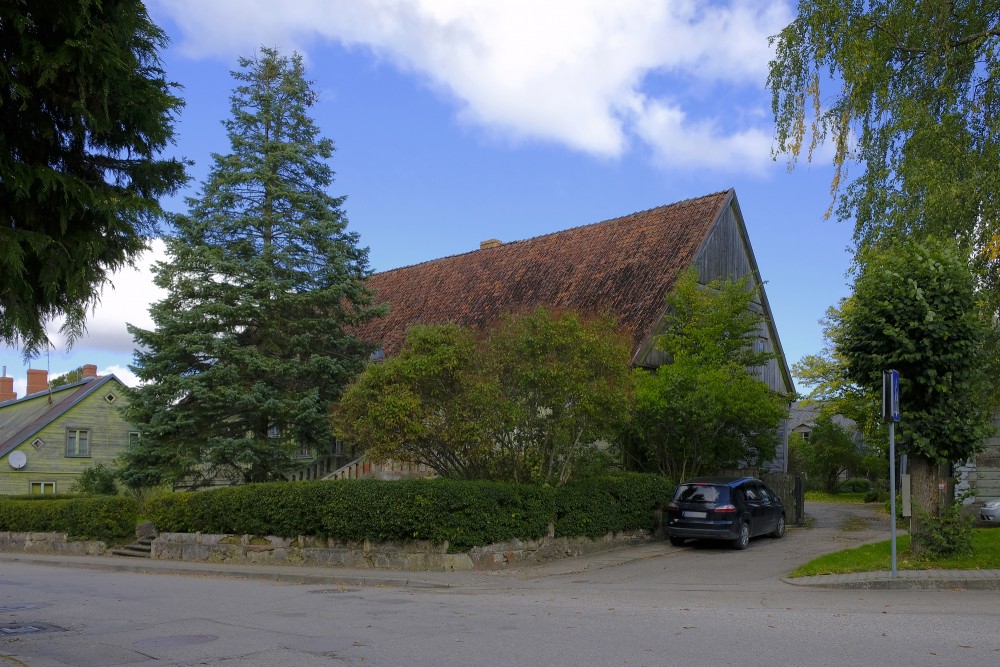
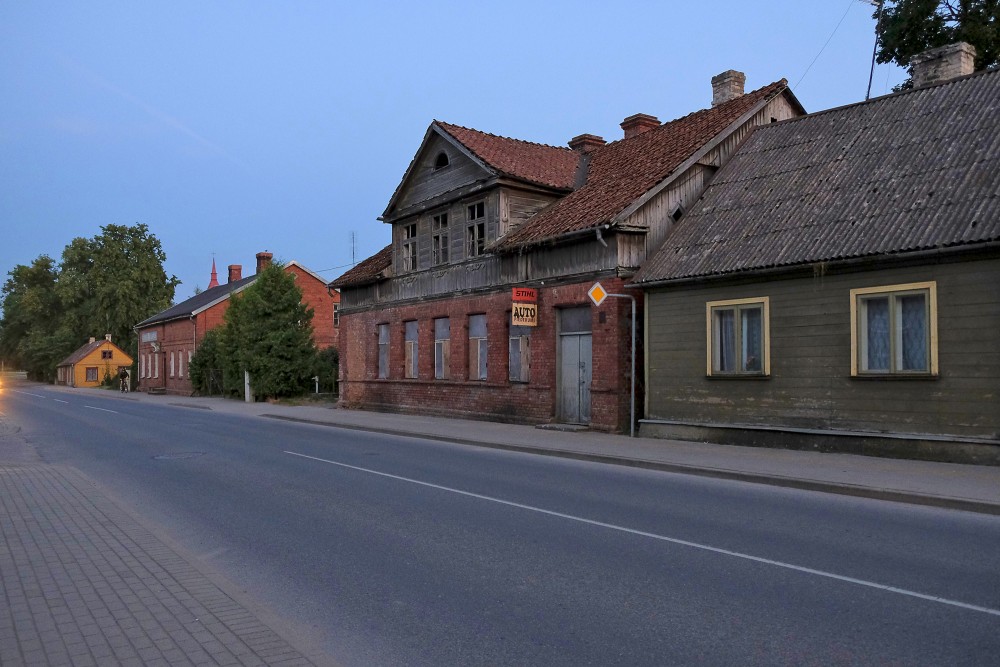
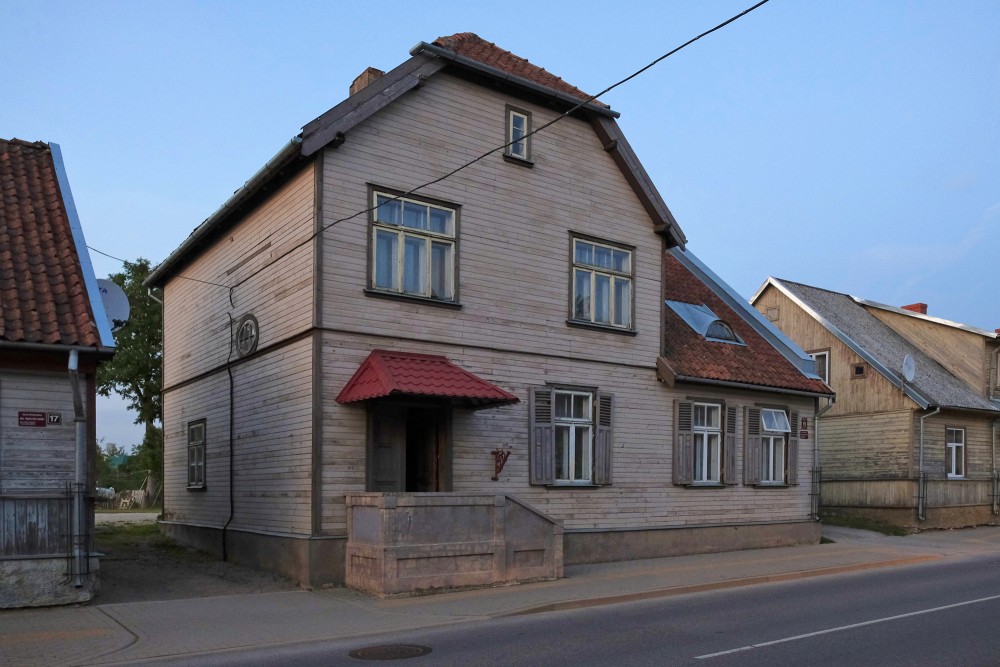
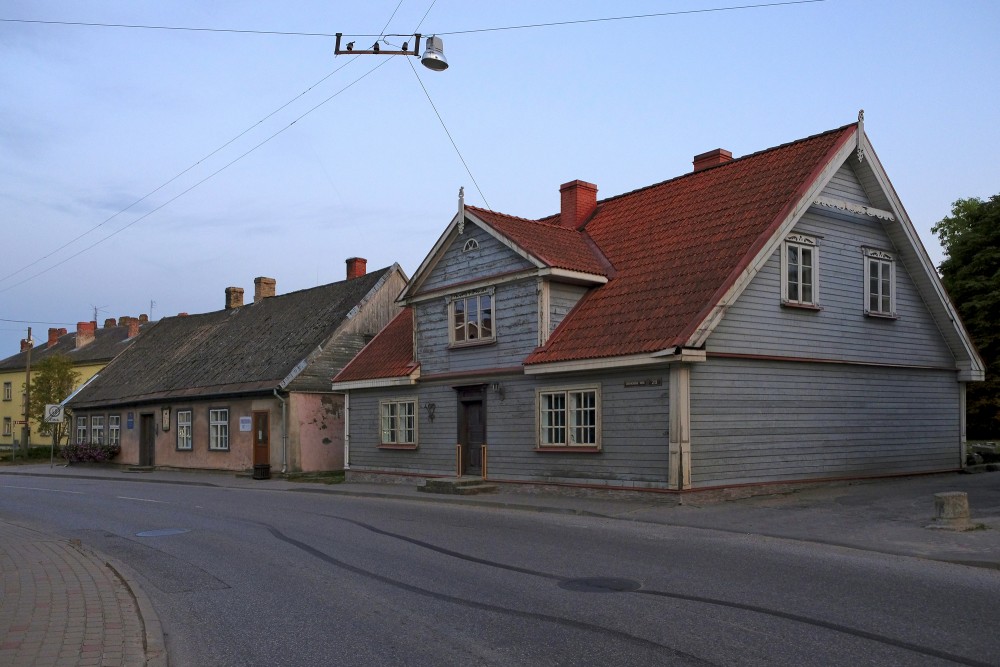
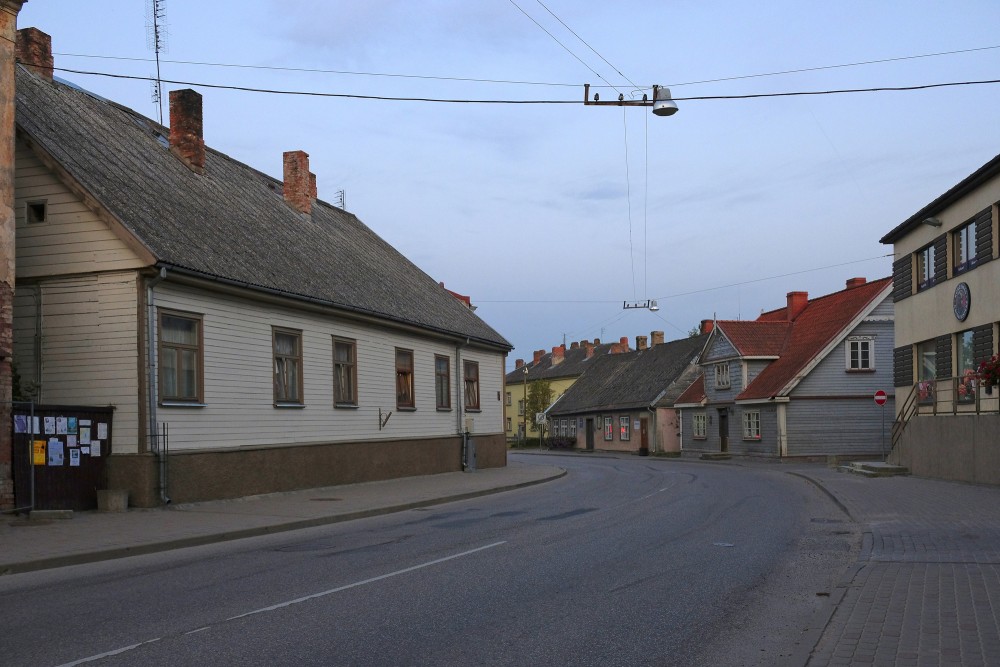
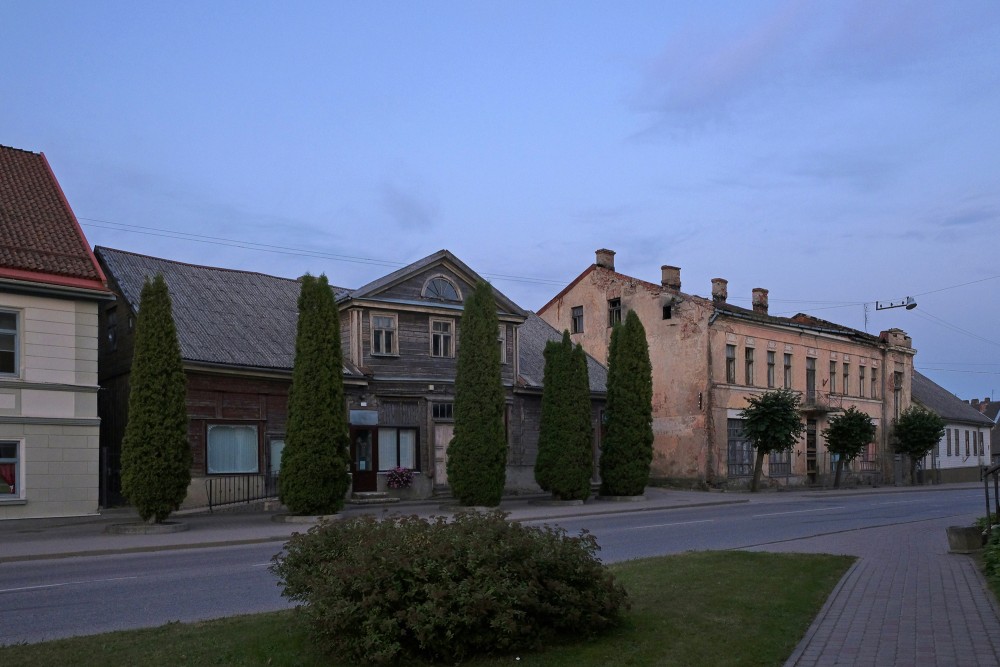
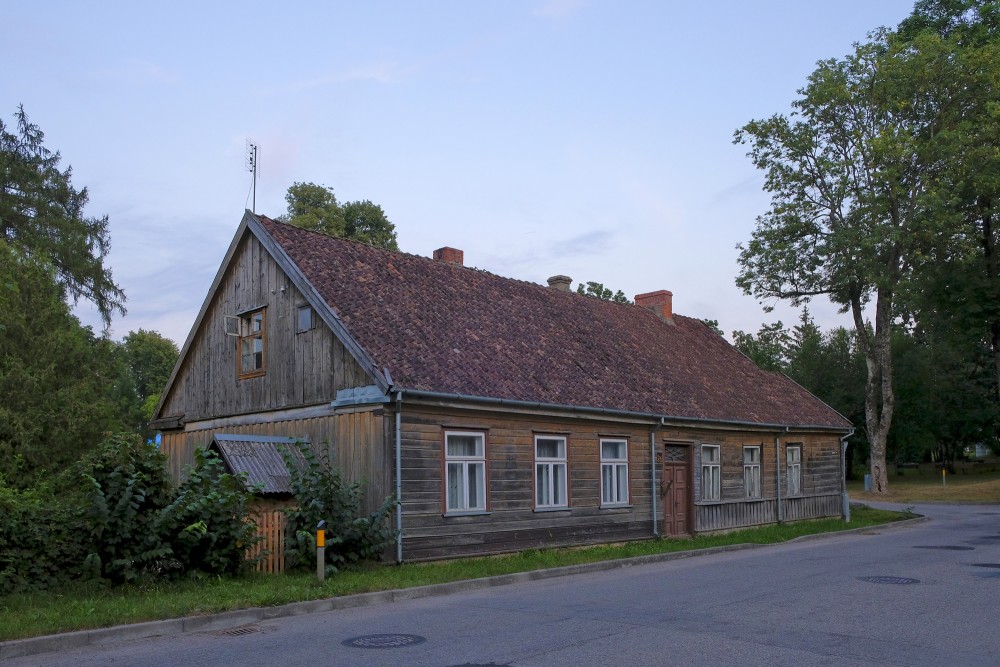
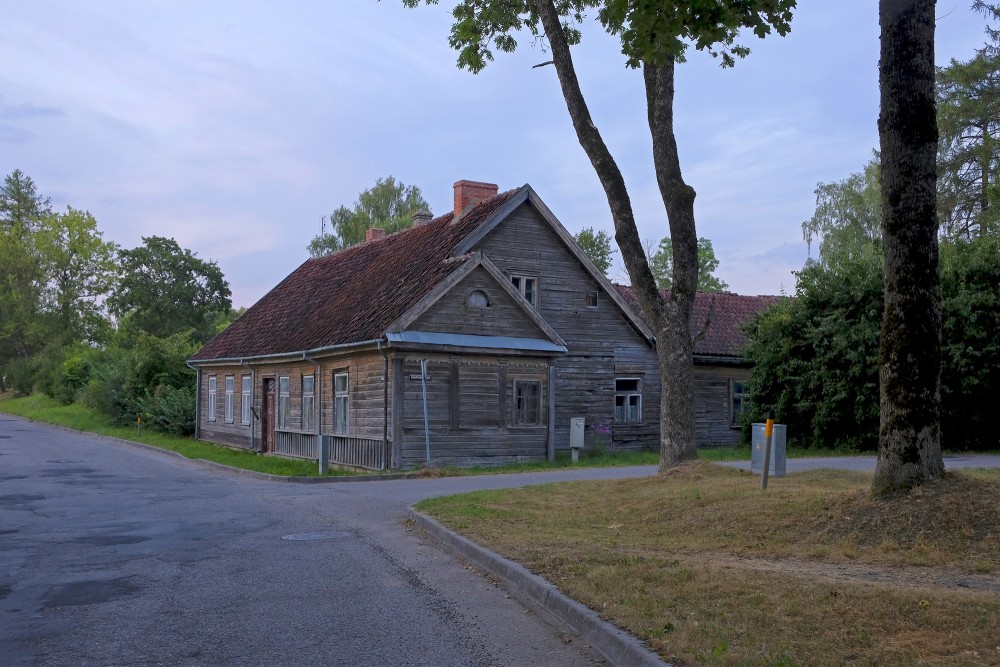
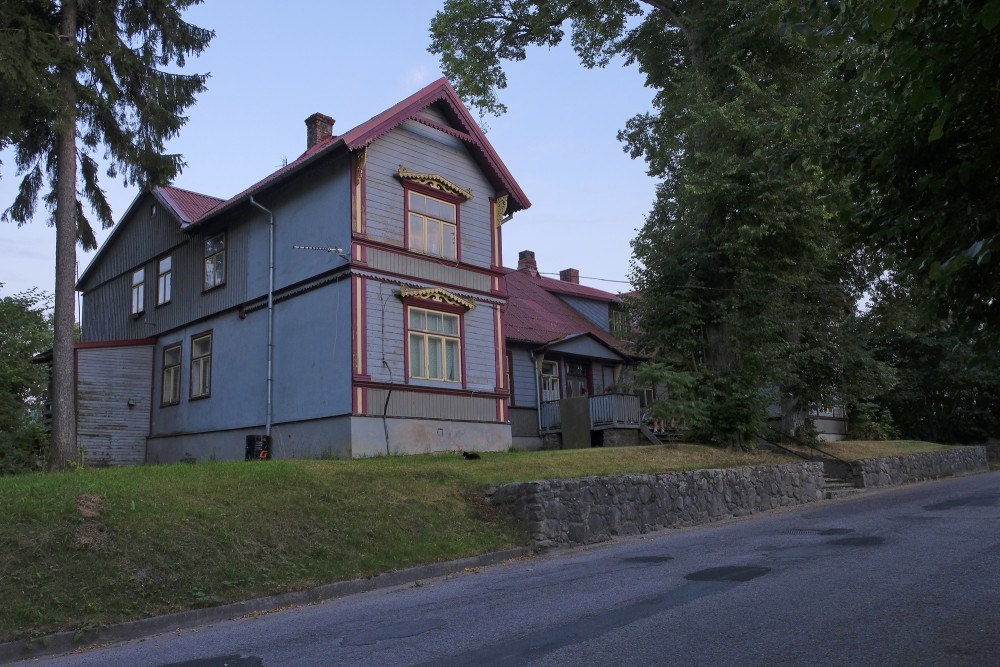
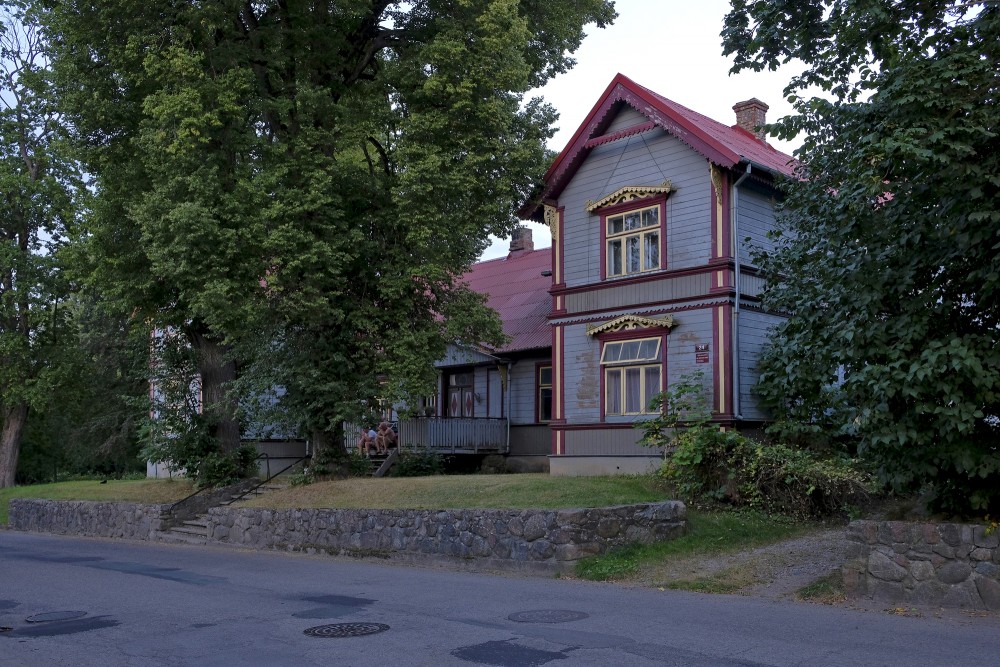
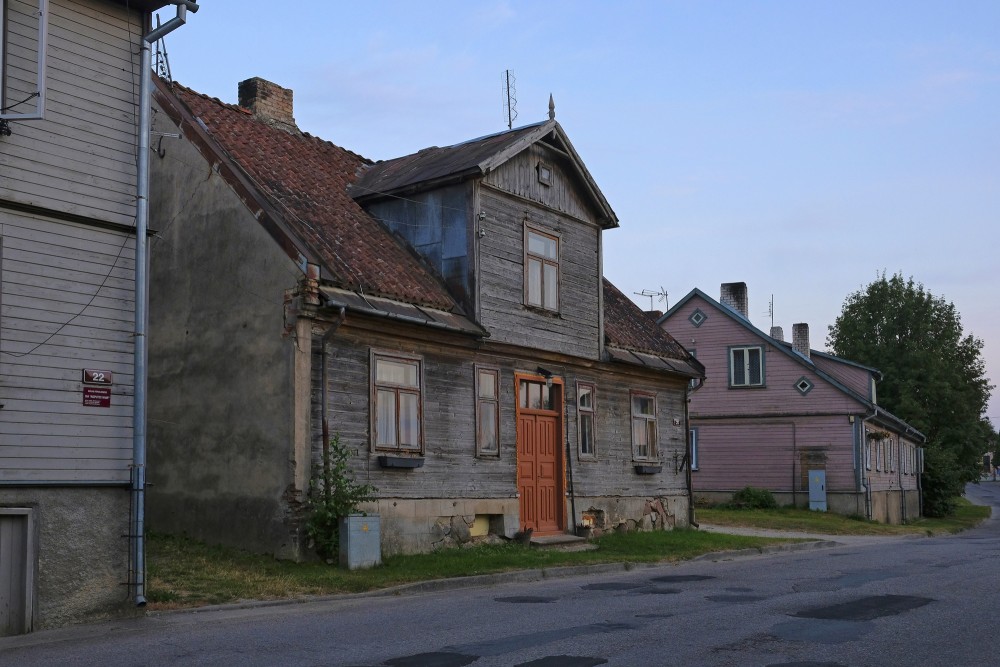
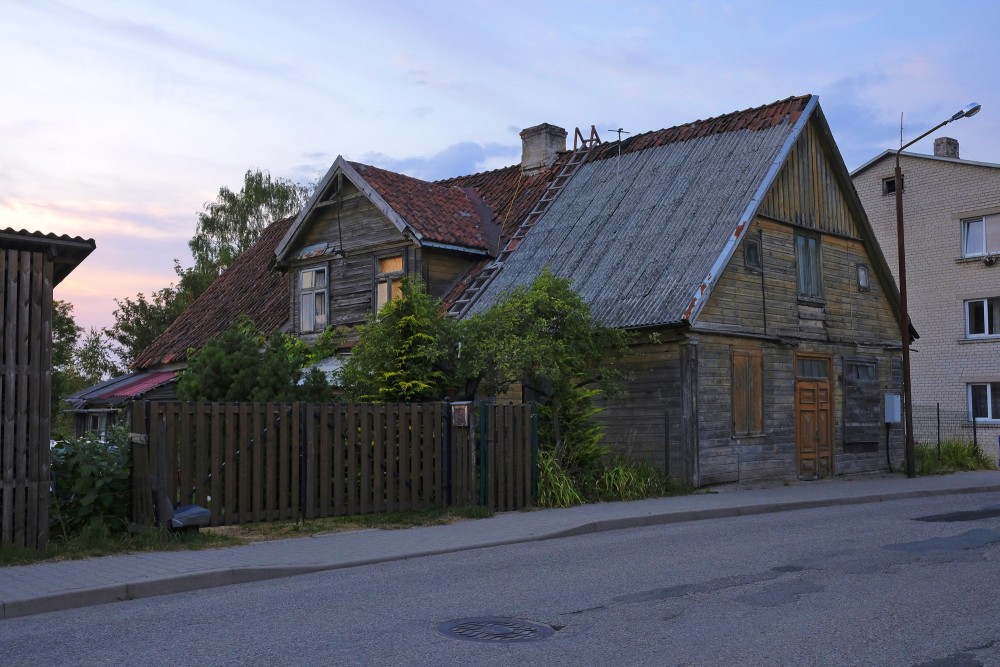
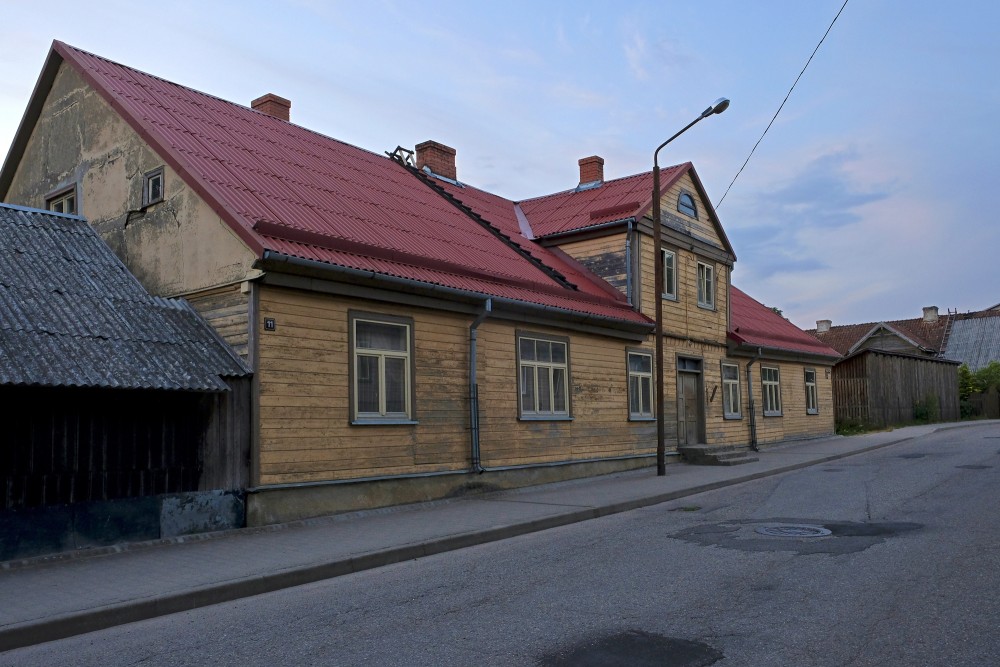
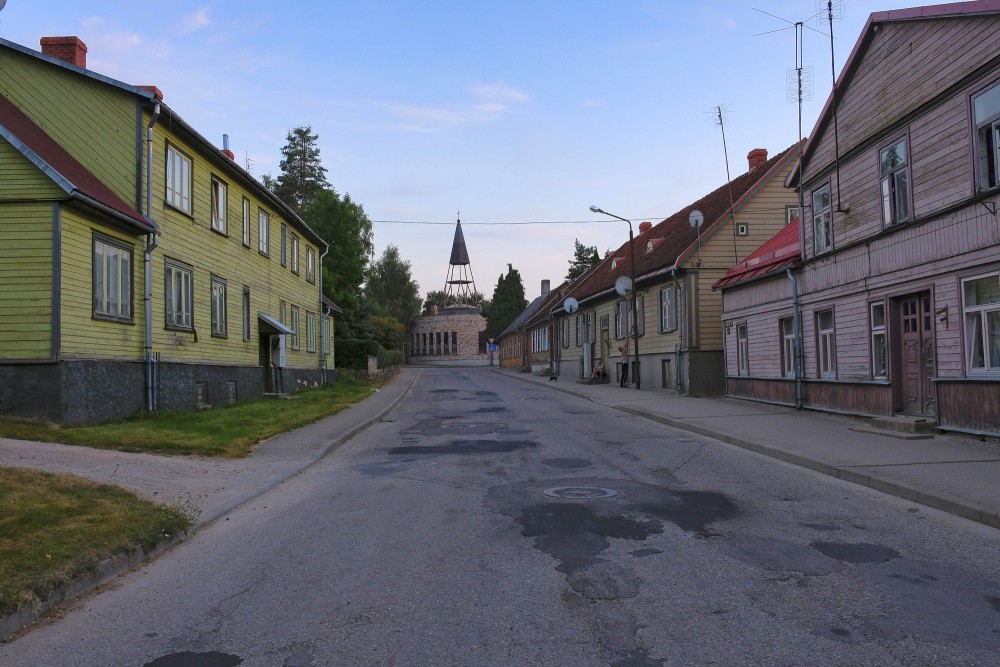
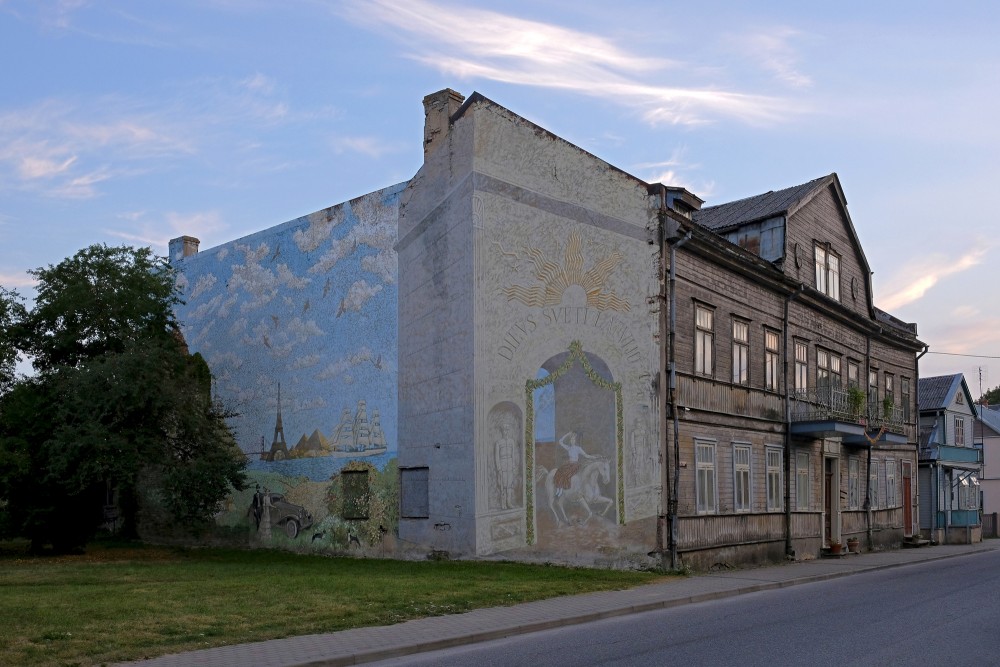
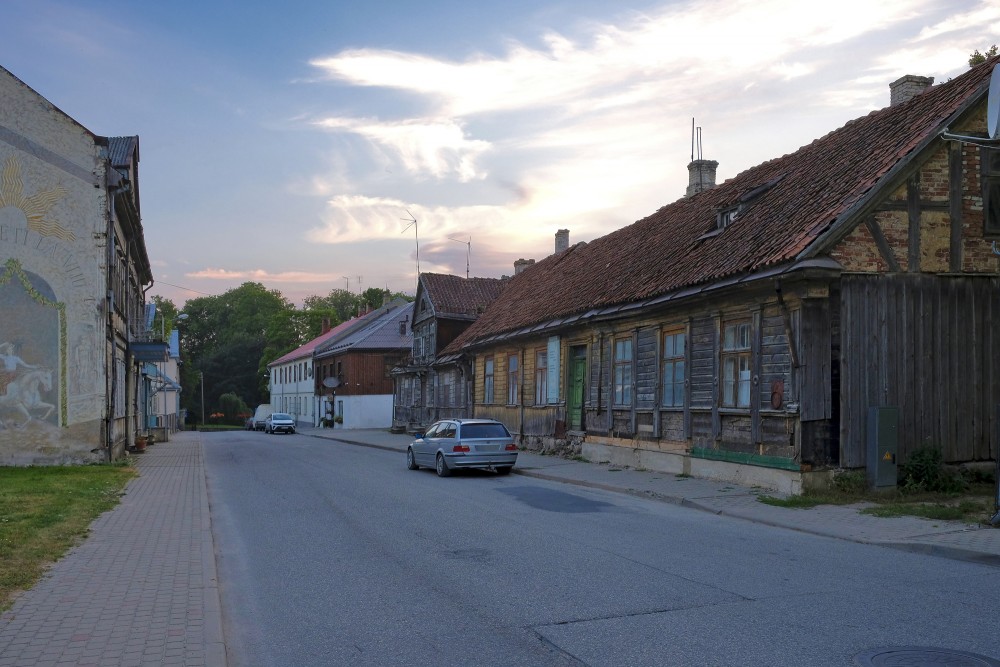
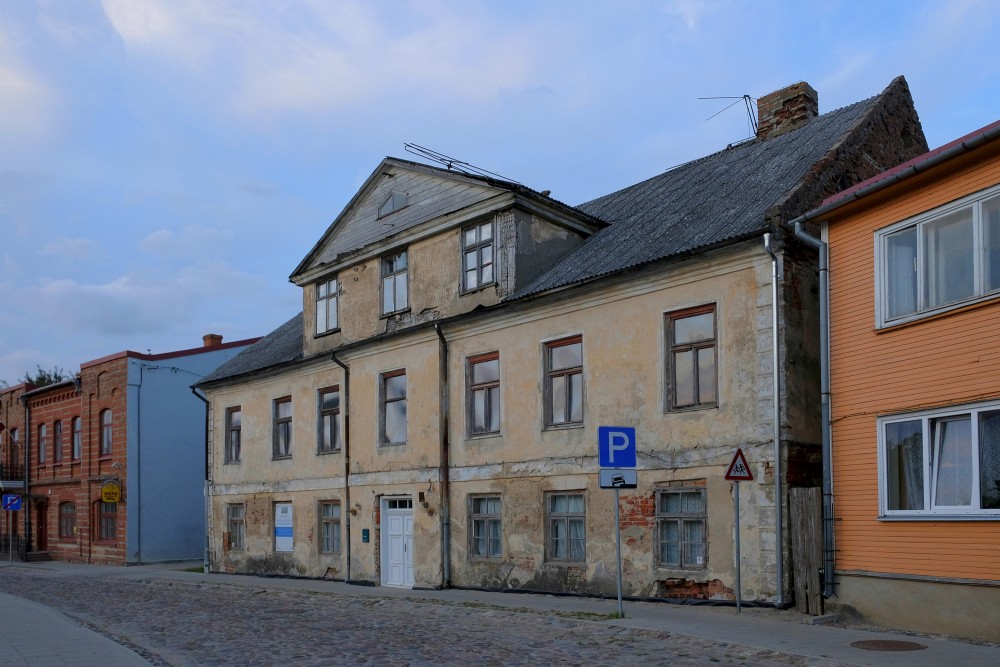
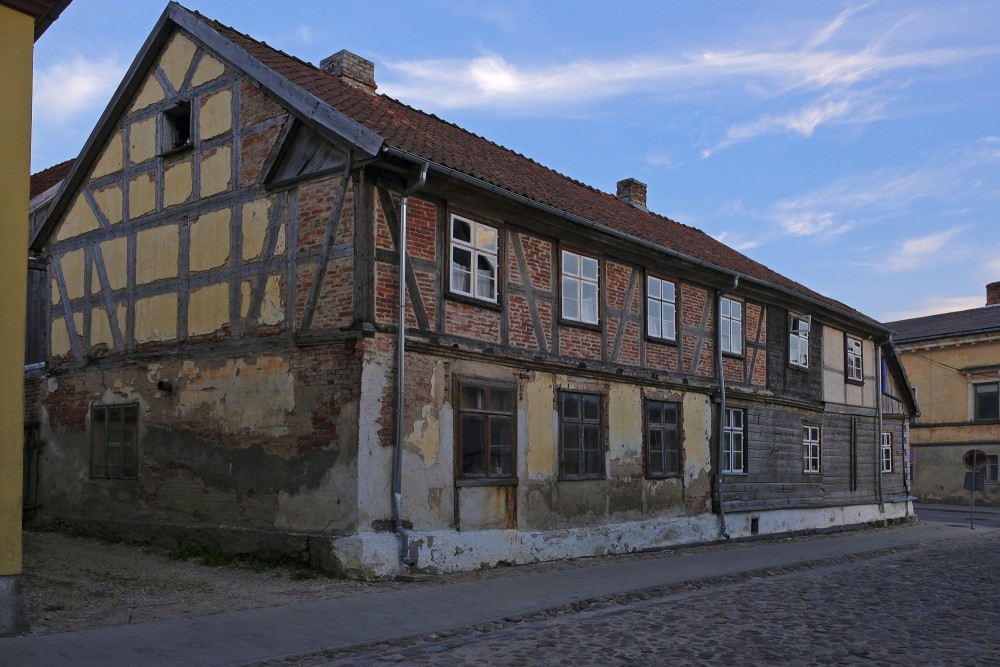
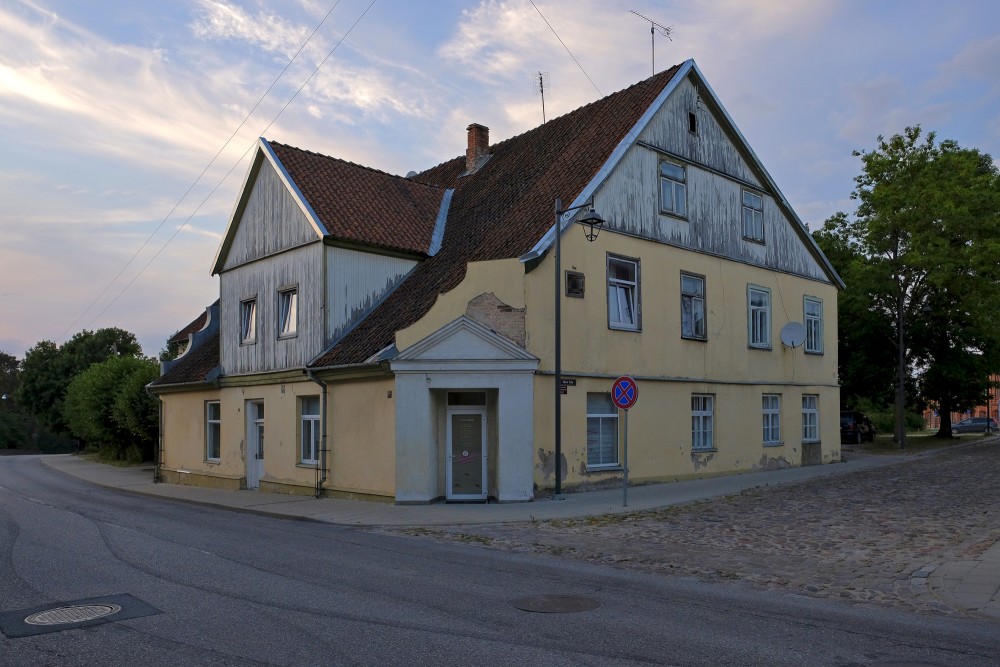
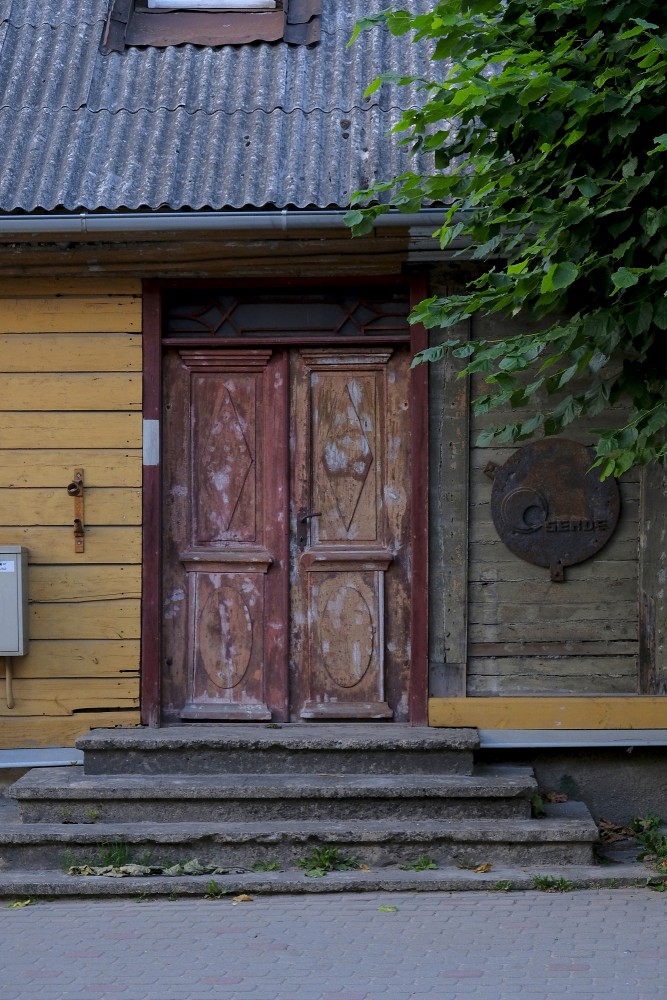
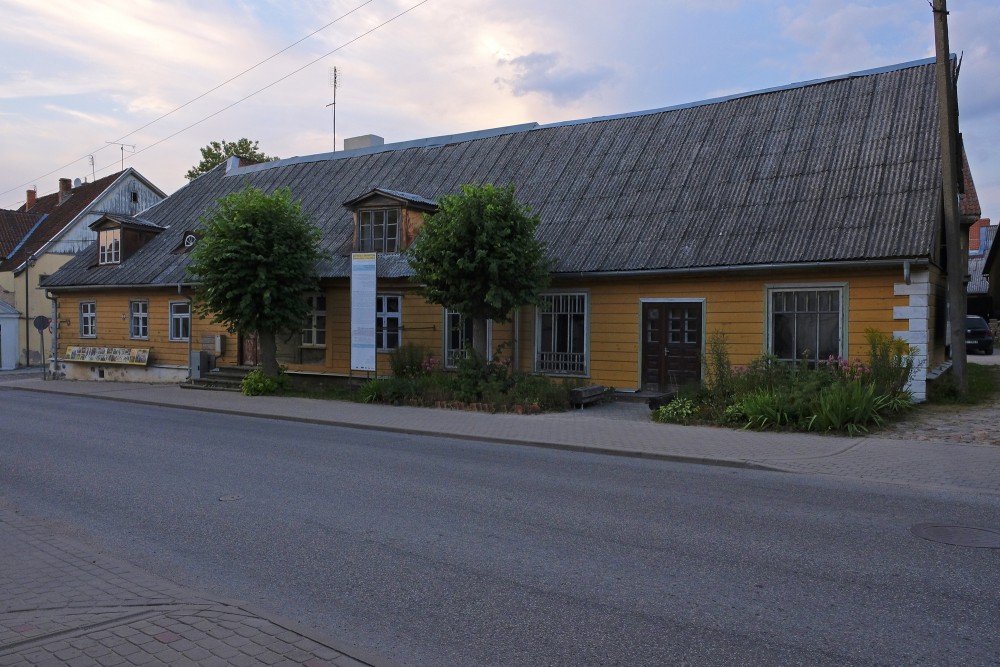
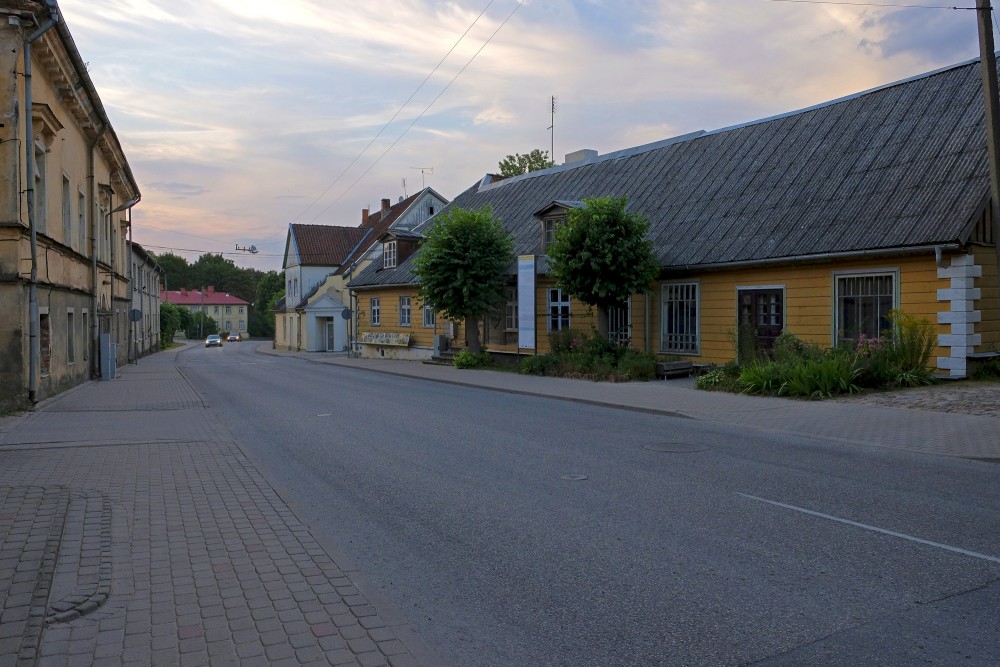
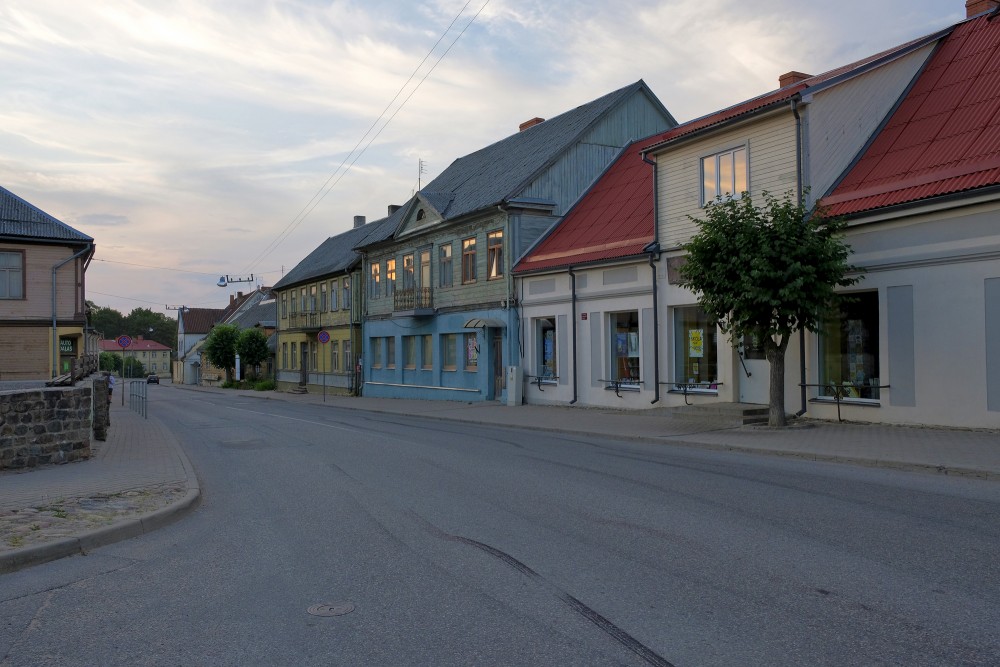
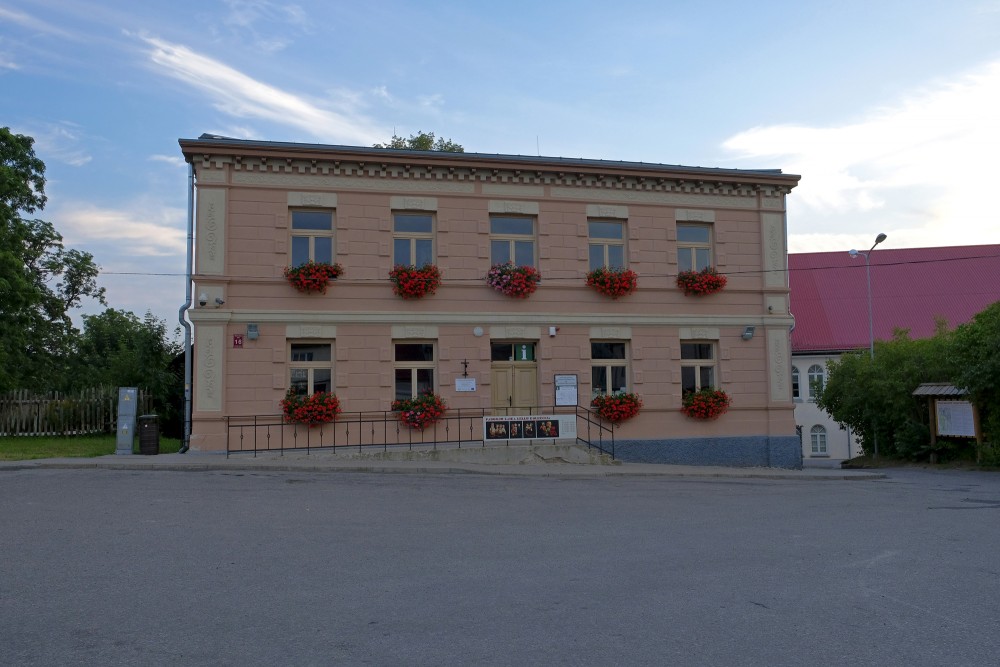
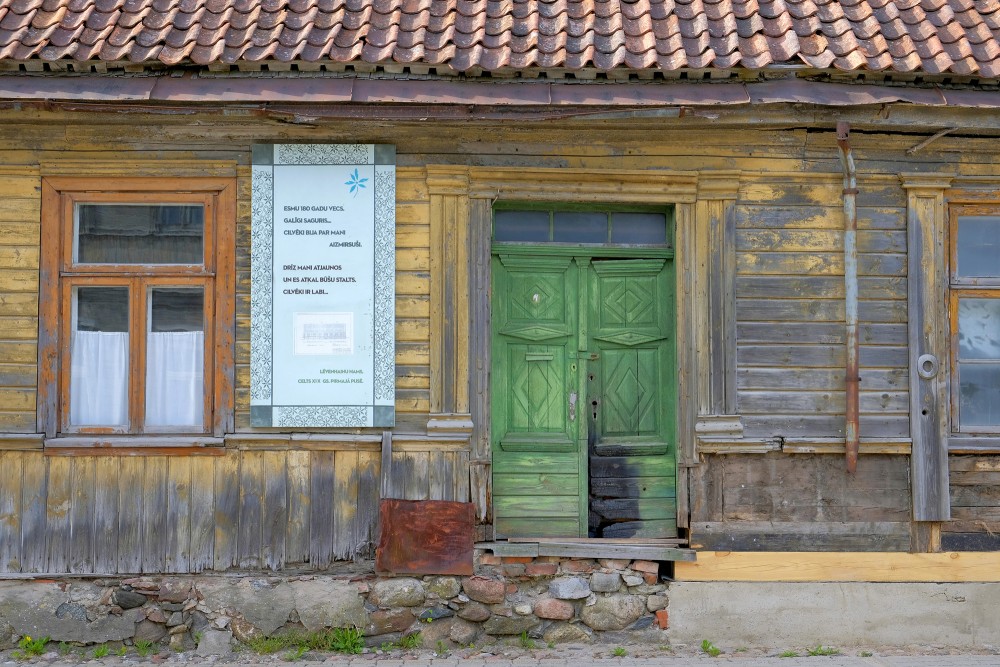
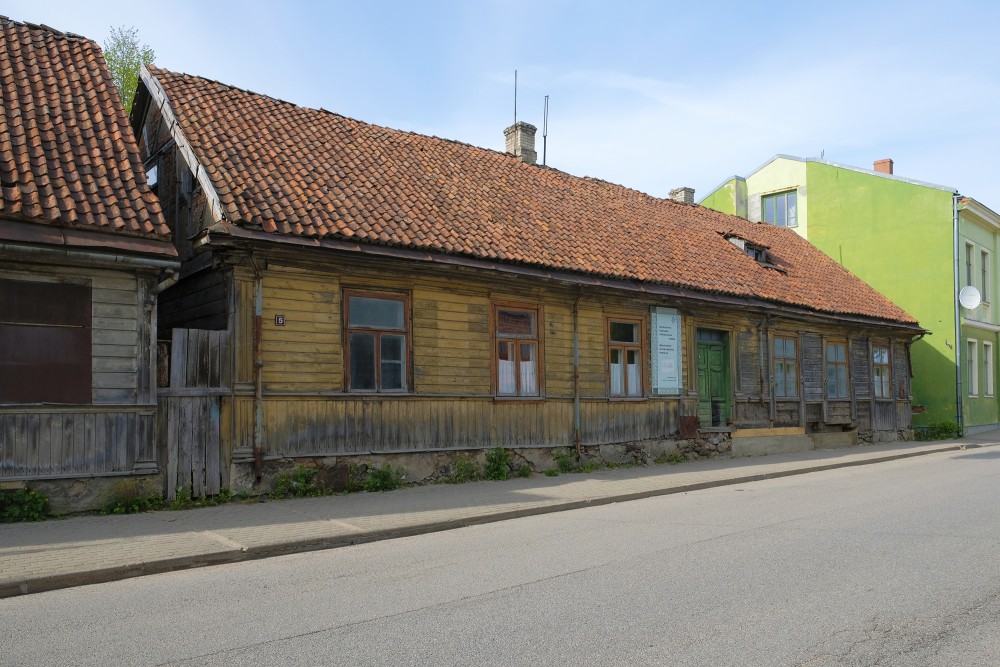
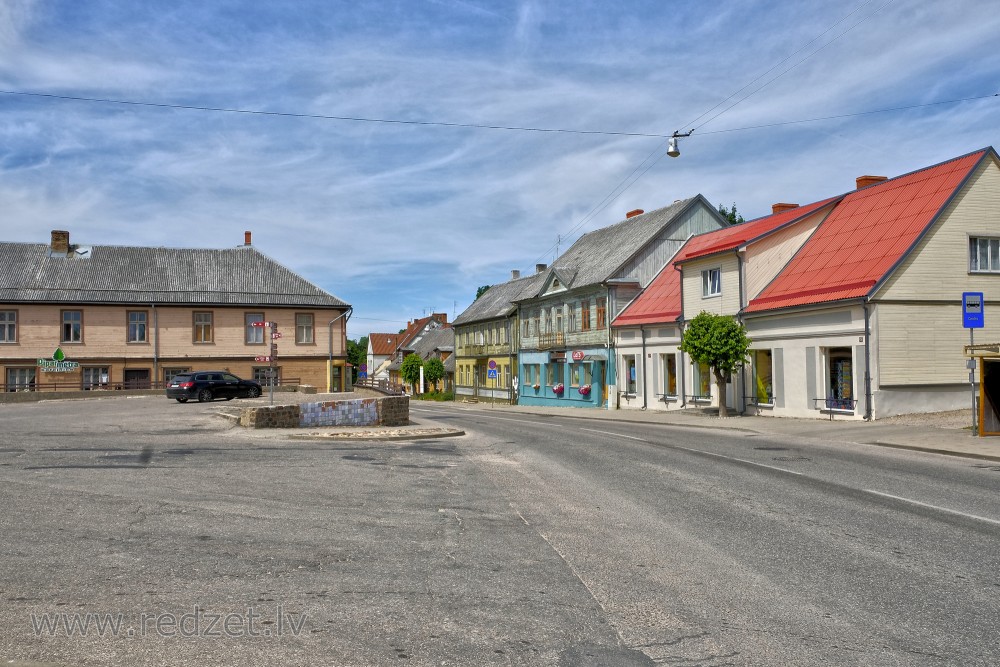
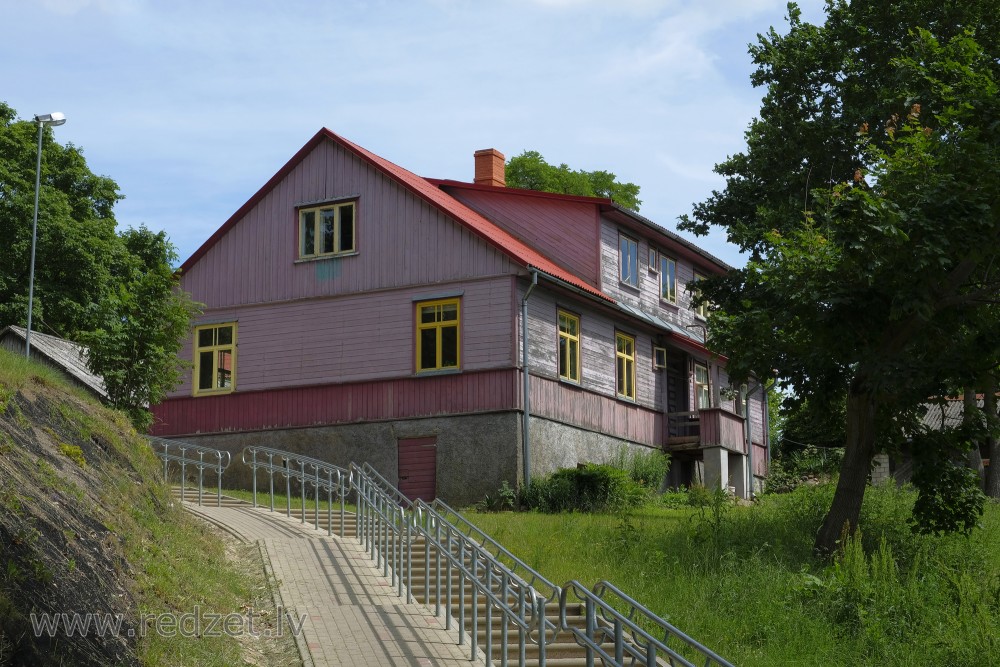
Aizpute’s historic centre mainly dates from the 13th to the 19th century. Its historic street network and numerous wooden buildings have survived relatively well. The old town is particularly interesting because medieval heritage stands alongside buildings from the 18th and 19th centuries and later urban development. Since 1998, the historic centre of Aizpute has been protected as a state cultural monument.
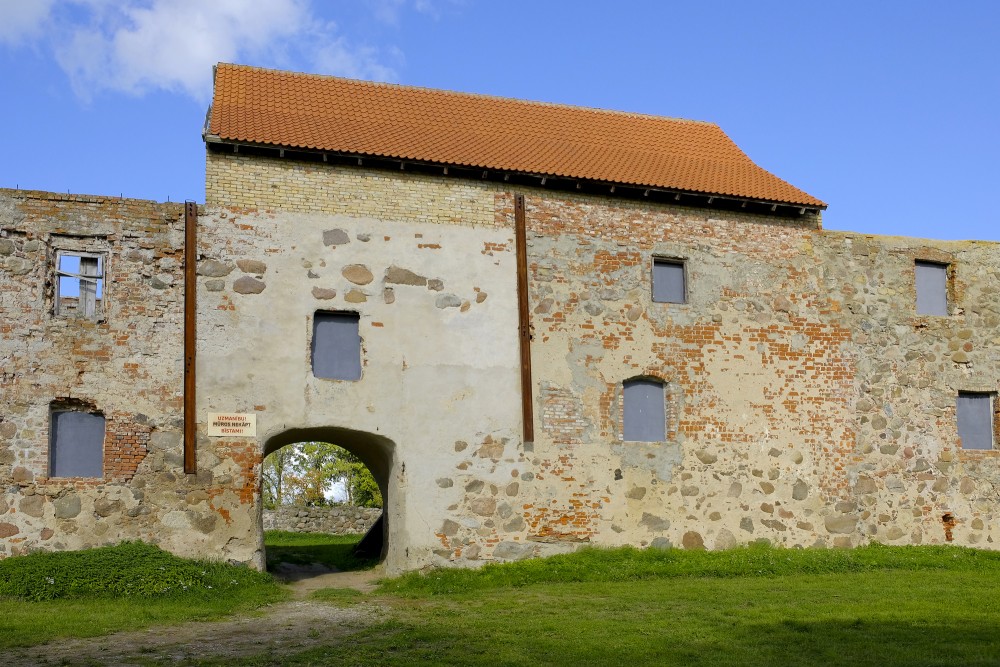
One of the town’s most important sights is Aizpute Livonian Order Castle Ruins on Liepājas Street. Construction of the Livonian Order castle began in the 13th century. It was a castellum-type fortress with a courtyard and corner towers, built near the border between the territories of the Livonian Order and the Courland Bishopric. In the 15th century, residential buildings were added. Parts of the castle and historic architectural details have survived as ruins.
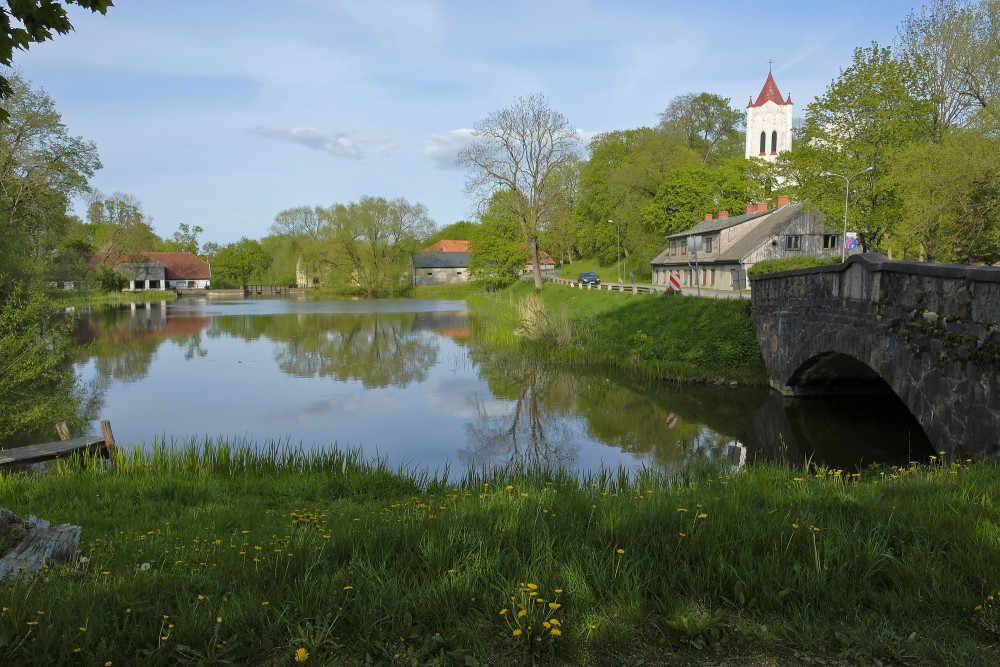
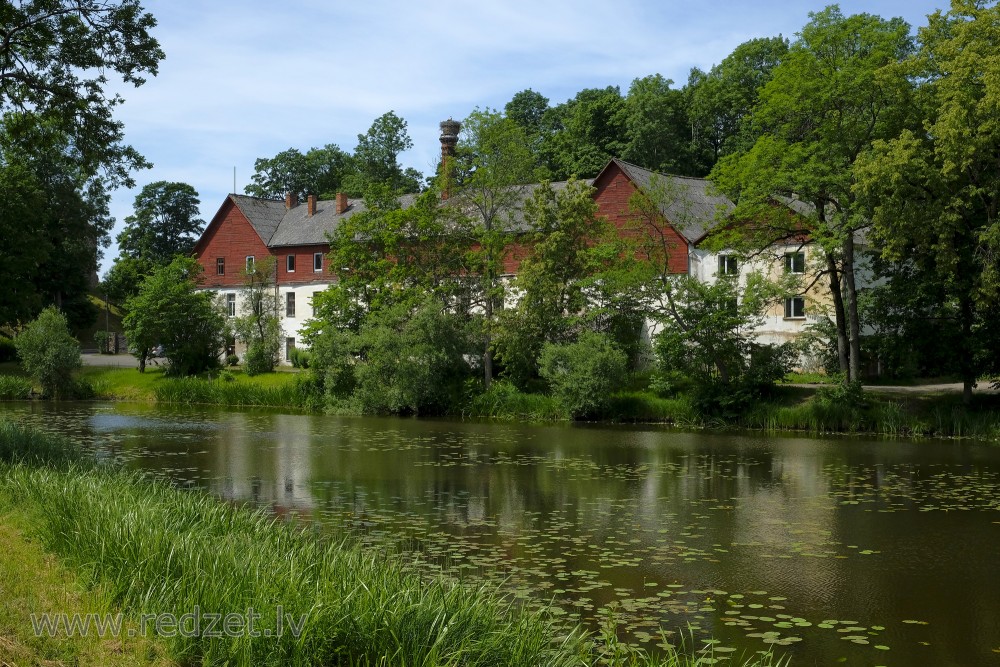
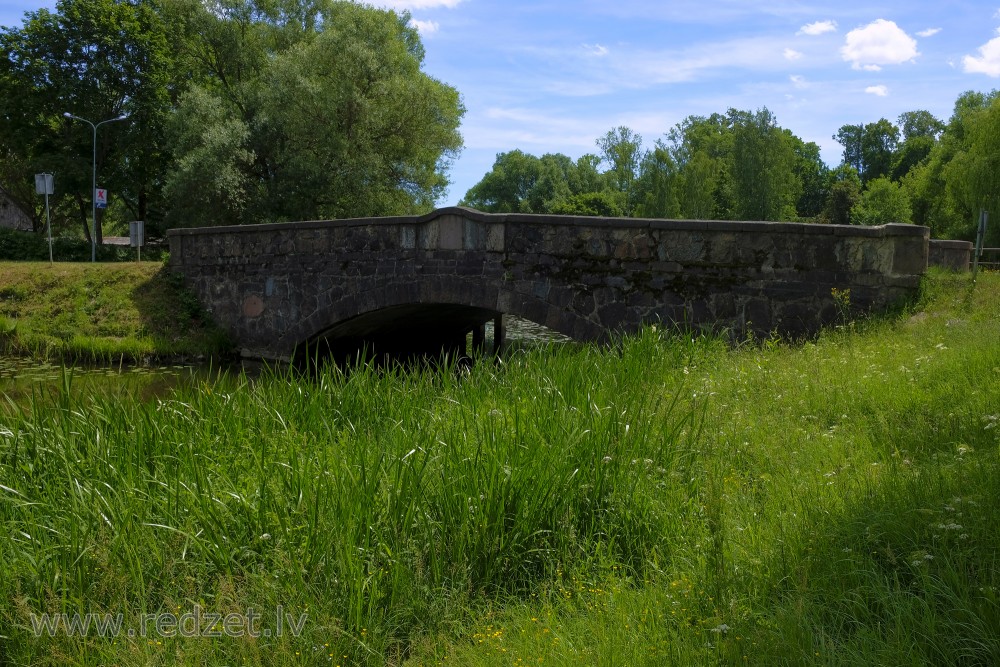
Another notable landmark is the stone bridge over the Tebra, built in 1907. Its stone railings feature the coat of arms of the Manteuffel family and the year of construction. Nearby stands the historic watermill complex, whose masonry building dates from the late 18th or early 19th century.
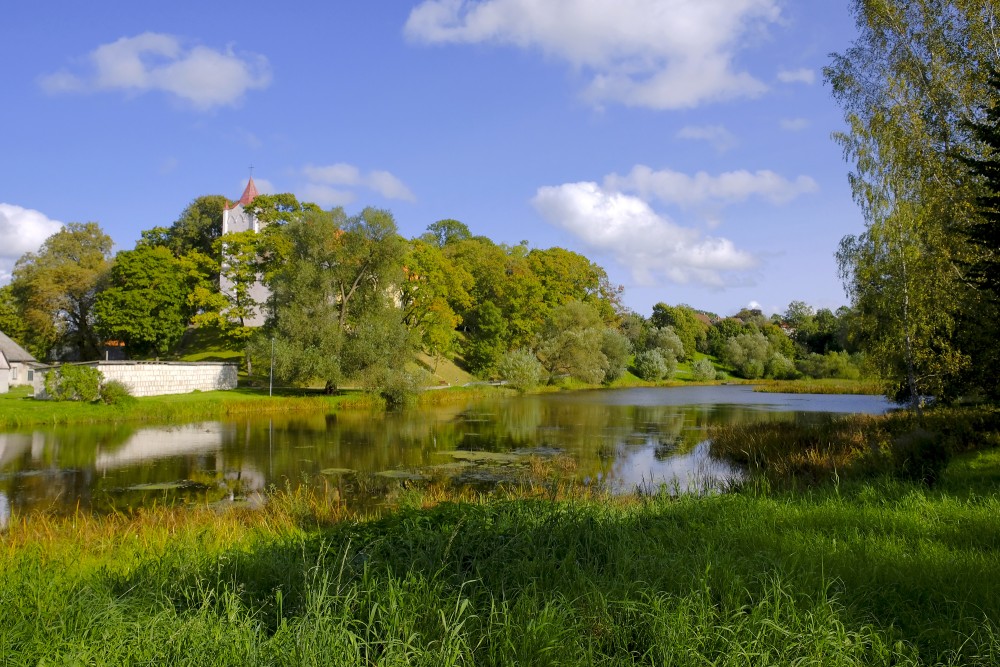
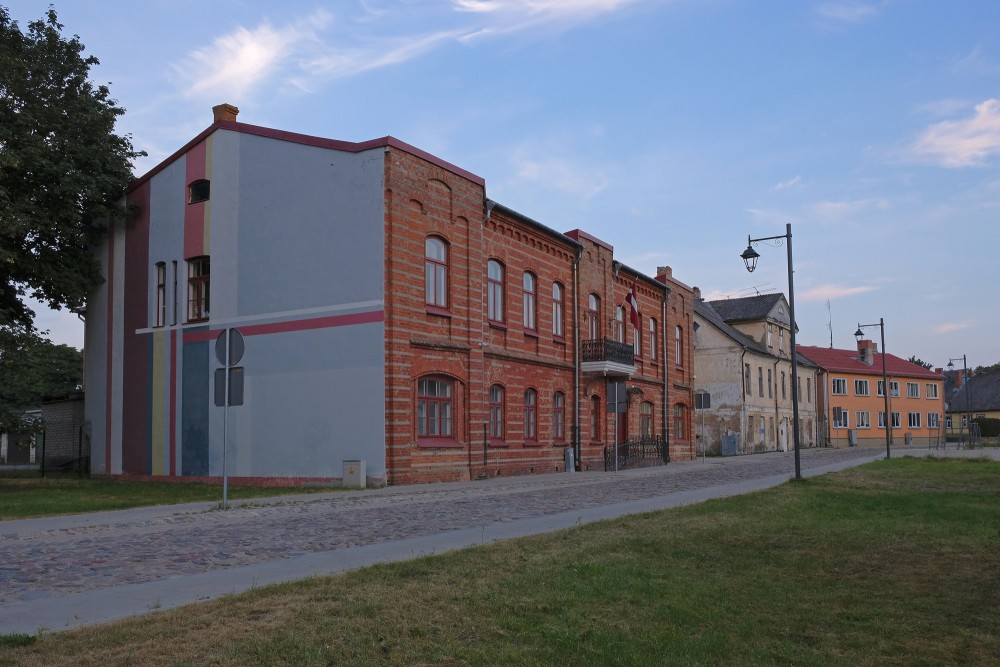
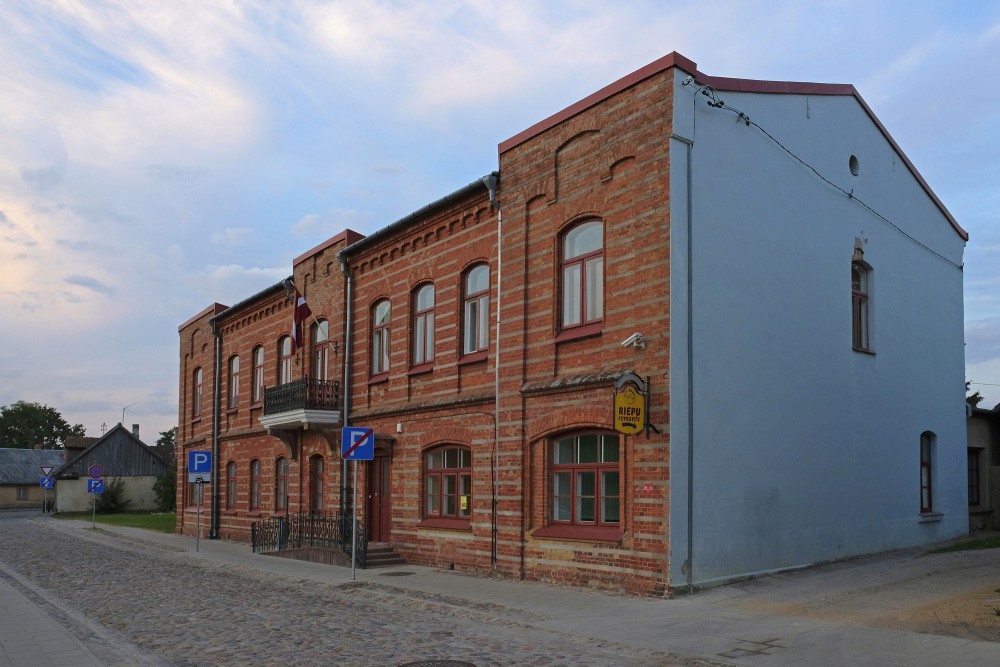
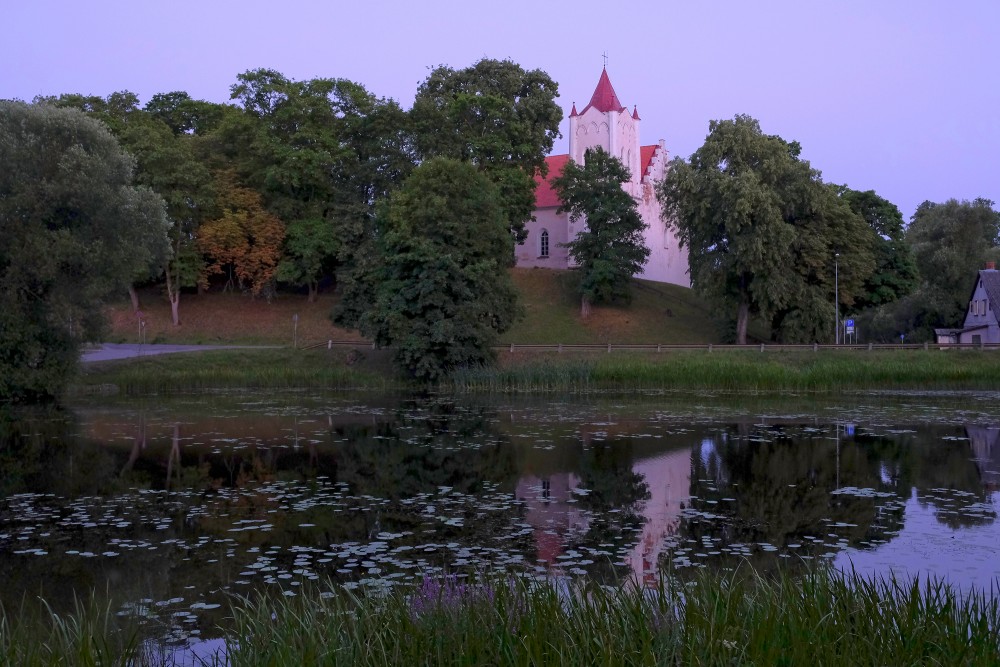
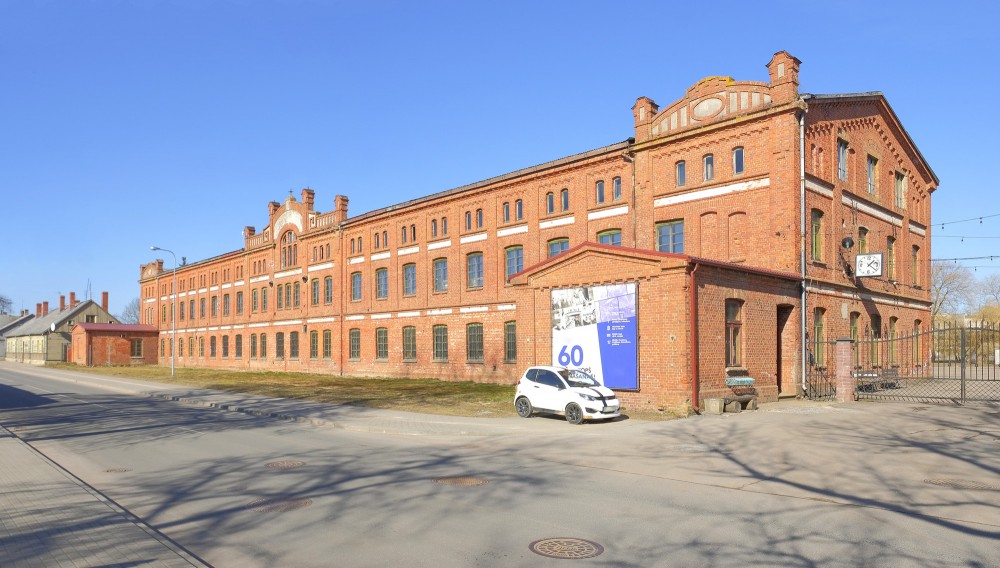
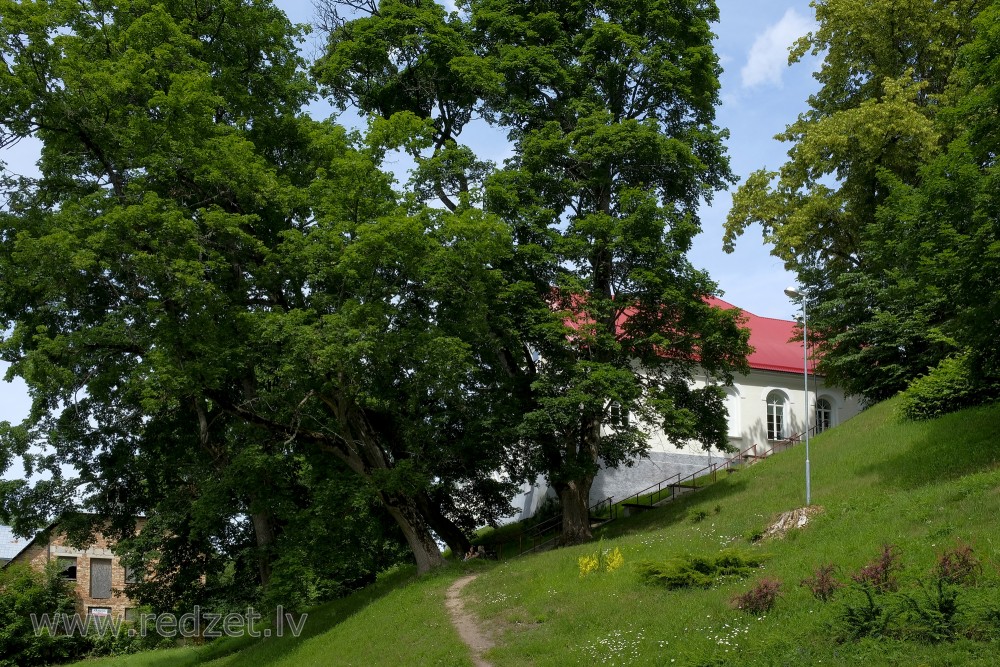
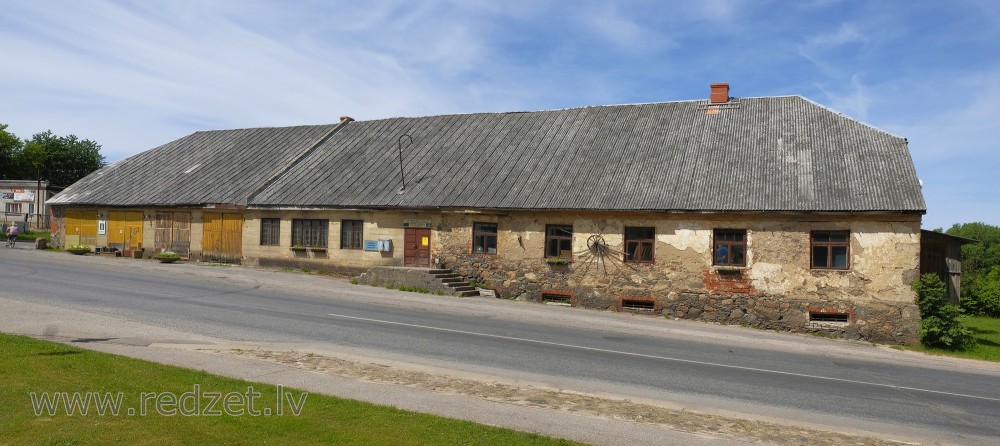
St John’s Lutheran Church is another important part of Aizpute’s cultural heritage. Its origins are connected with the 13th century and the site of an earlier Curonian hillfort. The historic townscape is also complemented by the former manor brewery, the Castle Pub and examples of 19th-century industrial architecture, including the red-brick Lindenberg cardboard factory building.
Museums and Culture
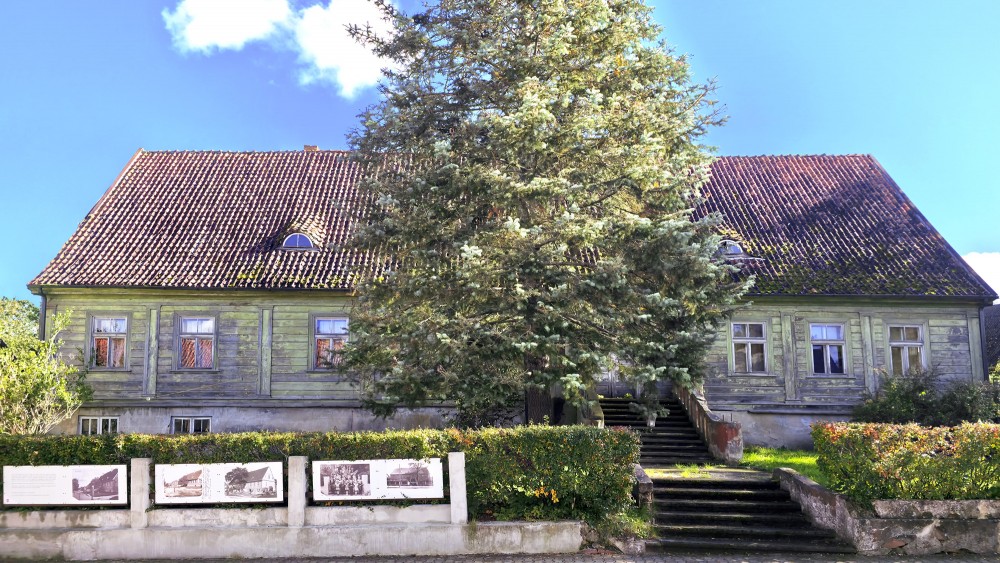
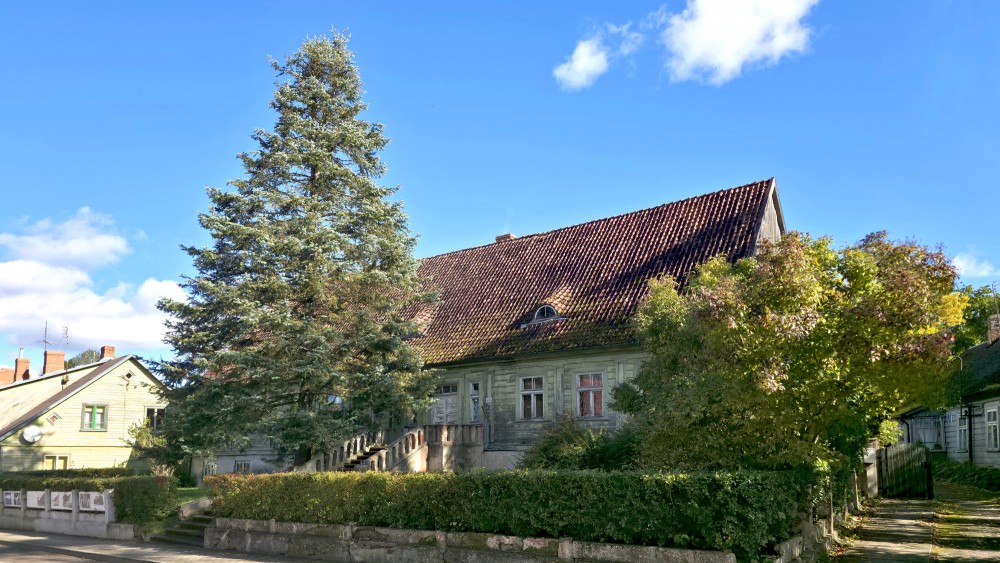
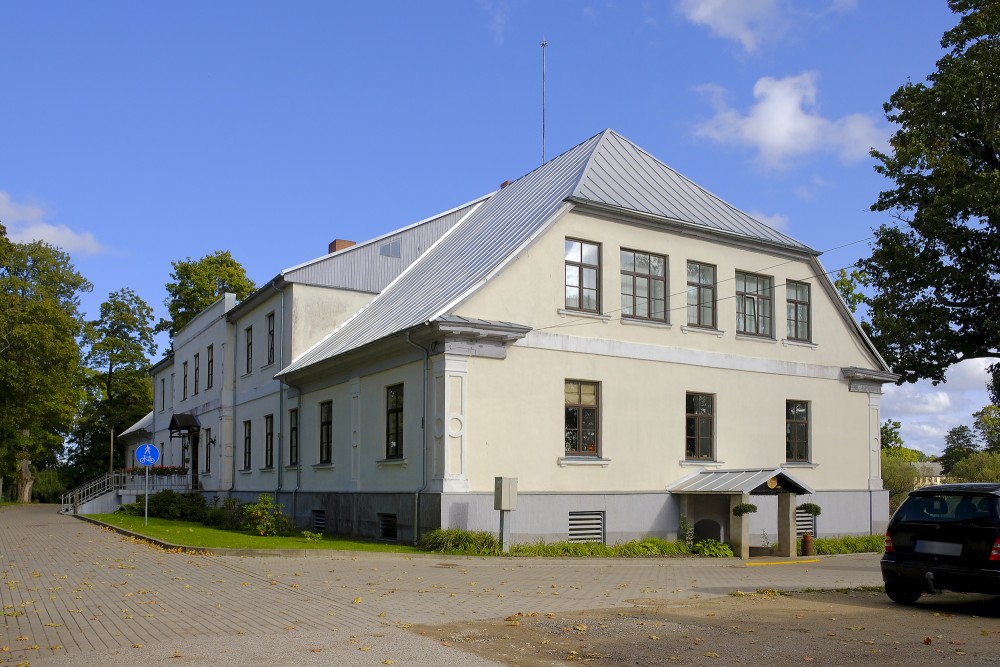
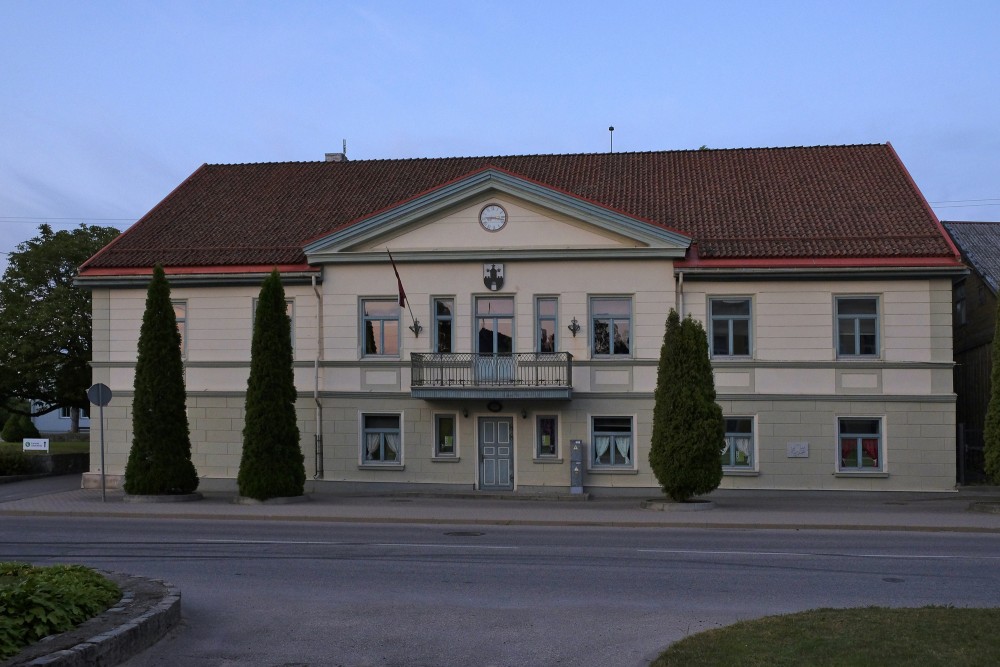
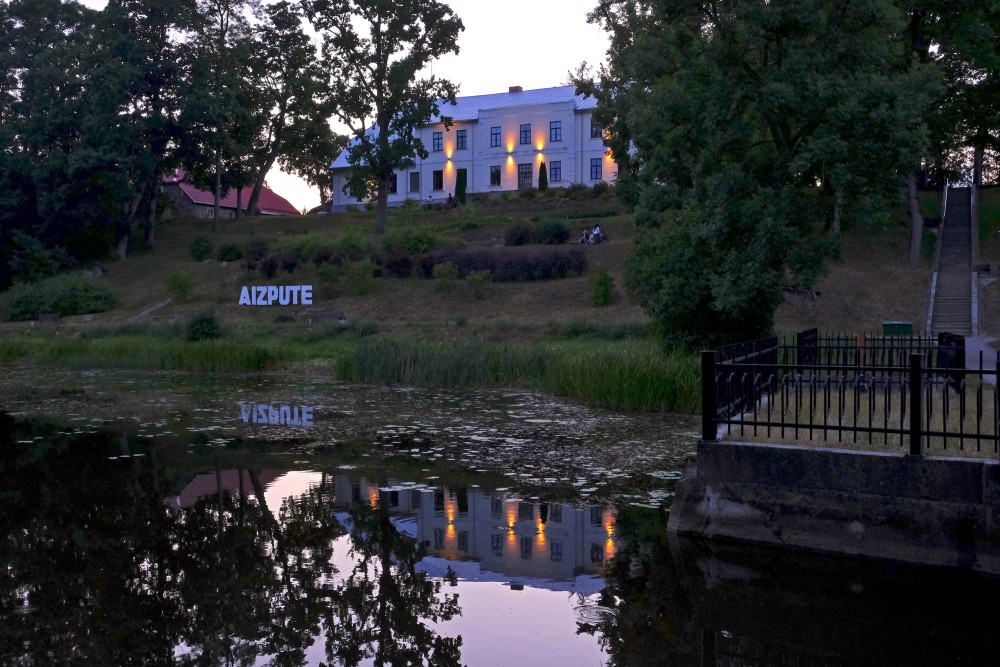
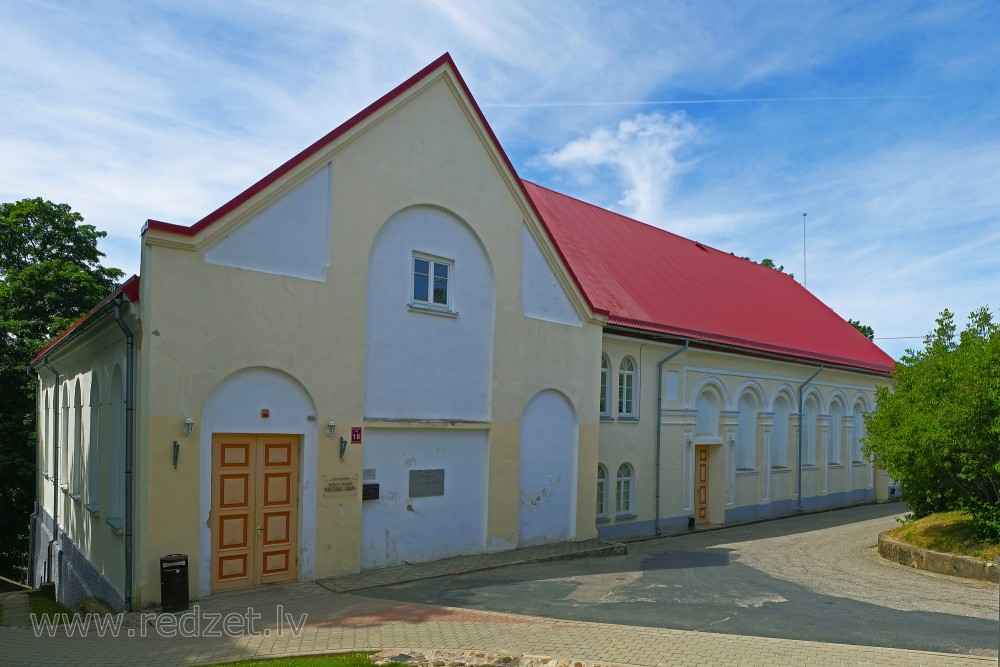
Aizpute Local History Museum is located in the historic New Pilsmuiža Manor House, built around the turn of the 18th and 19th centuries. Its exhibitions introduce visitors to the history, people and cultural heritage of Aizpute and its surrounding area.
Aizpute also has a distinctive contemporary cultural attraction – the Art Park, a natural area with a collection of rare plants, artworks, installations and small architectural forms created by artist Ģirts Brumsons.
Nature, Parks and Water
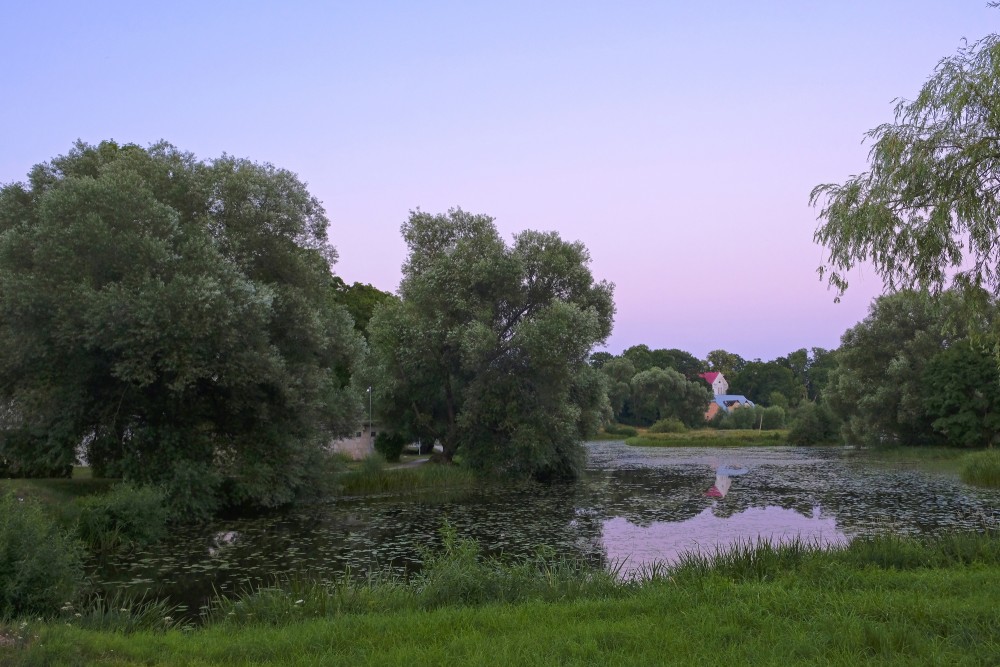
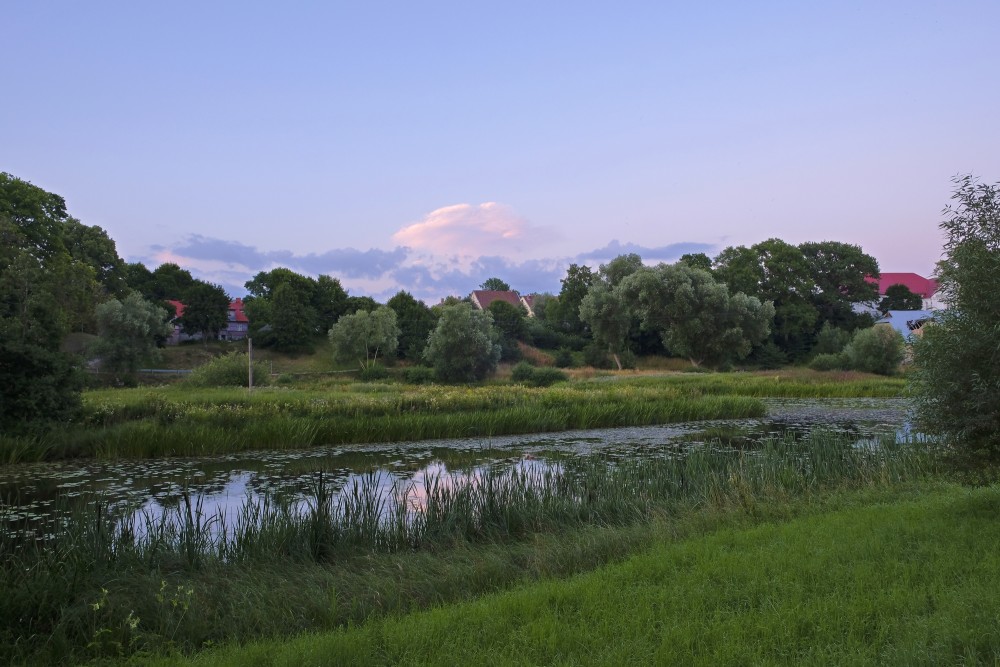
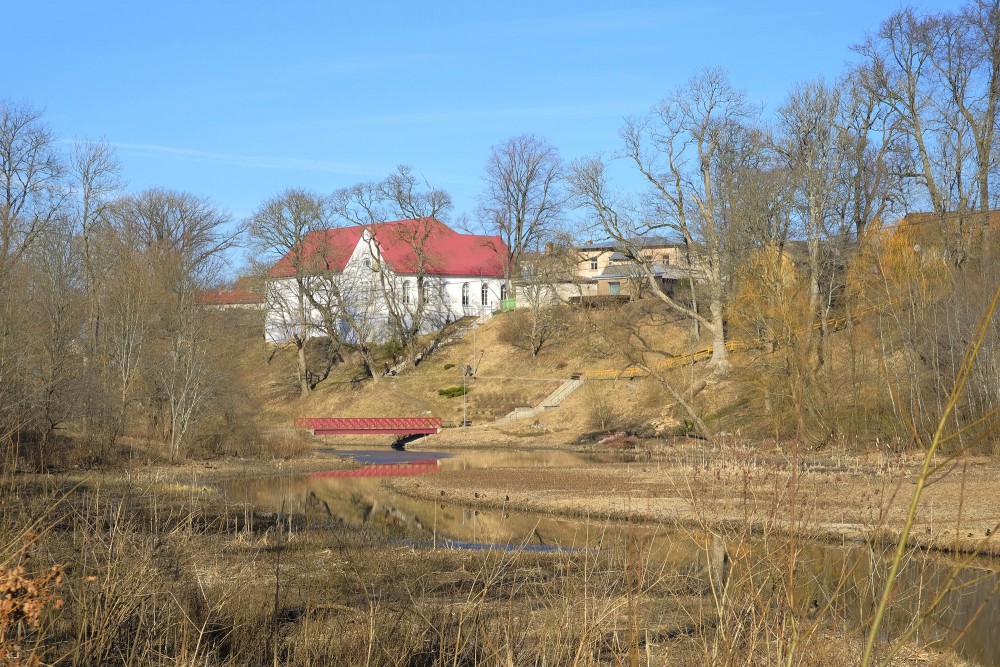
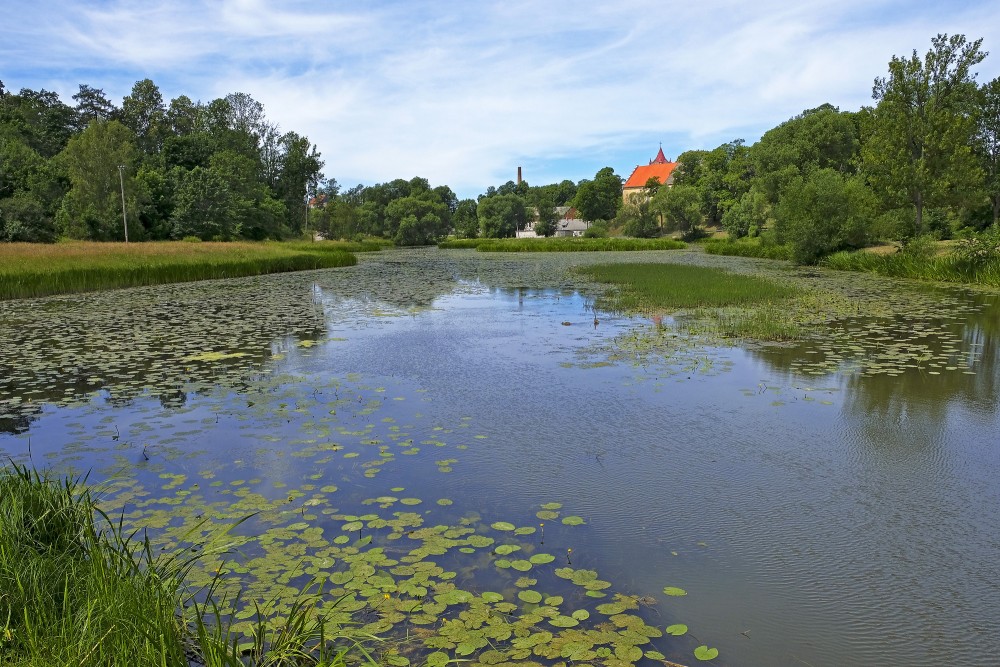
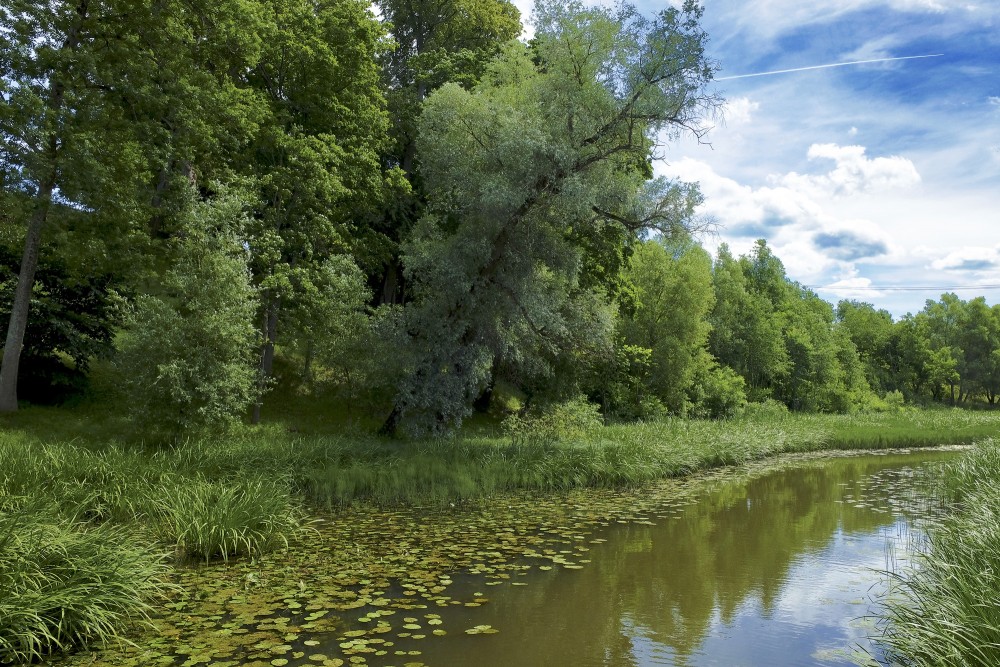
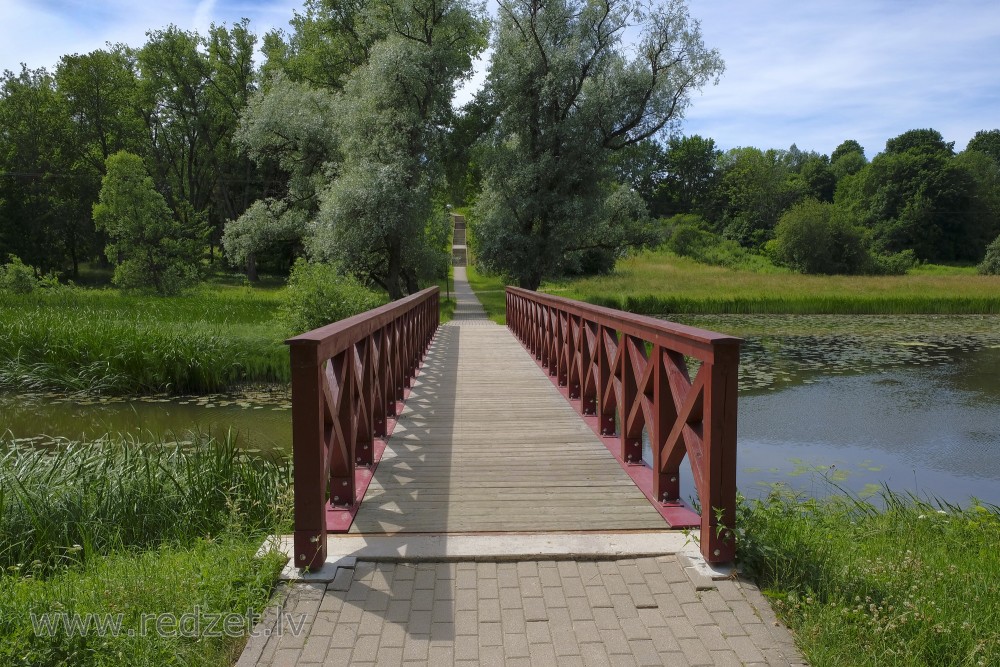
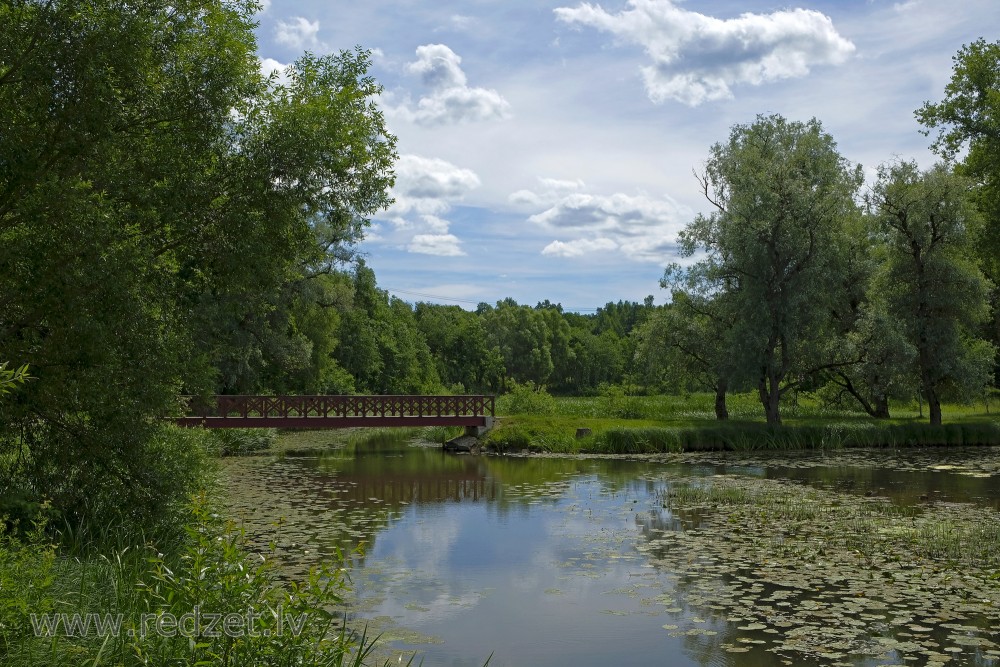
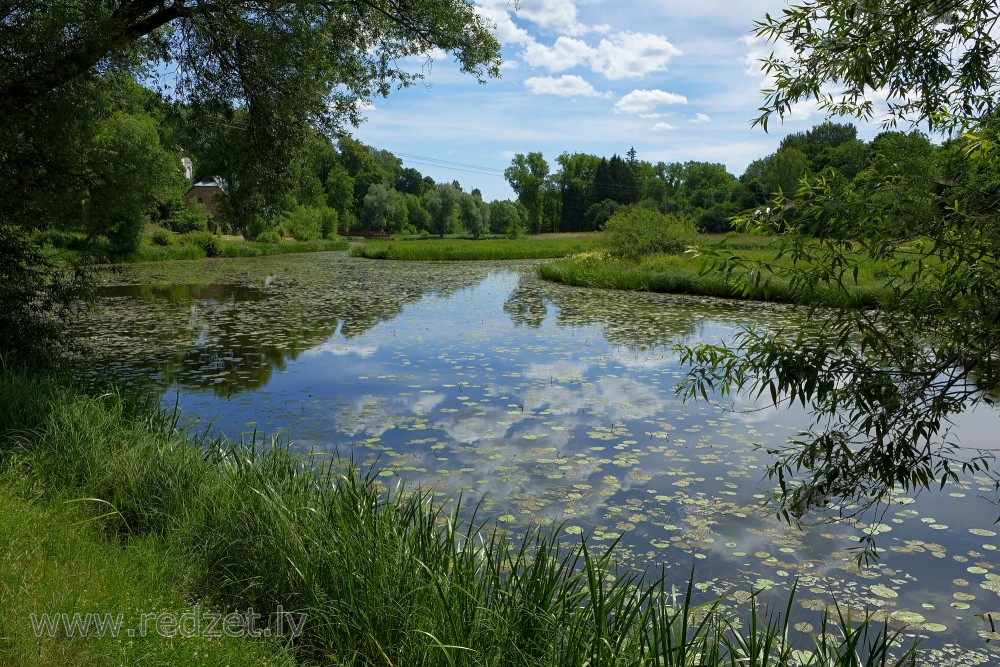
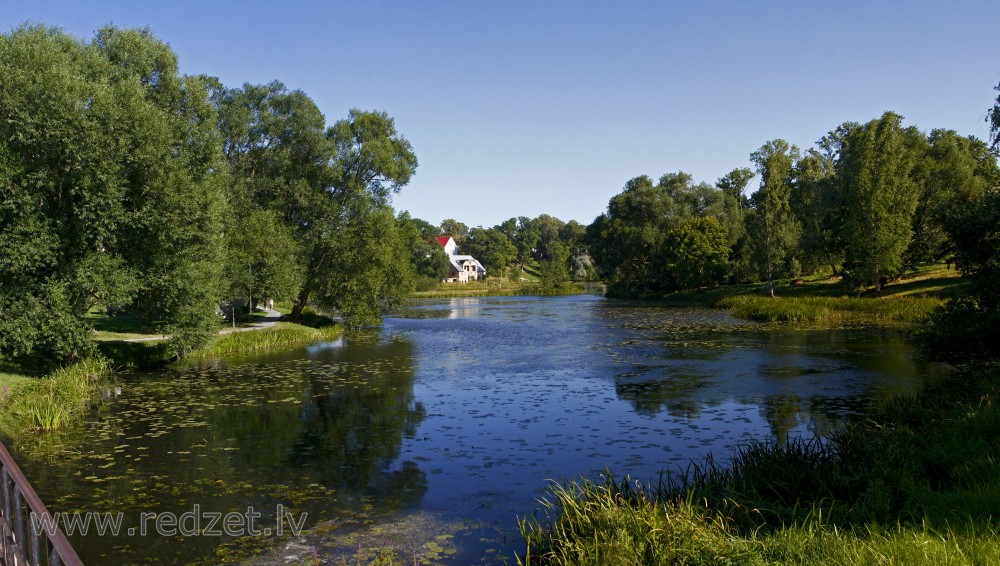
The Tebra River is an important part of Aizpute’s landscape. Historic watermills and the stone bridge remain closely connected with the river, illustrating the importance of water to the town’s earlier development. Today, the Tebra is primarily a scenic element of the town rather than the important navigable waterway it once was.
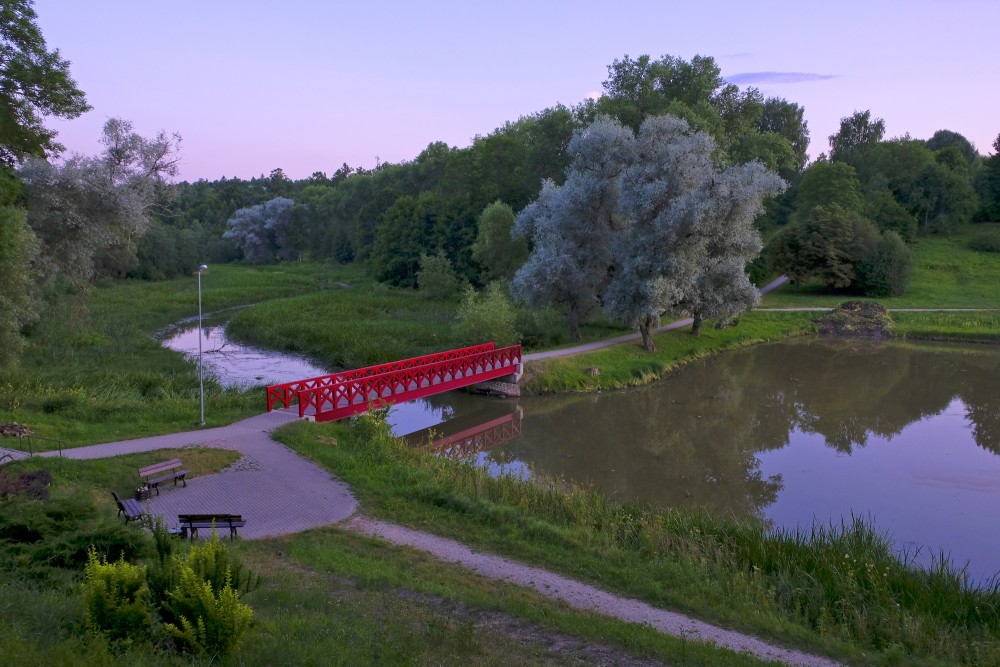
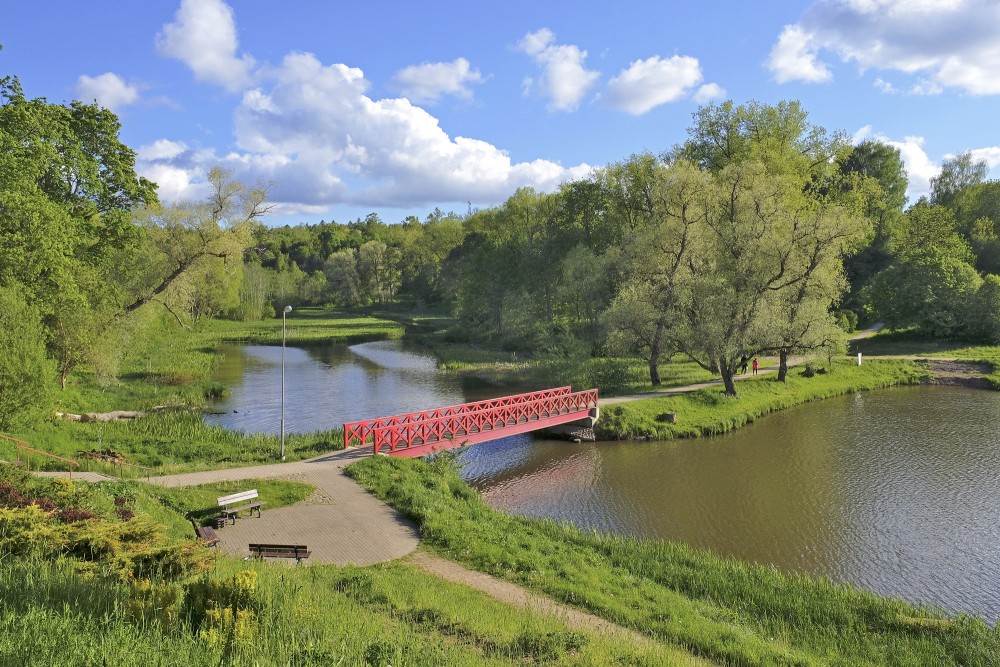
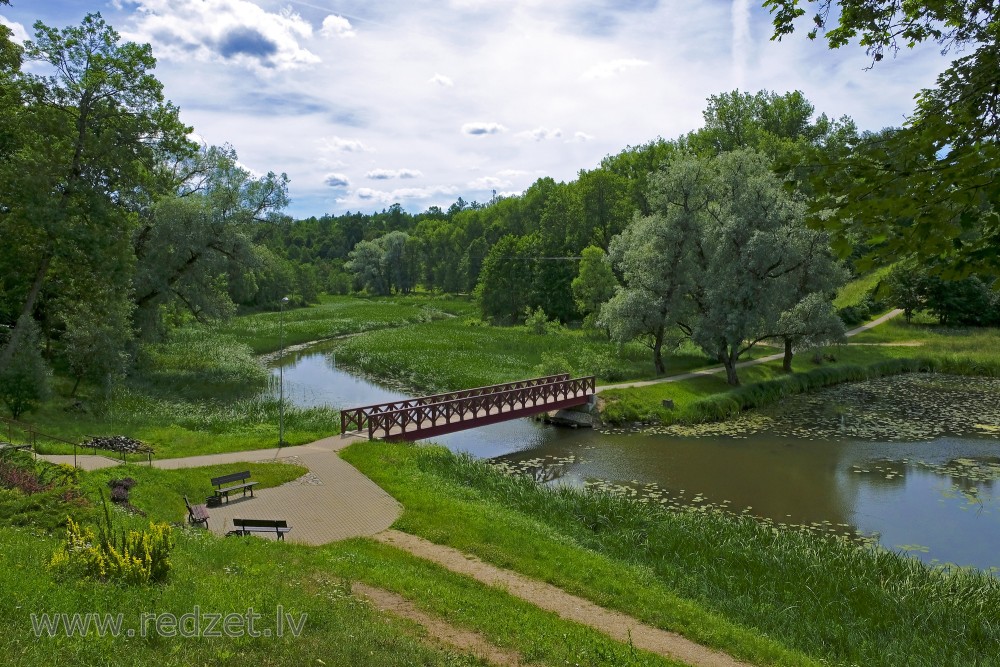
Misiņkalns Nature Park is ideal for walking. The park began to develop in the early 20th century and now covers approximately 28 hectares. Misiņkalns is the highest point in Aizpute, reaching 95.4 metres. Walking and cycling paths run through the park, where visitors can see a variety of trees and plantings. Views of the town open up from the higher parts of the park. The park also contains a motorsport track.
For a longer nature excursion, visitors can continue to Kazdanga Manor Park near Aizpute. Covering 196 hectares, it is one of Latvia’s largest and most dendrologically rich manor parks. It has walking paths, cycling routes, wooden sculptures and Dzirnezers Lake. A 190-metre pontoon footbridge crosses the lake, with a small observation tower for birdwatching and nature observation.
Viewpoints and Outdoor Art
Aizpute’s former water tower is an unusual example of industrial heritage. Built in 1960, it operated until 2009 and has since been adapted as an observation tower. Its highest point is 27 metres above ground, providing a different perspective over the town. Visits need to be arranged in advance.
The outdoor installation “Flower Narrow-Gauge Train” on Atmodas Street draws attention to Aizpute’s railway history and the former Aizpute–Liepāja narrow-gauge railway.
Misiņkalns Park also contains granite stelae commemorating holders of the Lāčplēsis War Order associated with the Aizpute area, as well as other historical memorial sites.
Recreation for Families
Aizpute also offers opportunities for active leisure. Misiņkalns Park has walking and cycling paths, while the town has a skatepark.
Families looking for more active recreation can explore the surrounding area. Cīrava Forest Park has walking trails and a “Beaver Trail” with a rope bridge, climbing walls, swings and other activities. The trails and pontoon bridge in Kazdanga Manor Park are suitable for relaxed walks and nature observation.
Interesting Facts
- Aizpute received town rights in 1378.
- In the Middle Ages, the Tebra was an important route for transport and trade, with a port near its mouth at the Saka River.
- Both the Courland Bishopric and the Livonian Order had centres in the area of present-day Aizpute.
- The stone bridge over the Tebra was built in 1907.
- At 95.4 metres, Misiņkalns is the highest point within Aizpute.
- The water tower built in 1960 was converted into an observation tower after it ceased operating.
- Aizpute’s historic centre brings together medieval castle ruins, wooden architecture, a church, watermill and 19th–20th-century urban heritage in a relatively compact area.
Aizpute is best explored on foot: start in the historic centre and at the castle ruins, cross the old stone bridge, follow the Tebra and see the watermill, then finish with a walk through Misiņkalns Nature Park or a visit to the town’s former water tower.