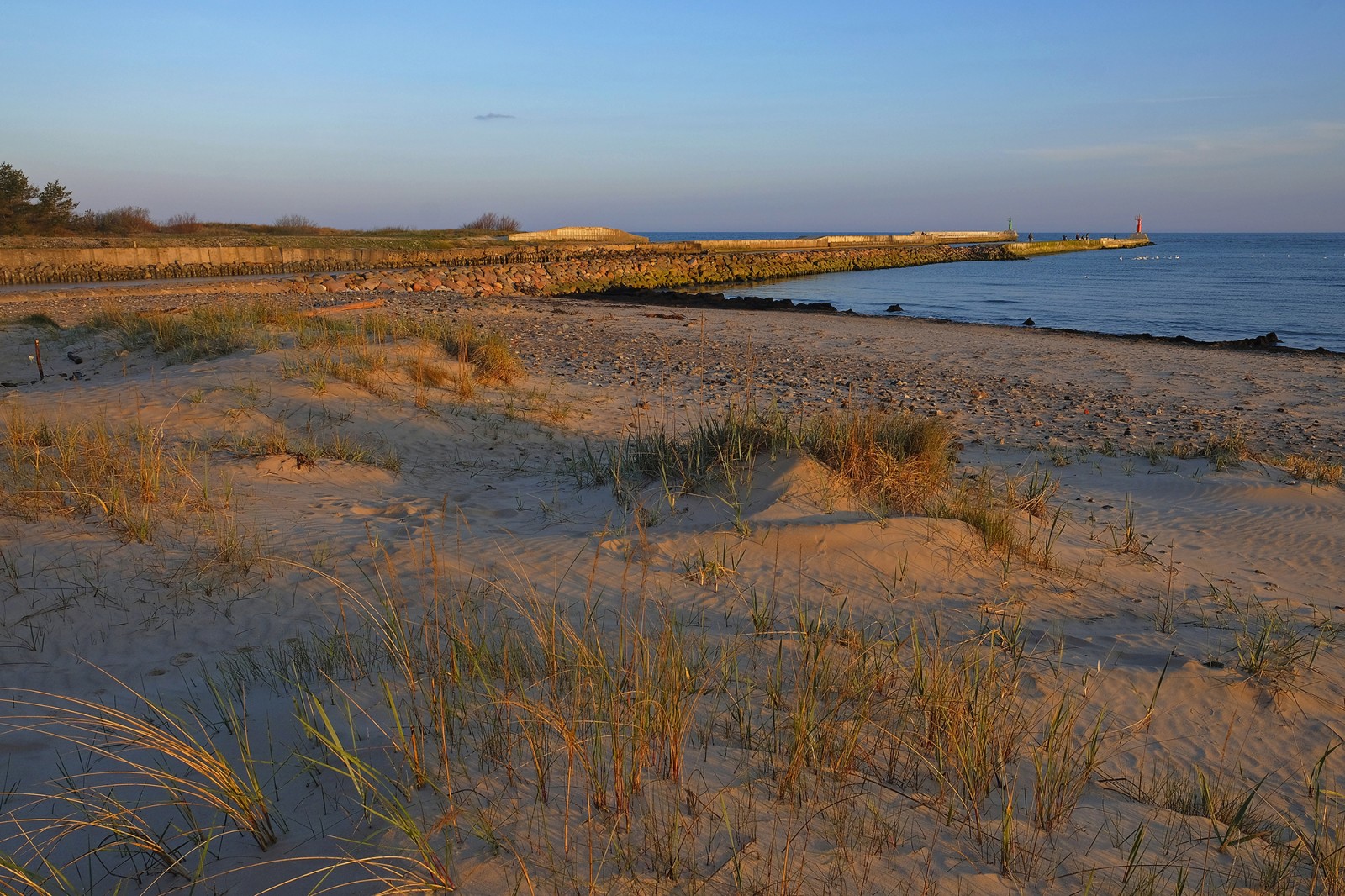
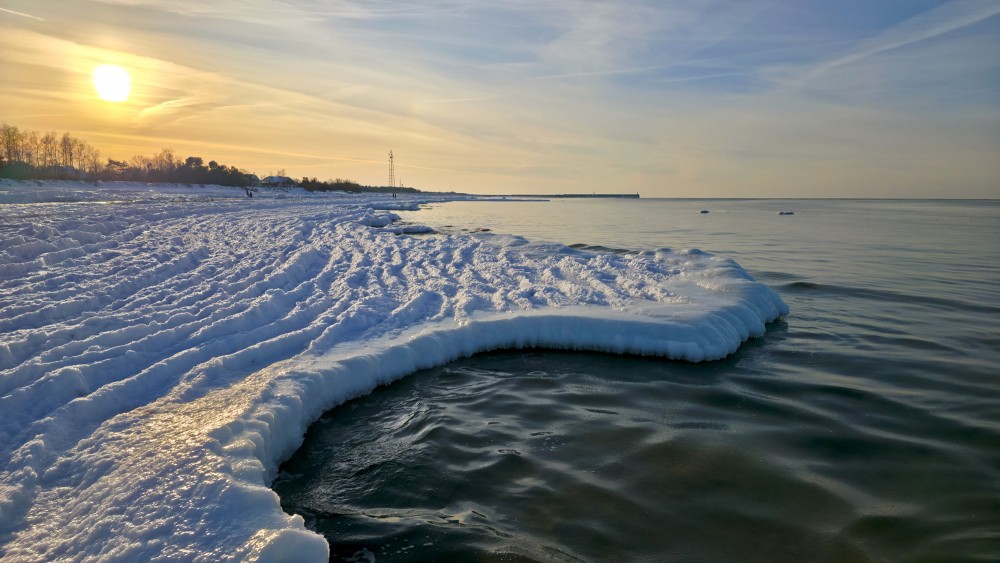


Pāvilosta Beach is located on Latvia's western Courland coast, near the mouth of the Saka River where it flows into the Baltic Sea, roughly 240 km from Riga and 54 km north of Liepāja. The town's origins date back to 1879, when German baron Otto Friedrich von Lilienfeld began construction of a harbor at the river mouth and named the new town after his brother, Paul von Lilienfeld, Governor of Courland — giving it the name Paulshafen, later Pāvilosta. The North and South breakwaters built at that time, since extended and reconstructed several times, still mark the river's entrance to the sea and remain among the town's most recognizable landmarks.
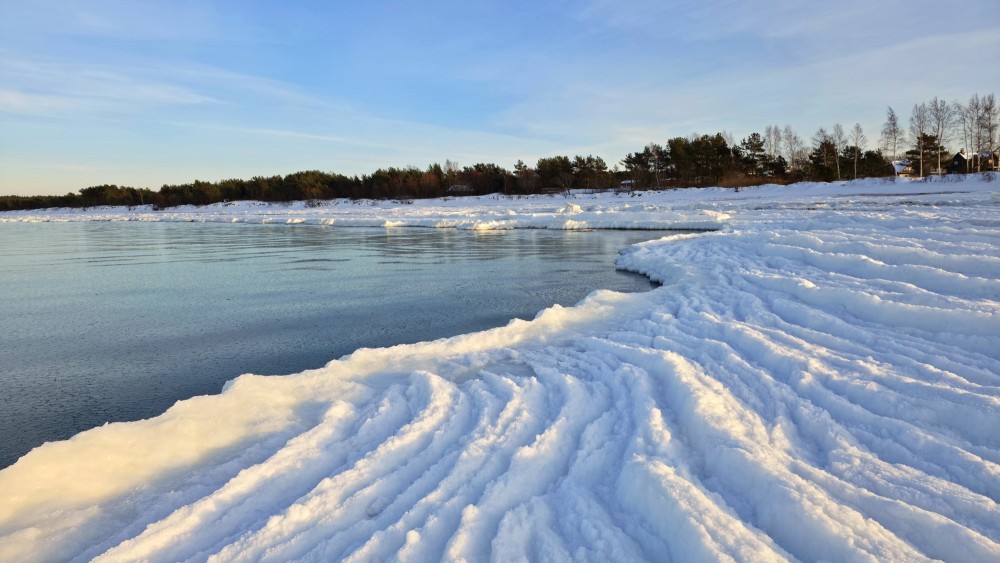
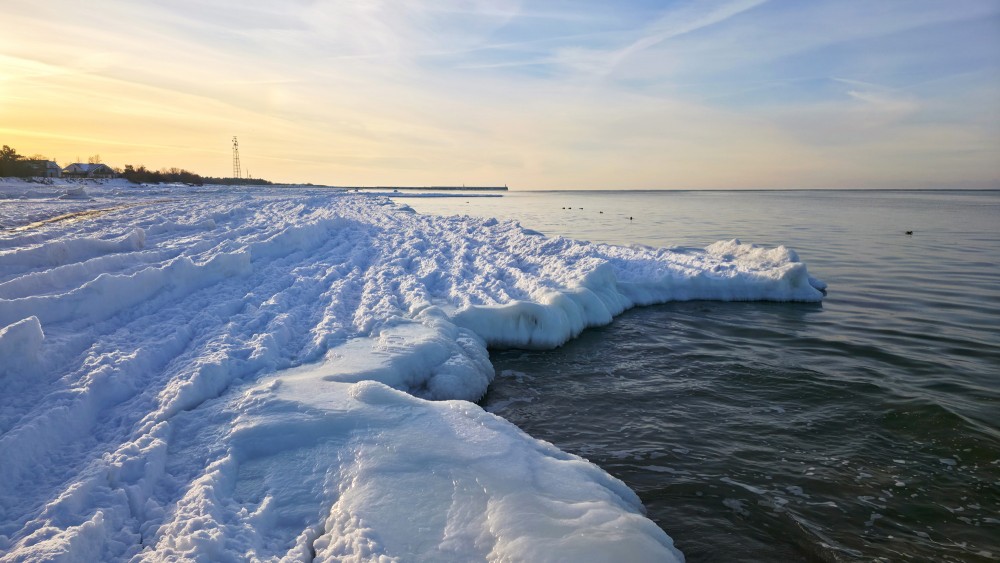
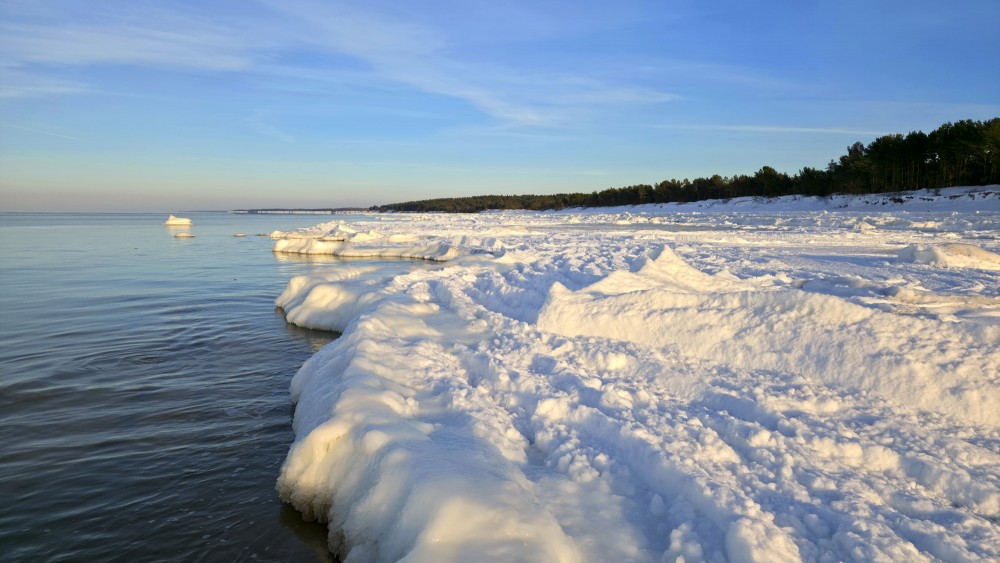
The beach itself is a wide strip of pale sand bordered on the landward side by grass-covered coastal dunes. This dune belt forms part of the broader dune system along Latvia's western coast, which includes the Pāvilosta Grey Dune, a nature reserve of European significance and one of Latvia's newer NATURA 2000 sites. The shoreline here is relatively open and exposed to wind, giving the area its characteristic, ever-shifting landscape of drifting sand and wind-blown dune grass.
Today, Pāvilosta Beach is one of the most popular recreational spots on the Courland coast and is known for its strong winds, which draw surfers, kitesurfers, and windsurfers, particularly during stormy weather when the waves along the shore grow more pronounced. In summer, the beach also serves as a quiet destination for walking and swimming, while the nearby promenade and breakwaters offer views of moored fishing boats and sailing yachts. One notable detail: about 100 meters offshore lies Latvia's largest sea boulder, whose visible portion above the waterline reaches approximately 3.5 meters.