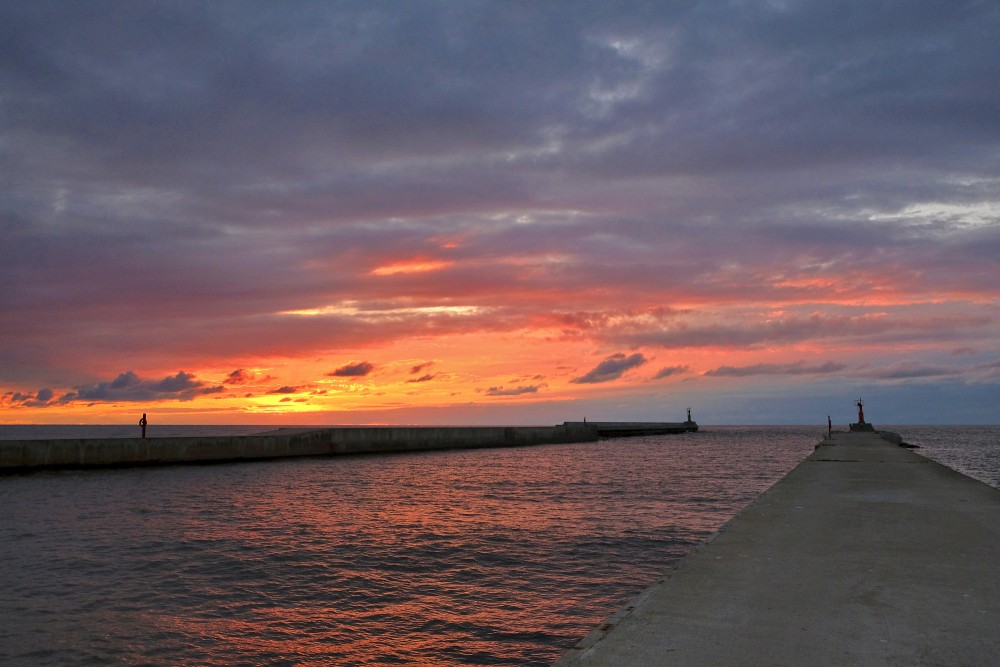
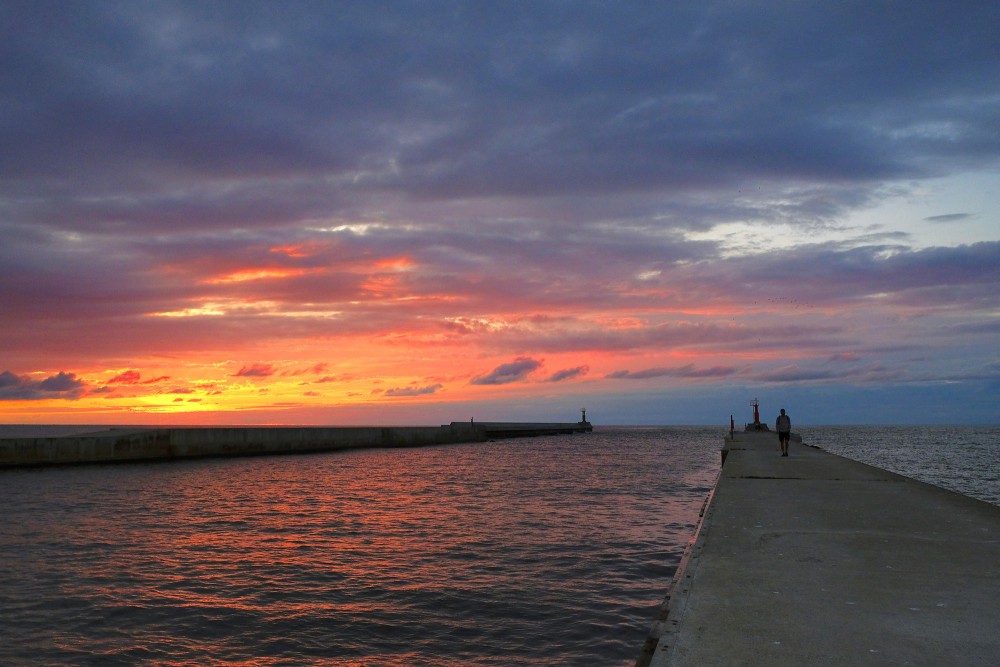
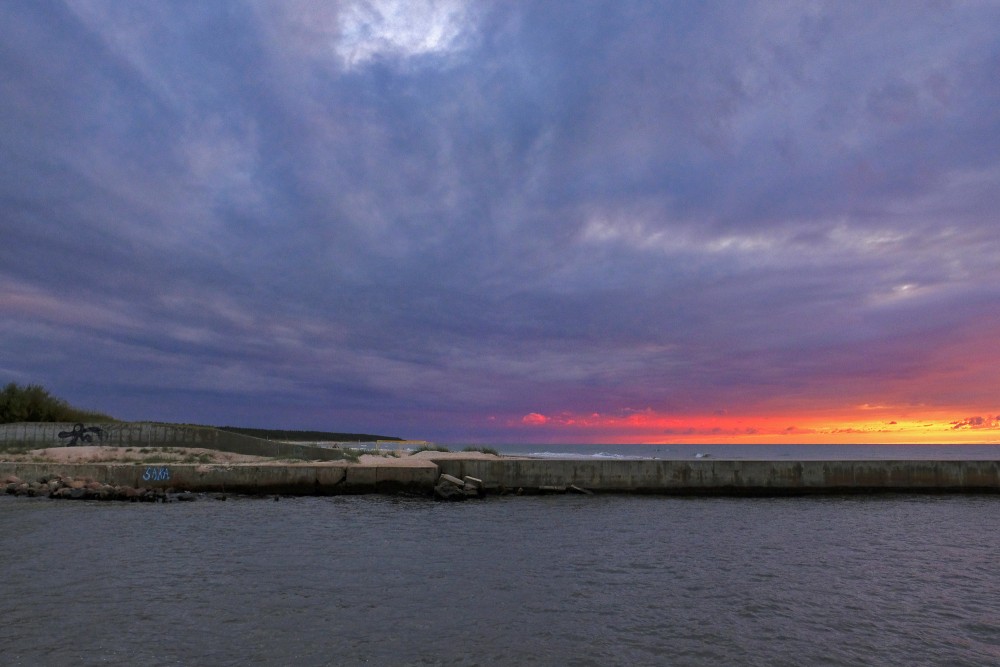
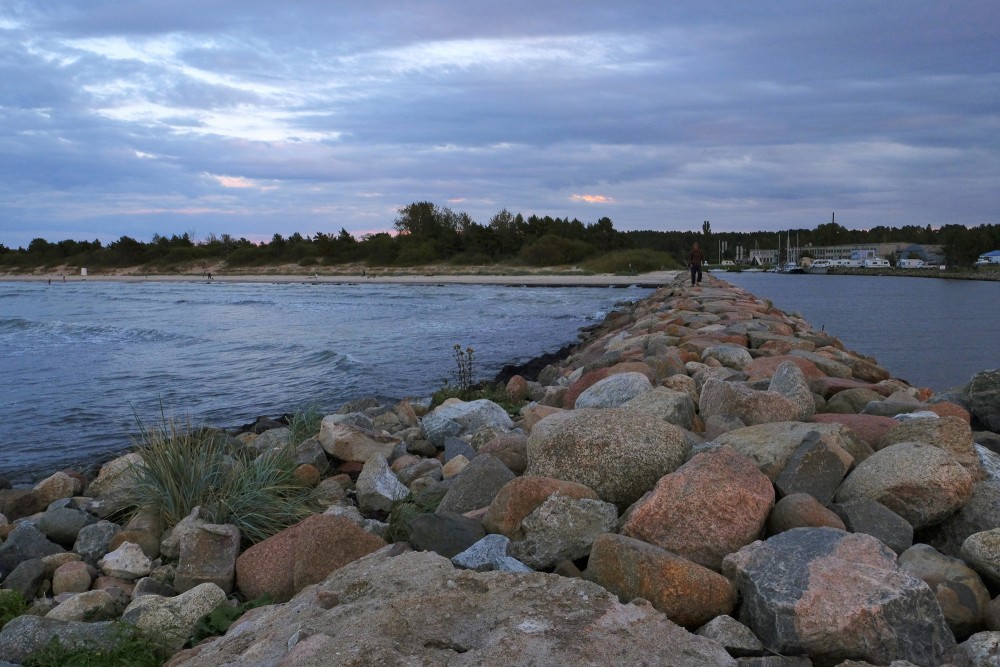
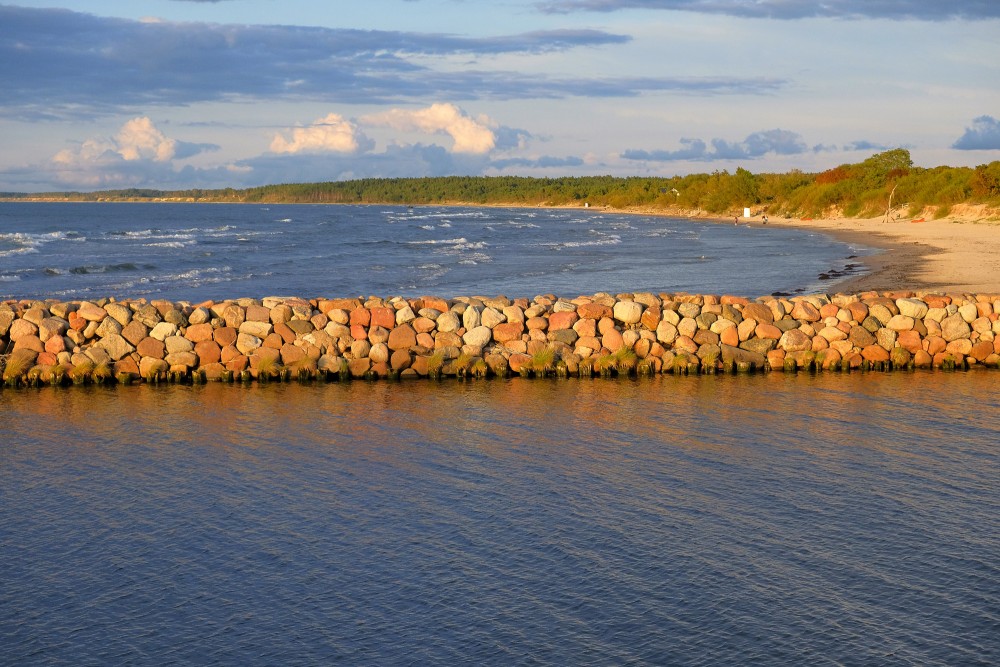
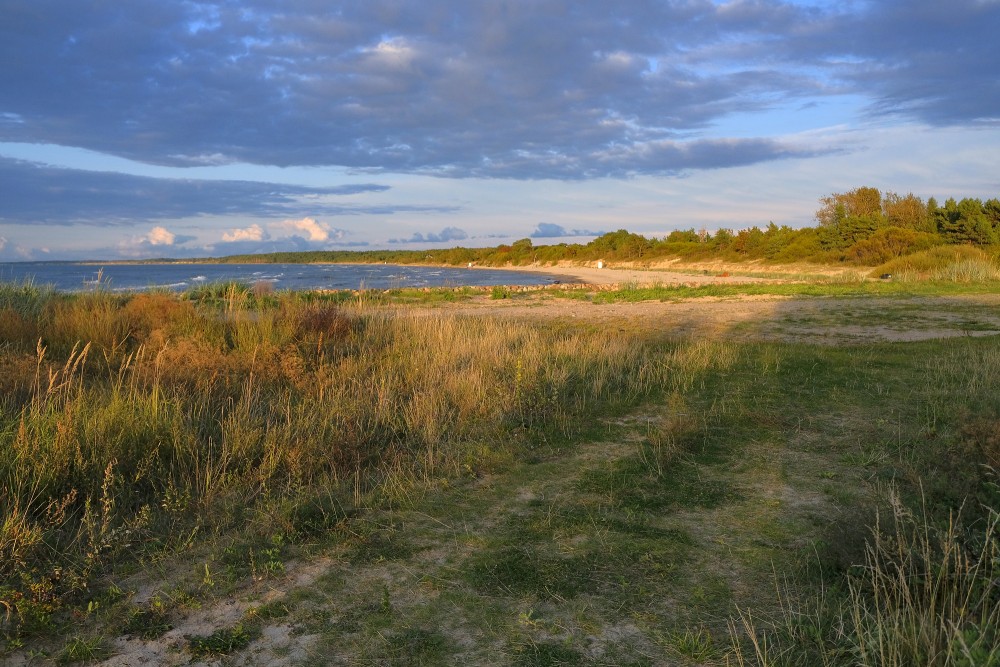
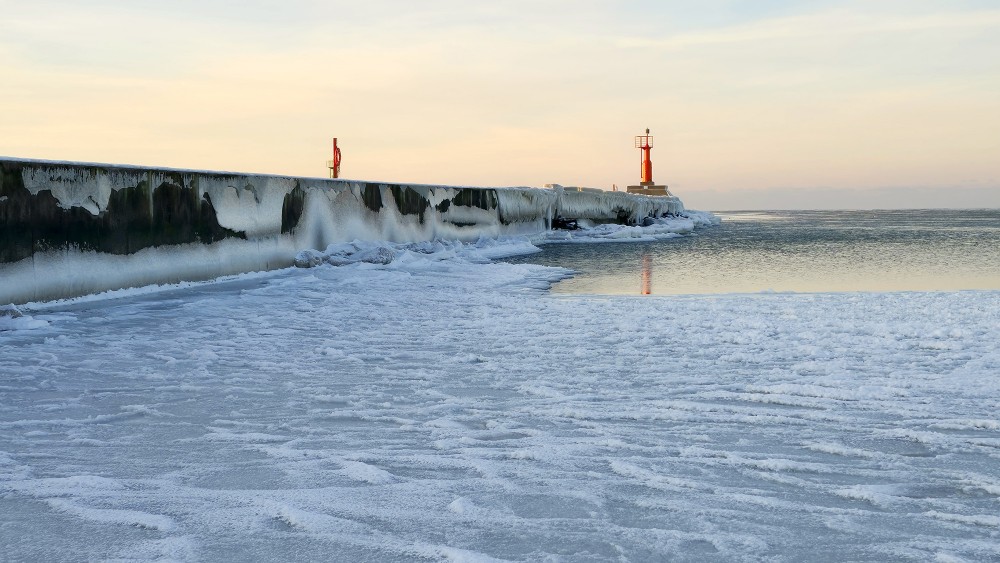
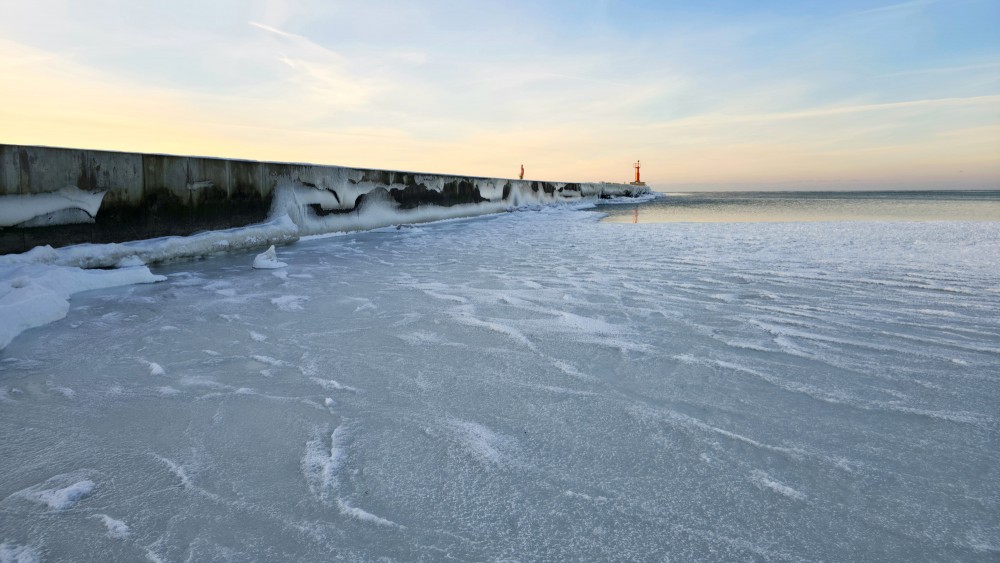
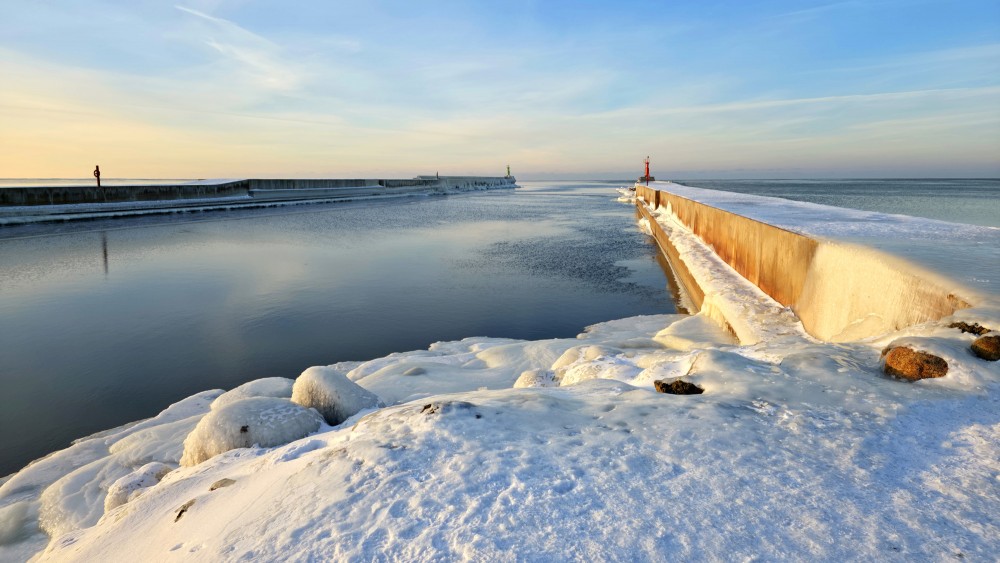
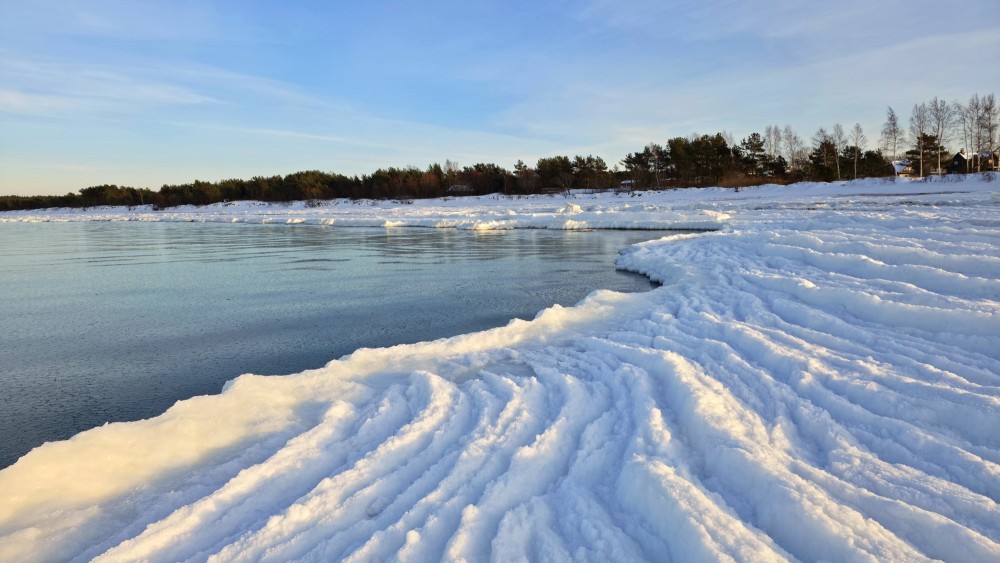
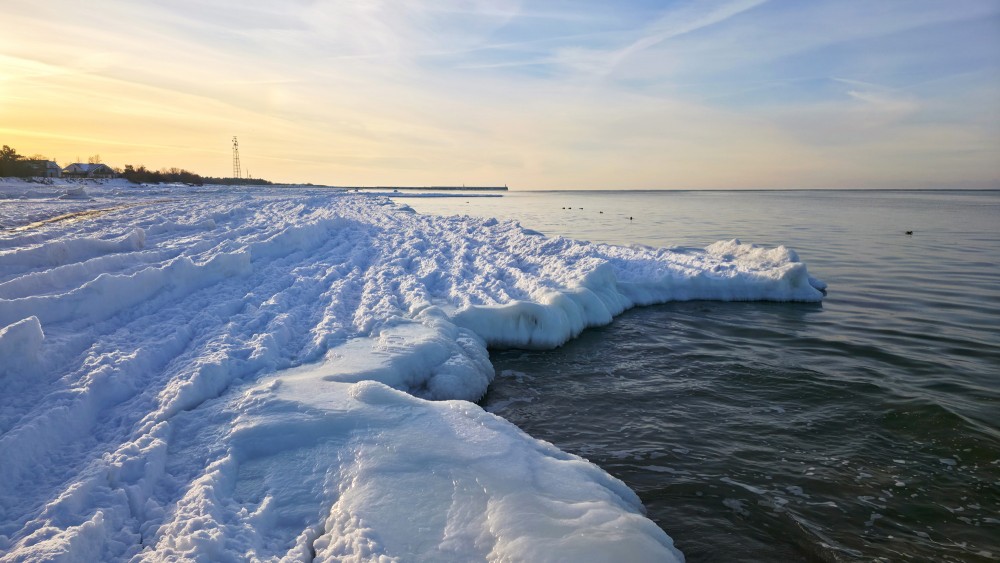
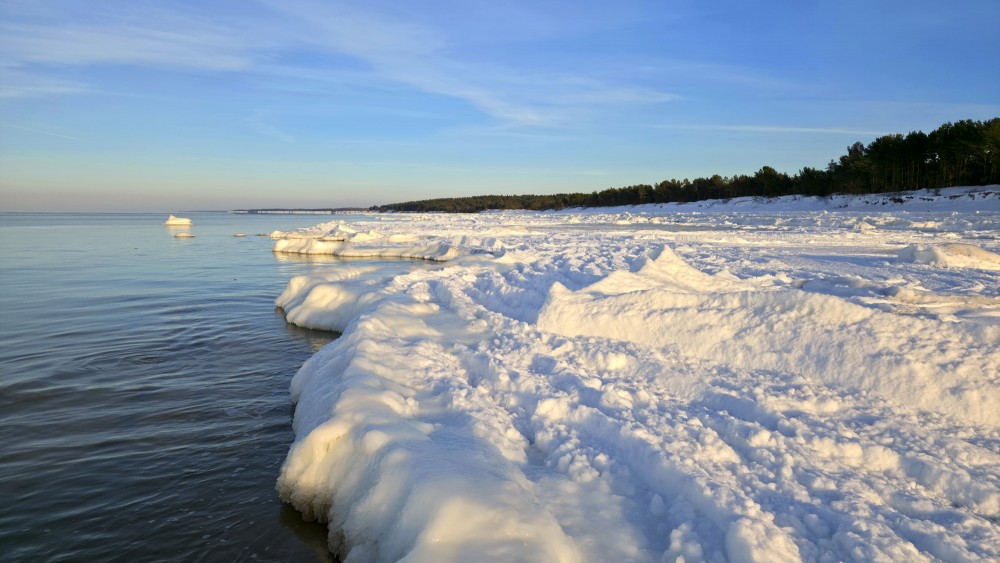
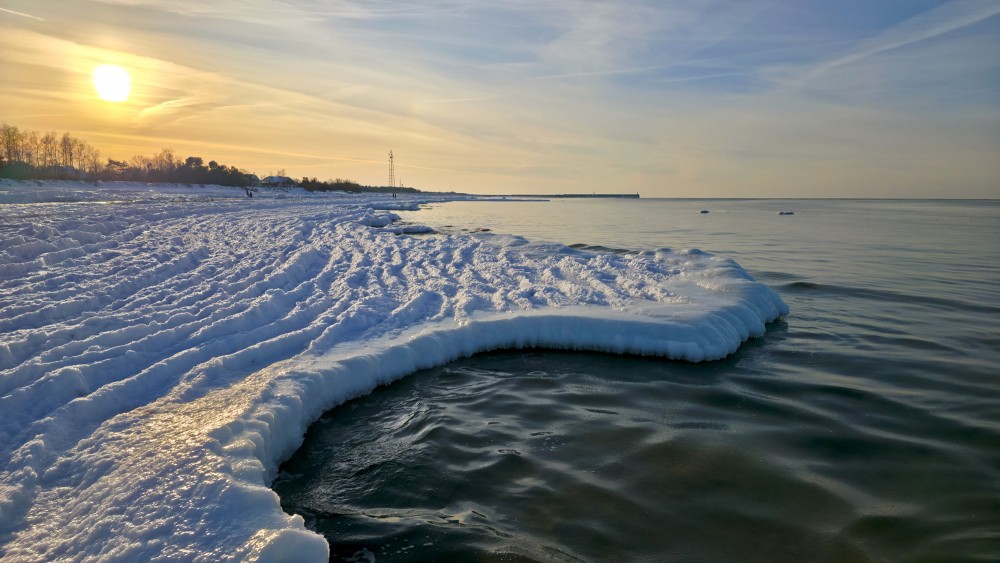


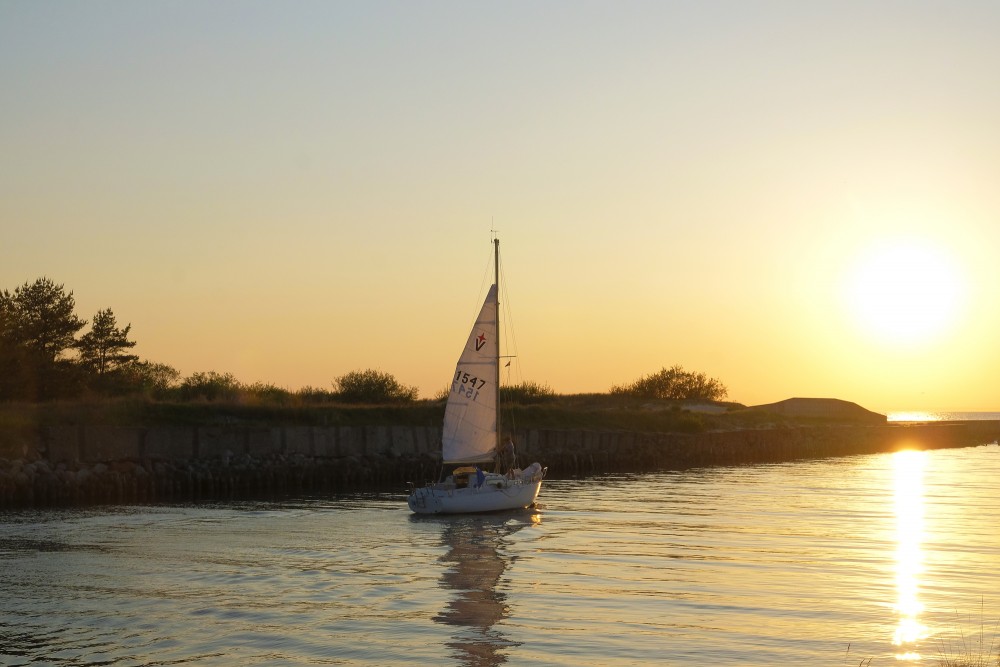
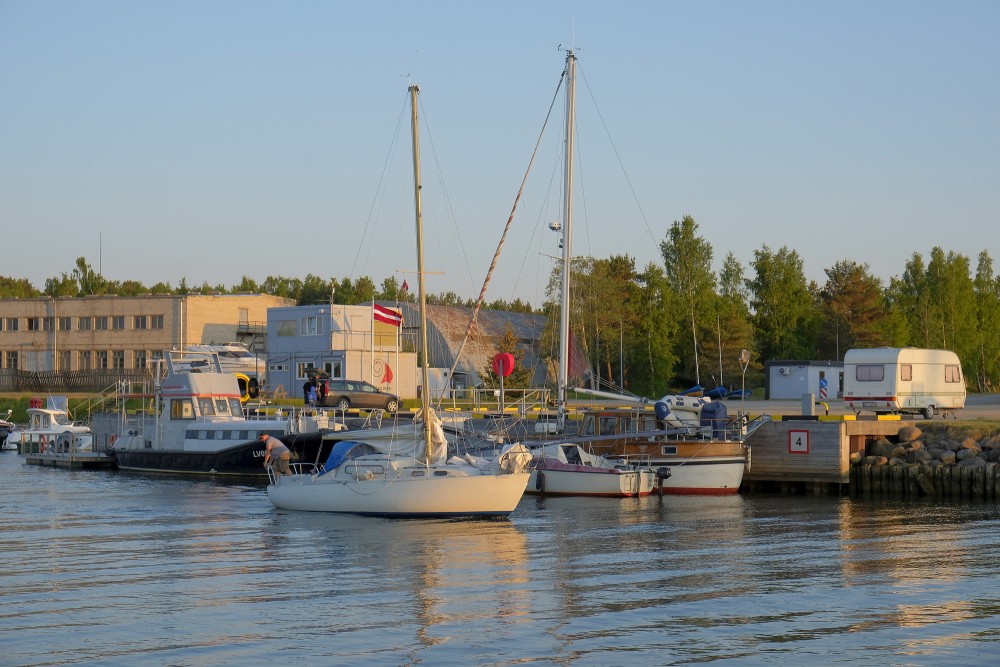
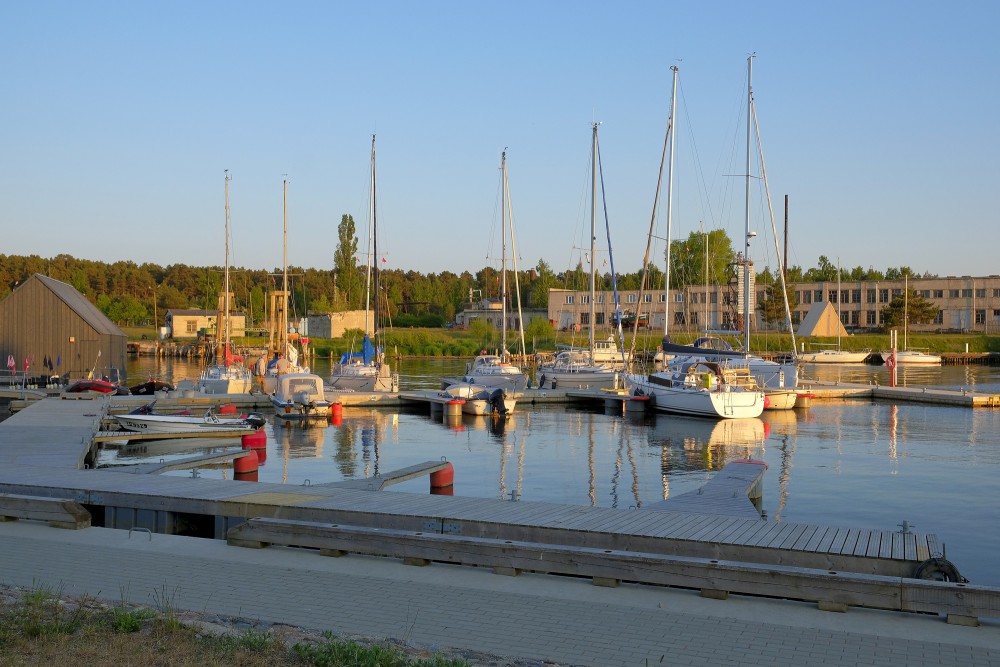


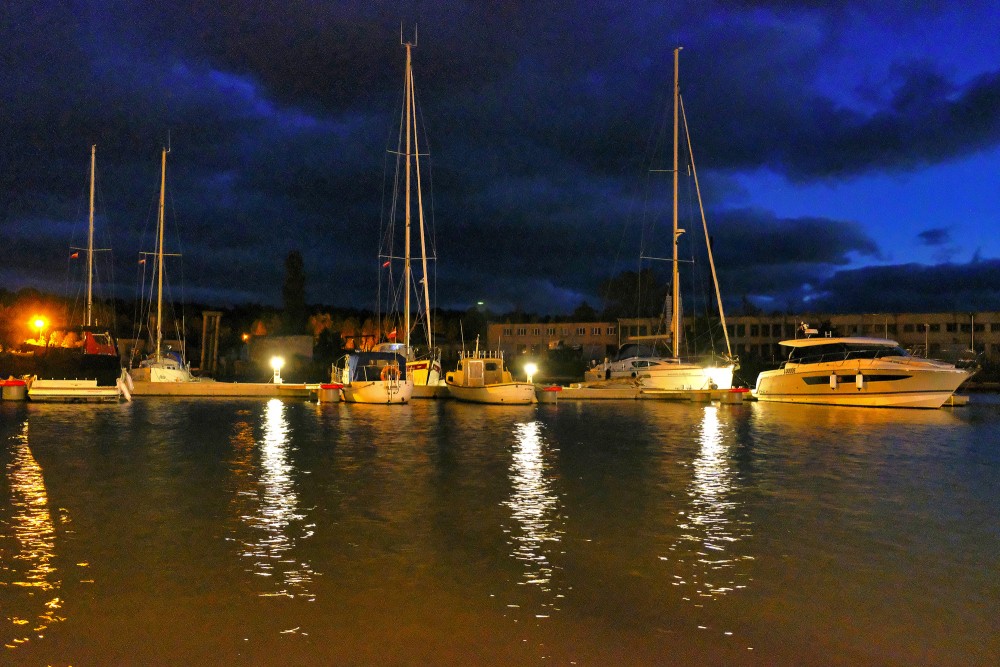


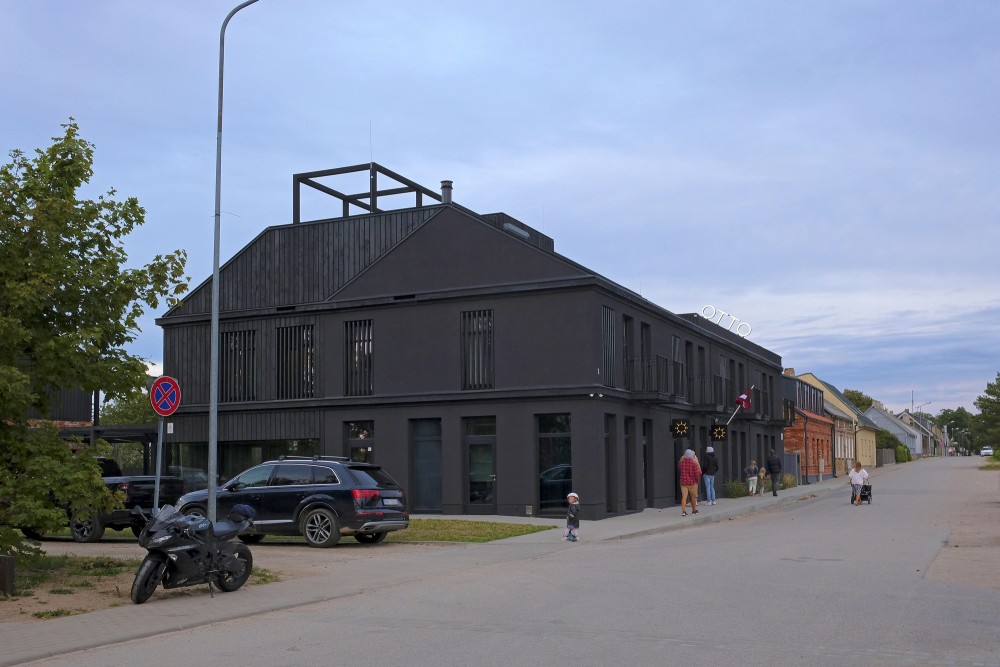
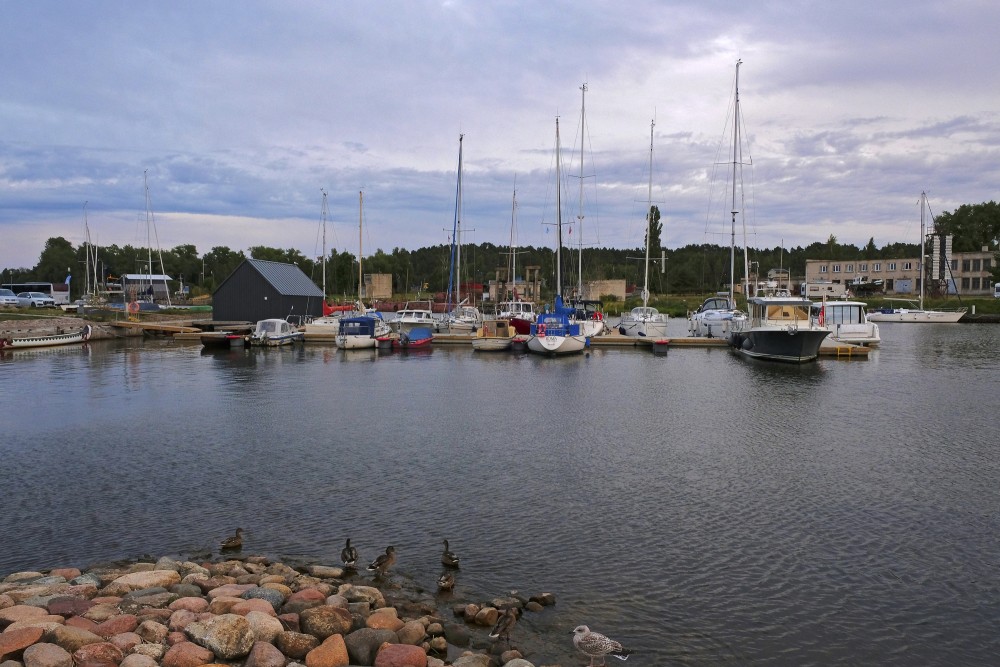


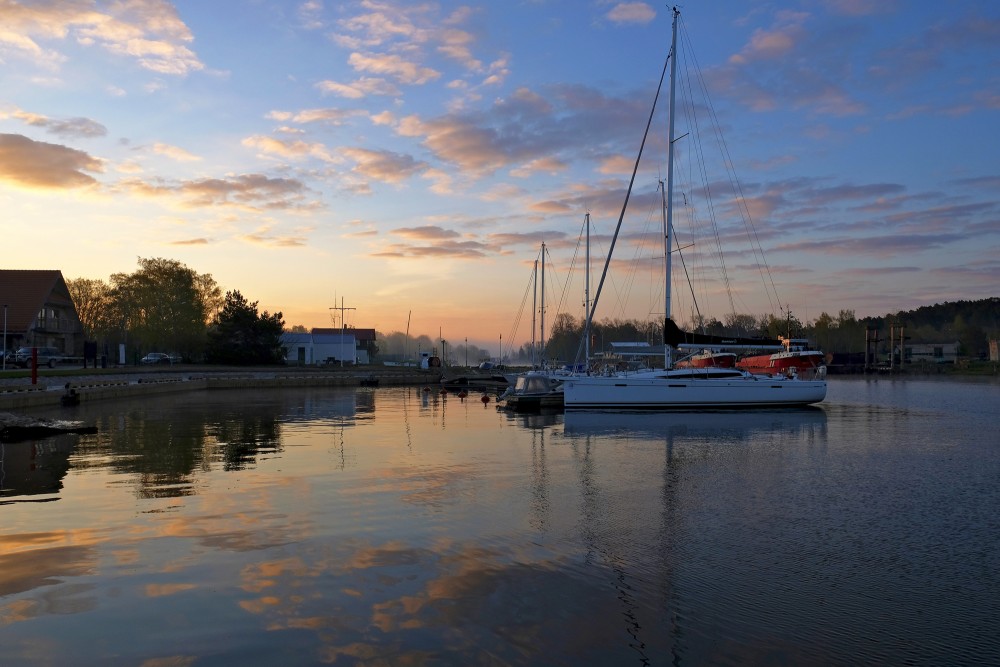

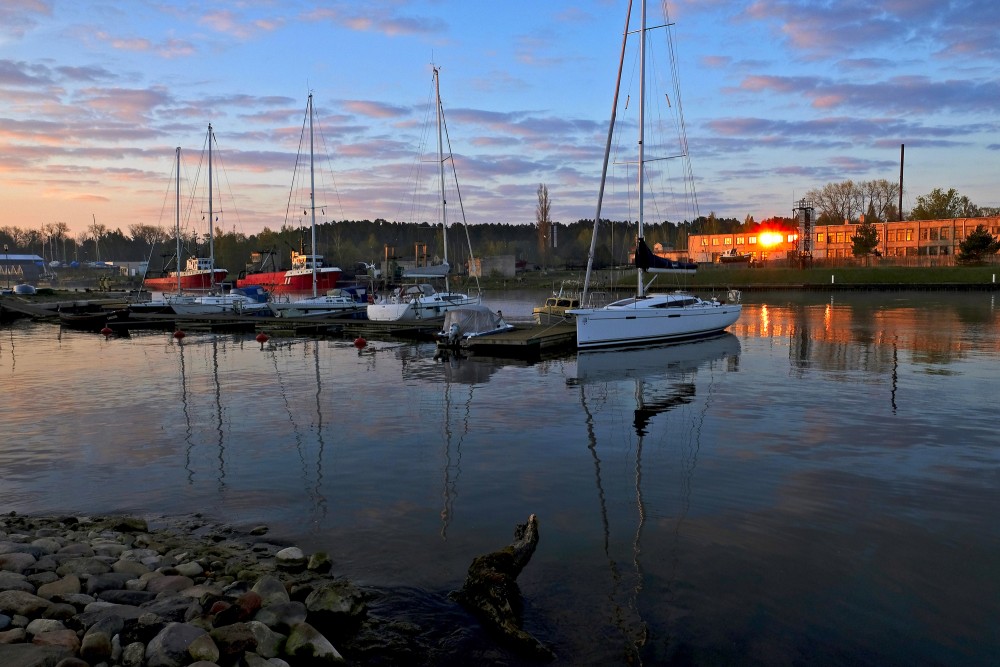
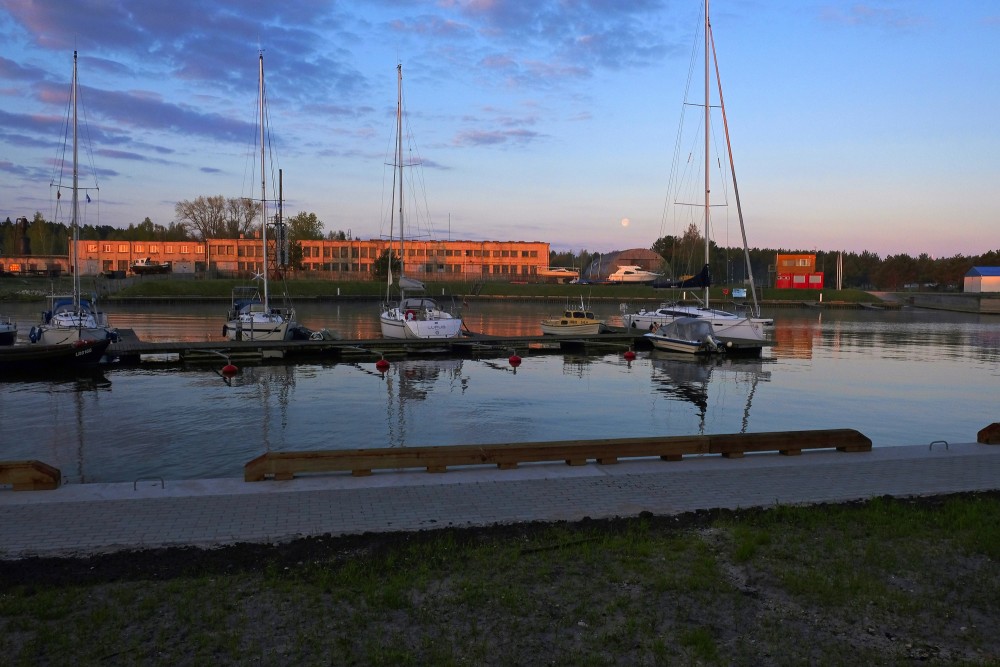




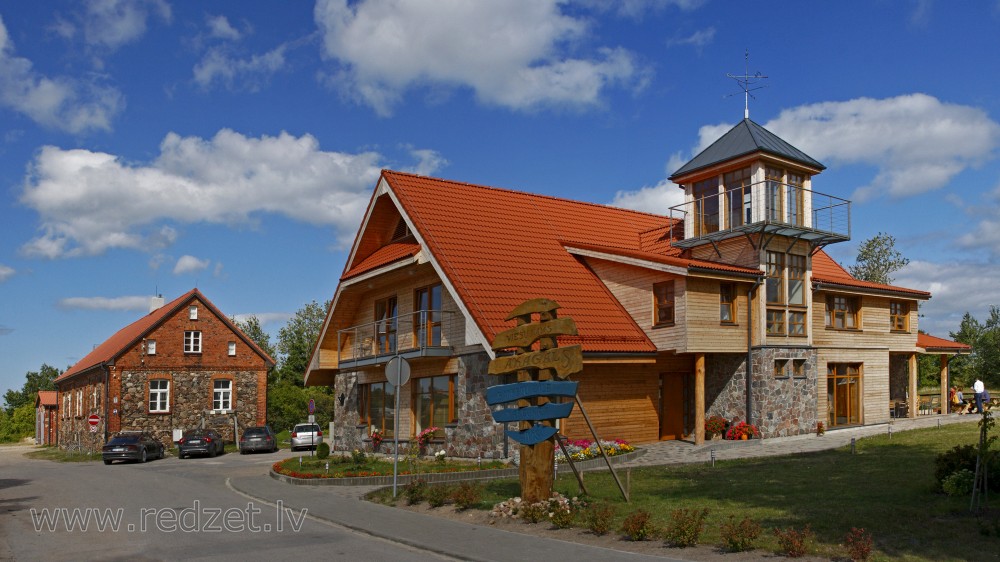
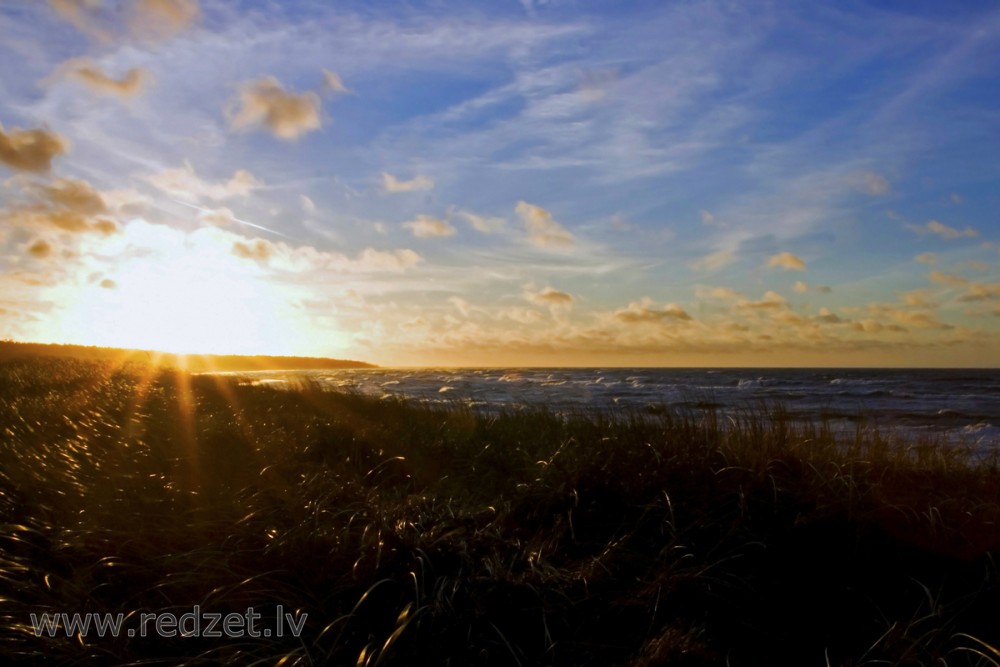

Pāvilosta is a small harbour town in South Kurzeme Municipality on Latvia’s western coast, at the mouth of the Saka River where it flows into the Baltic Sea. The town is known for its sandy beach, coastal dunes, fishing and yacht harbour, piers and peaceful seaside atmosphere. It is a popular destination for coastal walks, seaside relaxation, sailing and windsurfing.
History and architecture
Pāvilosta was founded in 1879, when German Baron Otto Friedrich von Lilienfeld established a harbour and settlement at the mouth of the Saka River. He named it Paulshafen in honour of his brother Paul von Lilienfeld, Governor of Courland. The harbour encouraged the development of shipping, fishing and boatbuilding. Before the First World War, several shipyards operated in the town.
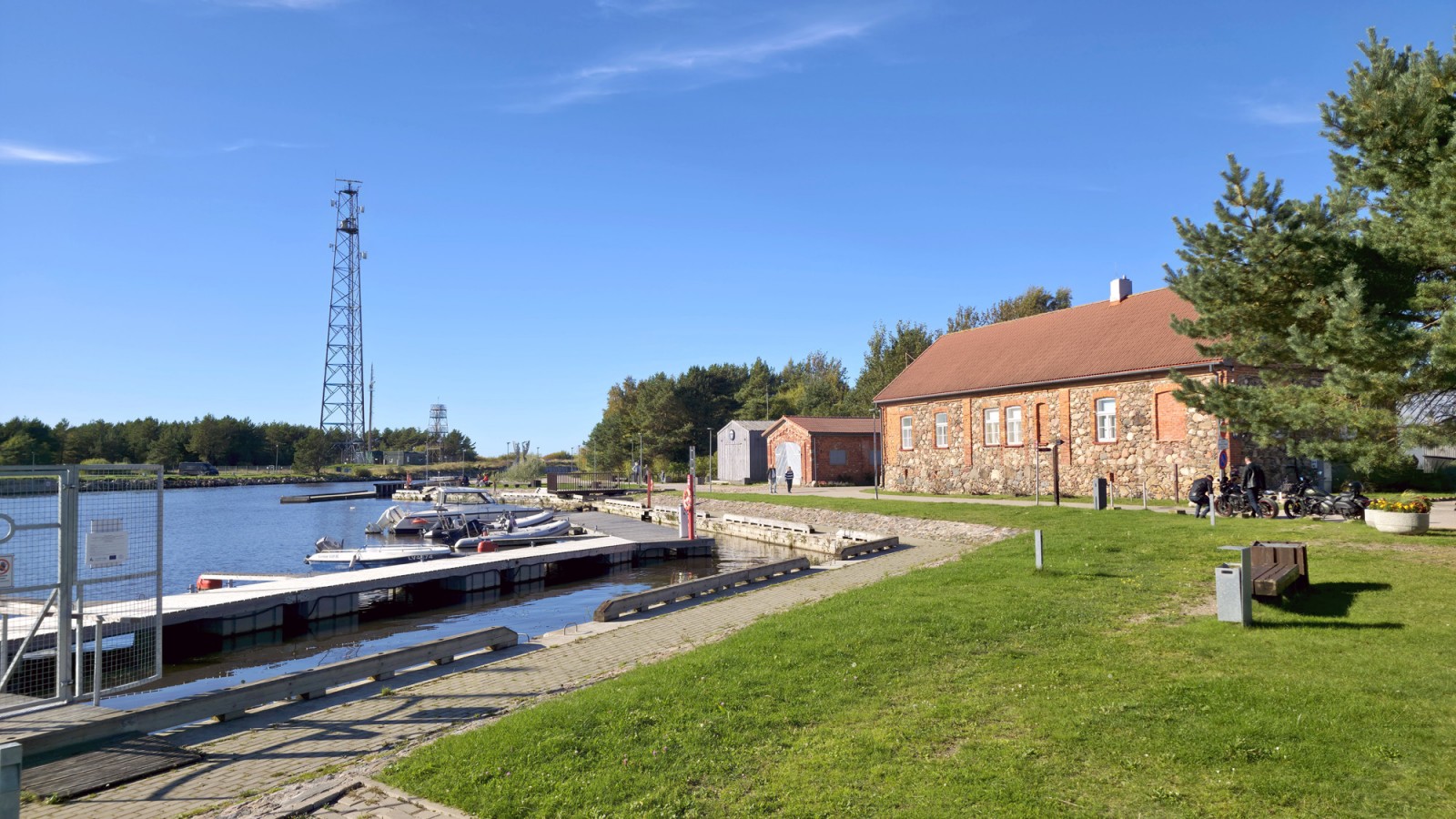
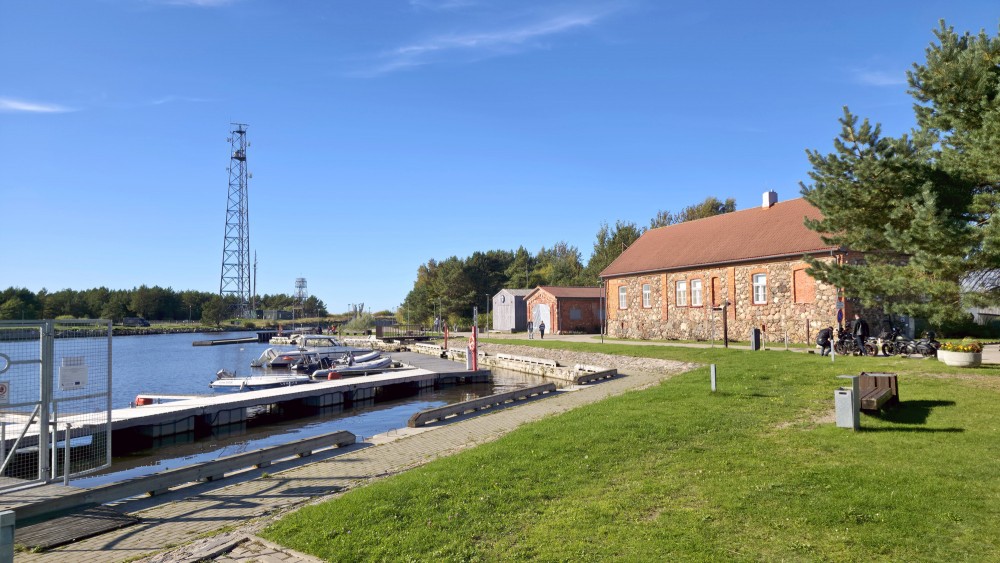
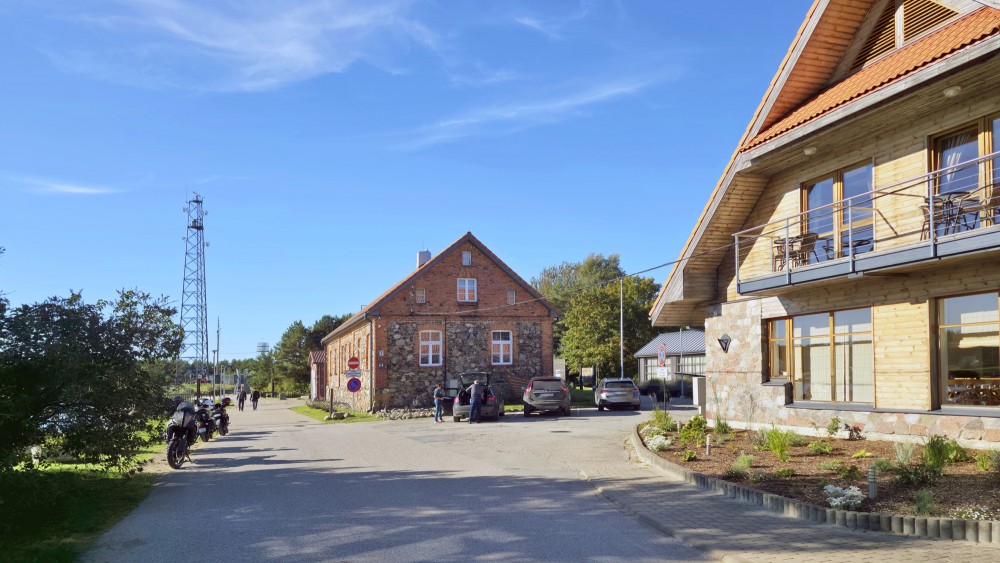
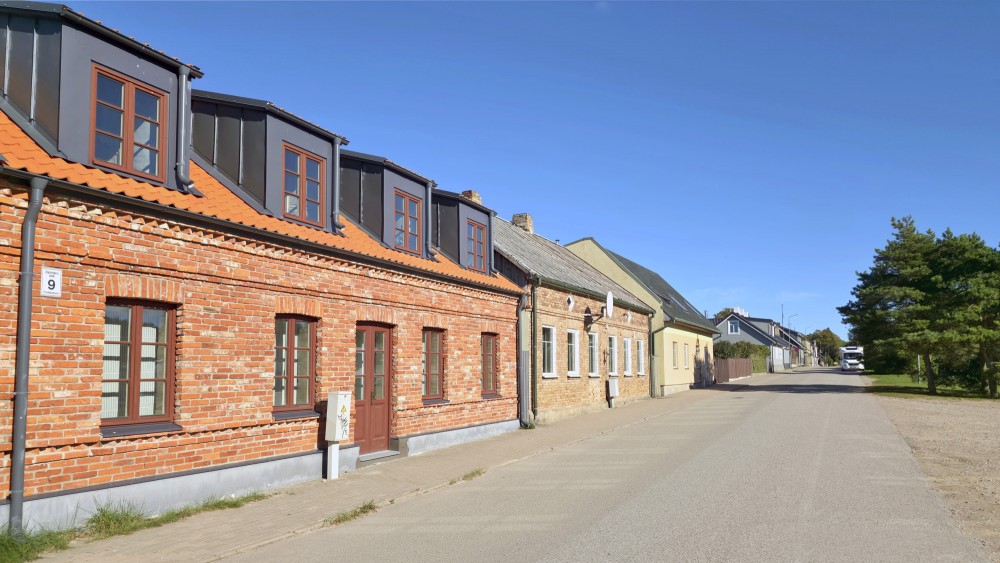
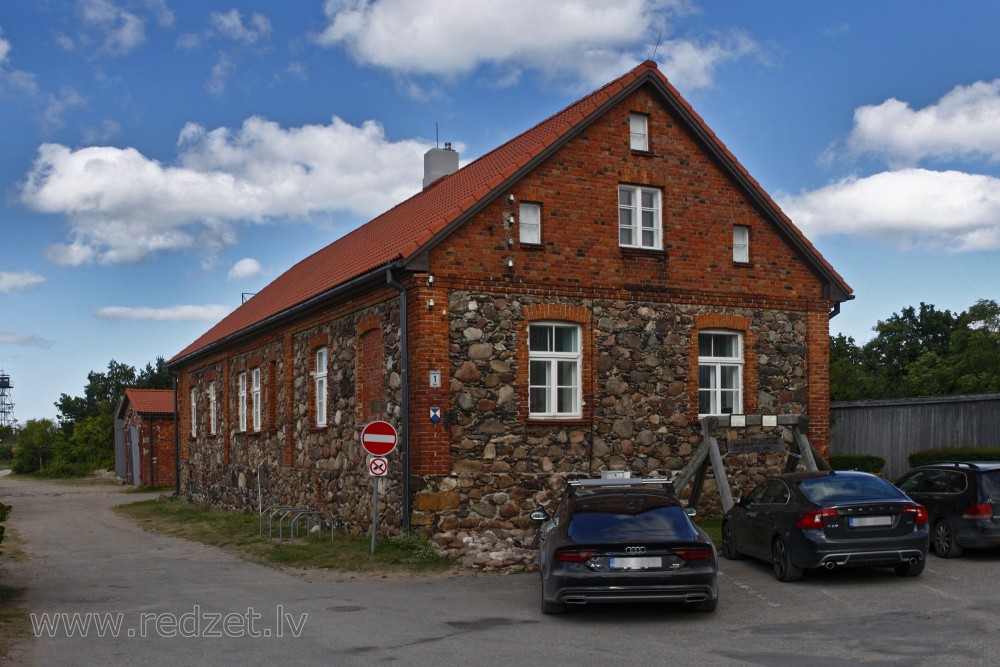
The historic townscape includes modest residential buildings, structures associated with fishing and seafaring, and harbour facilities. One of the most important historic buildings is the former pilot house, built in 1879 as Pāvilosta’s first masonry building. It now houses the Pāvilosta Local History Museum. The historic piers and coastal architecture add to the town’s distinctive character.
Promenade, piers and beaches
The Pāvilosta promenade is located next to the Local History Museum at 1 Dzintaru Street. It runs along the harbour towards the North Pier and the central beach. Visitors can watch fishing boats and yachts, enjoy the seaside atmosphere and take a walk along the coast. The promenade itself is approximately 200 metres long.
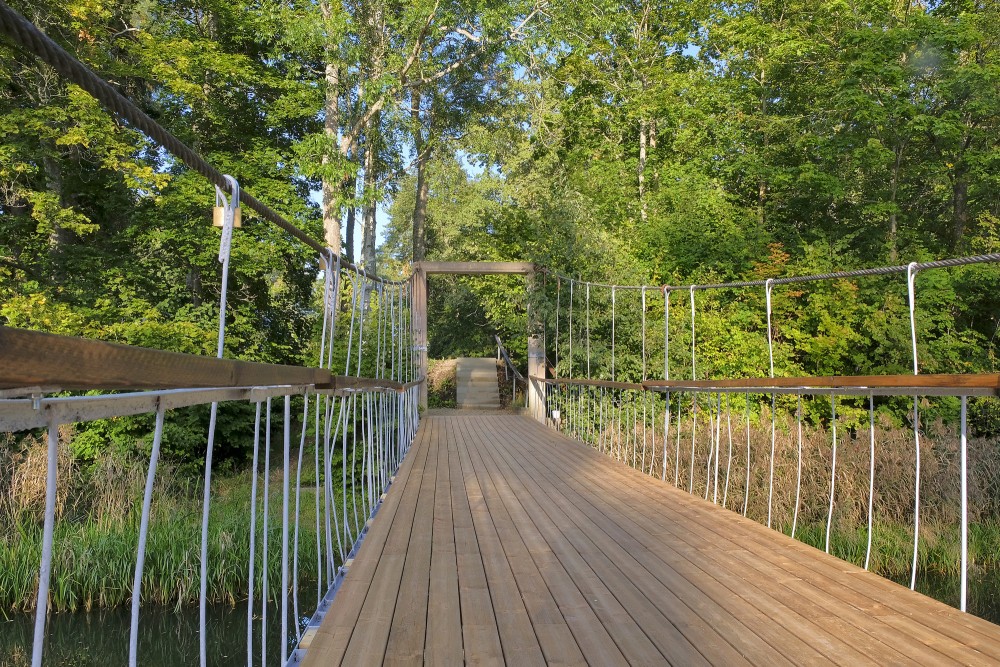
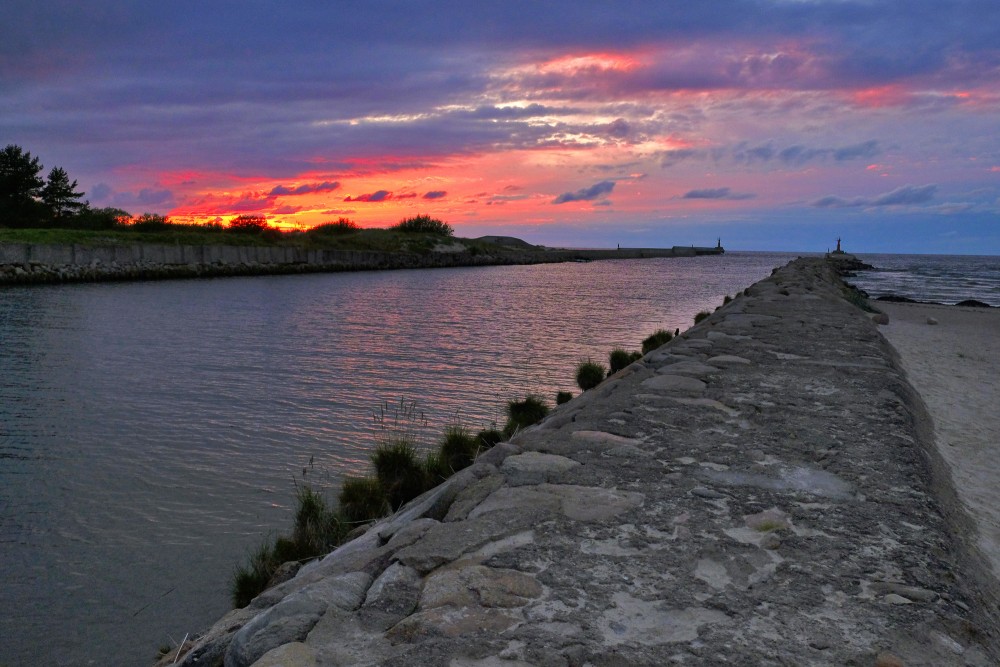
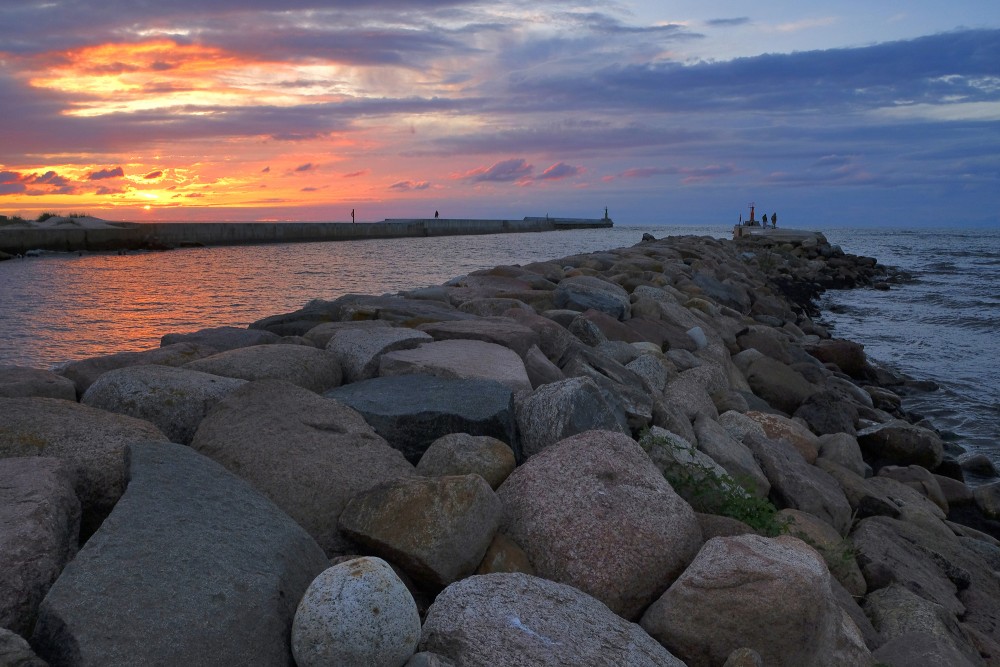
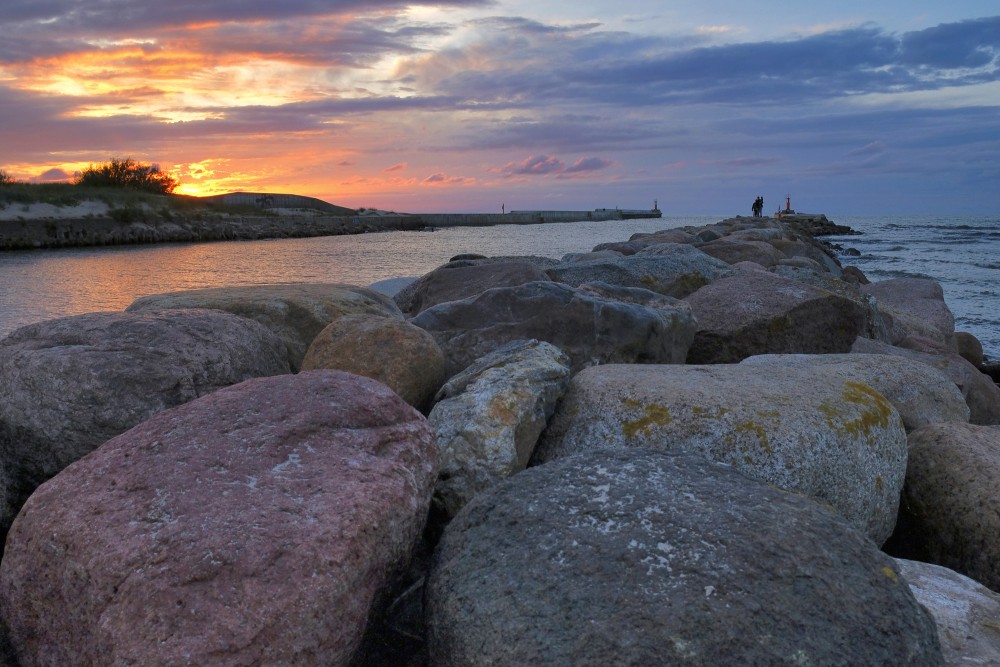
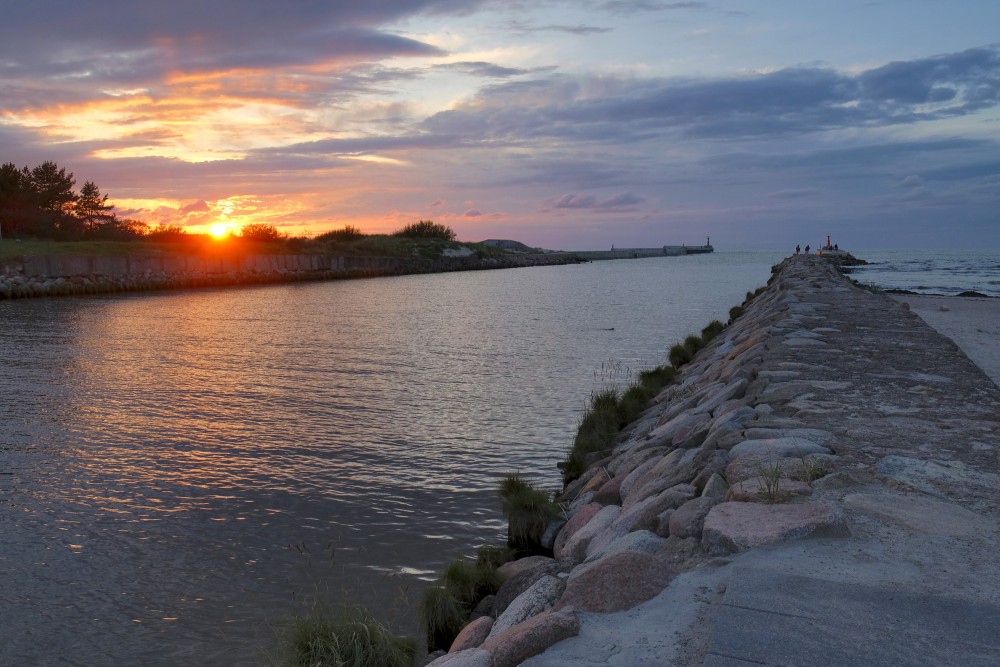
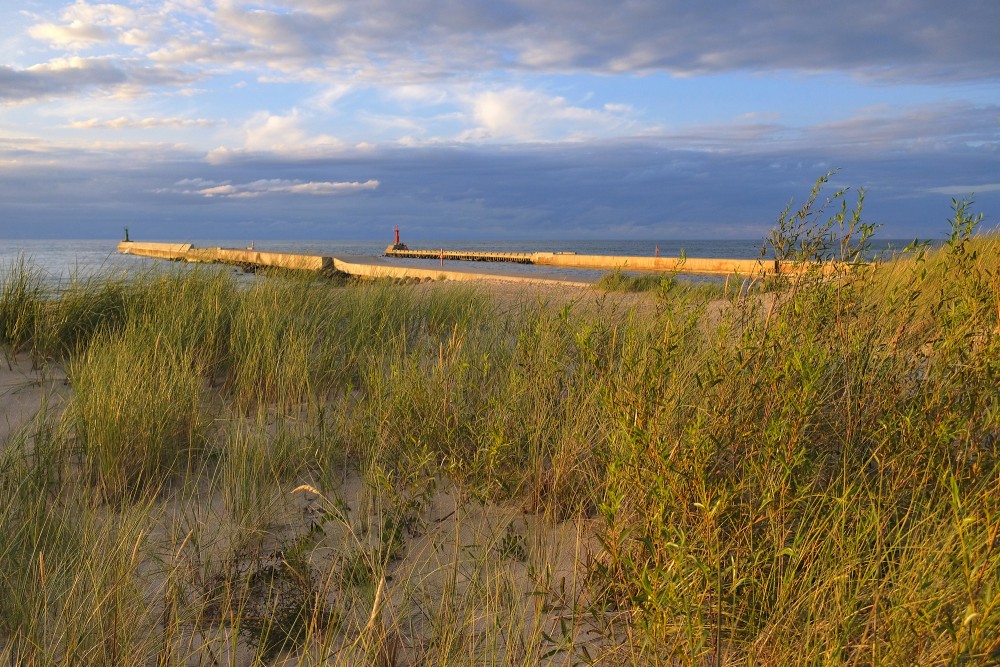
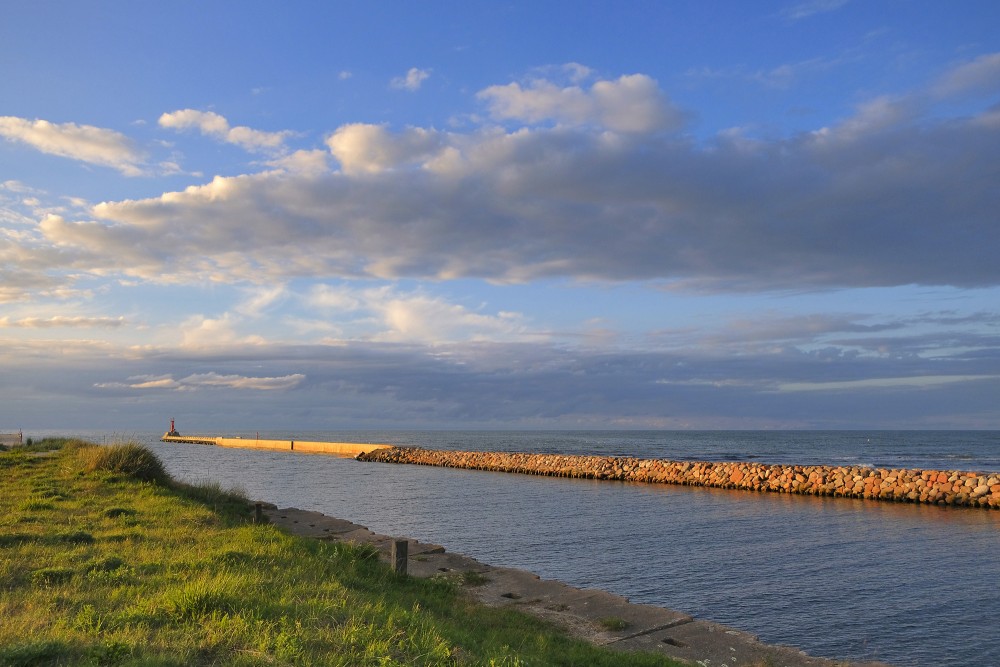
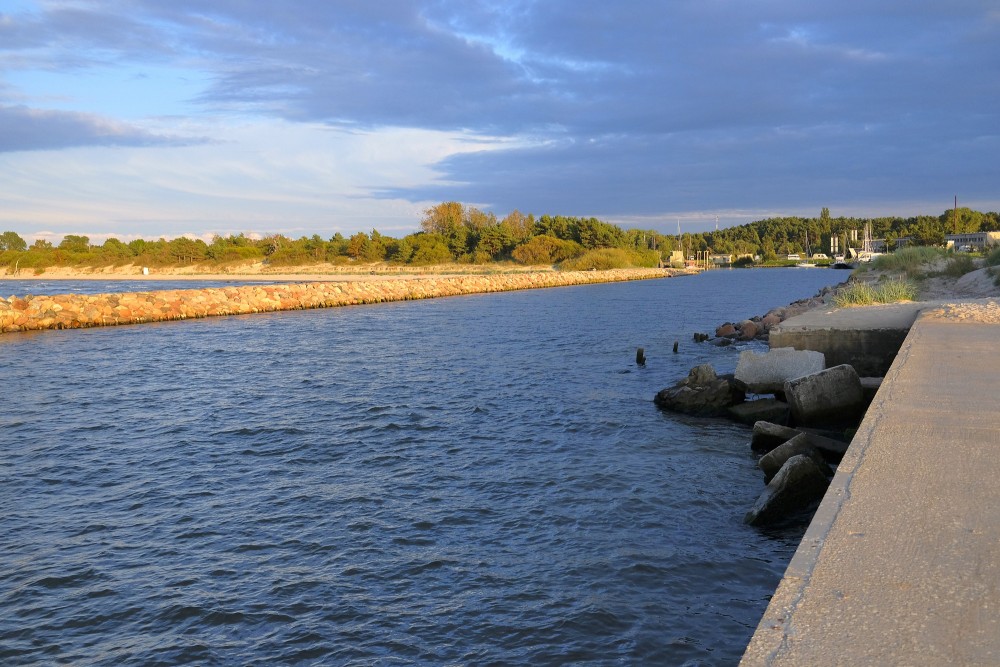
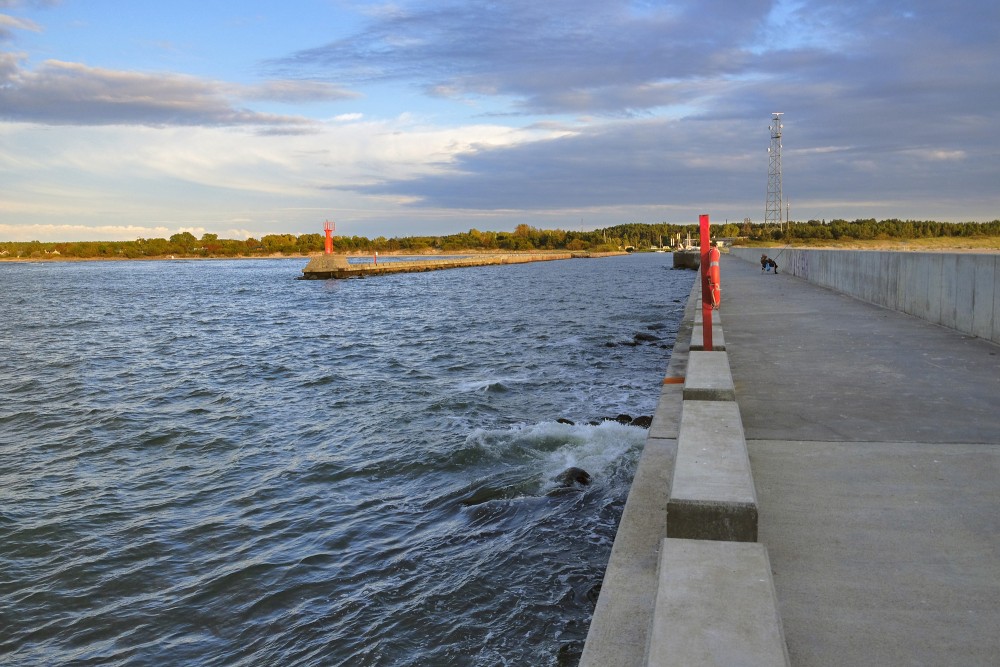
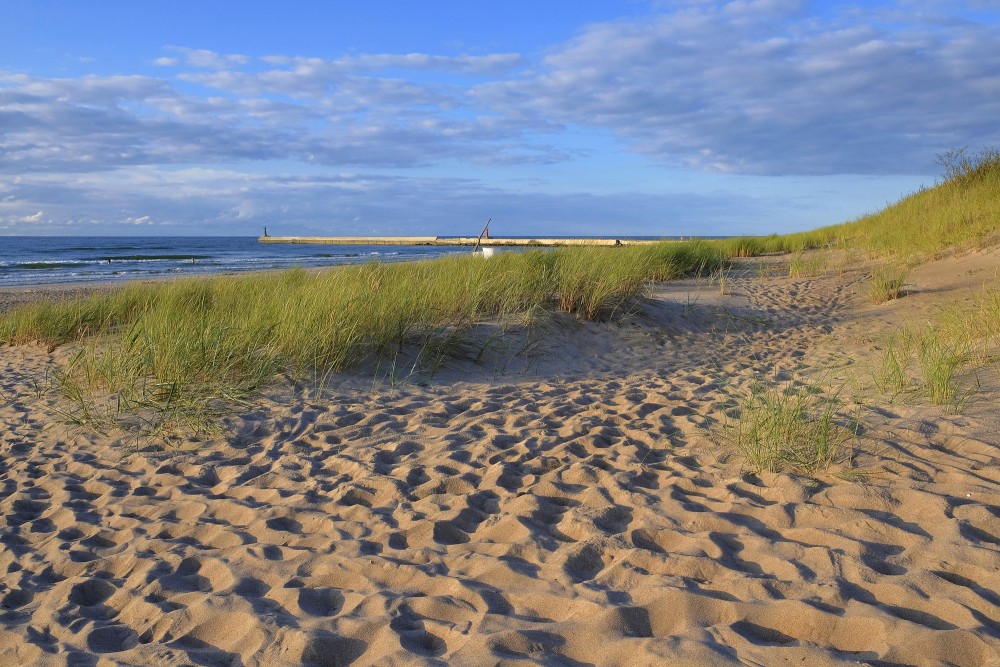
To reach the South Pier and South Beach, cross the bridge via Meža Street and continue along Ostmalas Street. The North and South Piers frame the mouth of the Saka River where it flows into the Baltic Sea and form an important part of the harbour infrastructure. Both are popular walking destinations, offering views of the sea, harbour and coastline.
Waterways and natural attractions
The Saka River and Baltic Sea
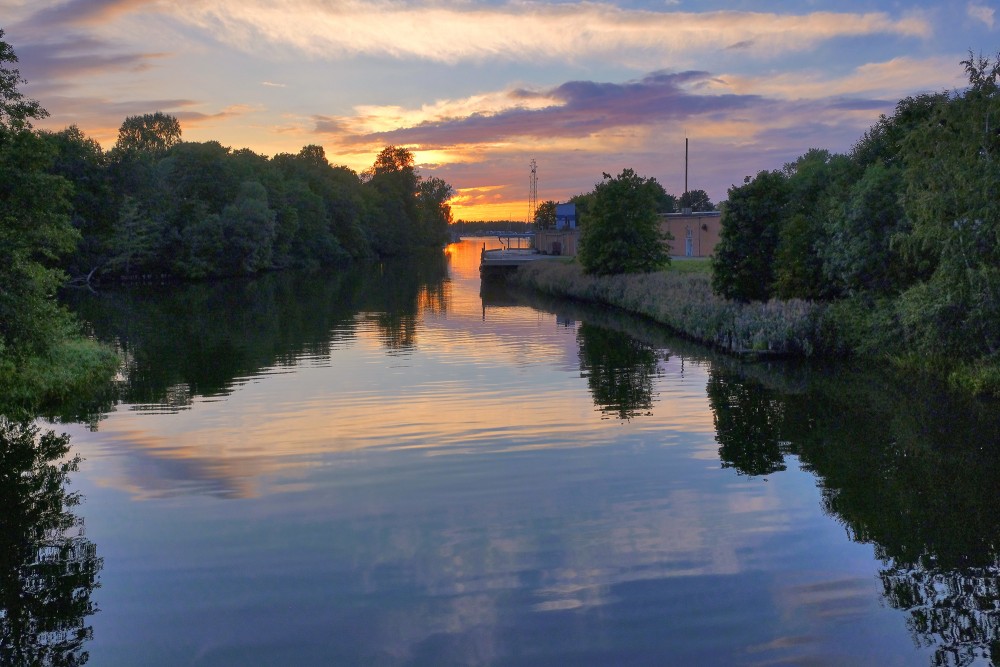
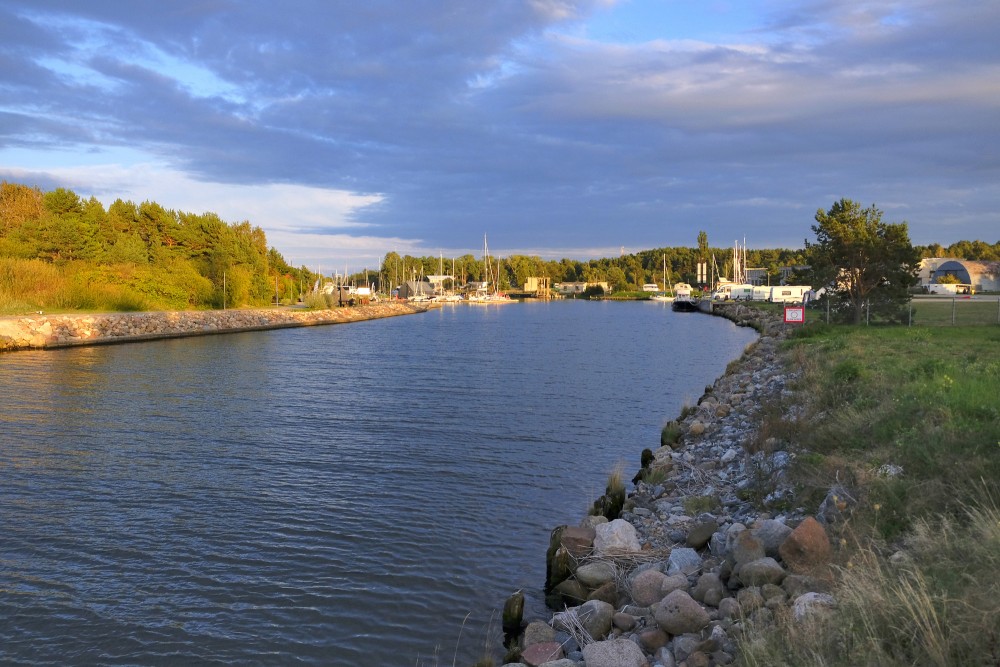
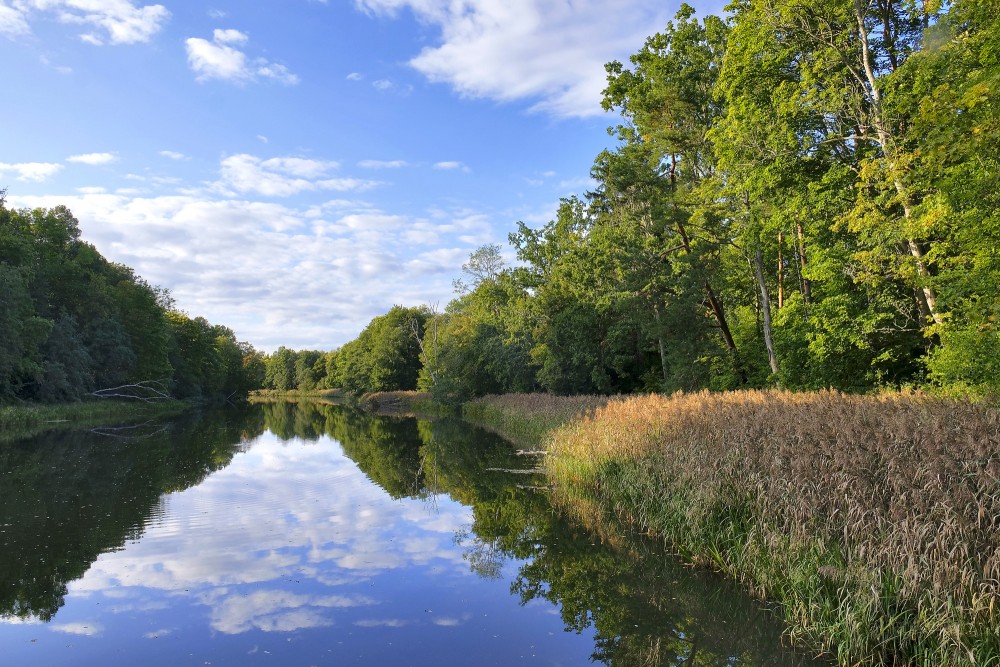
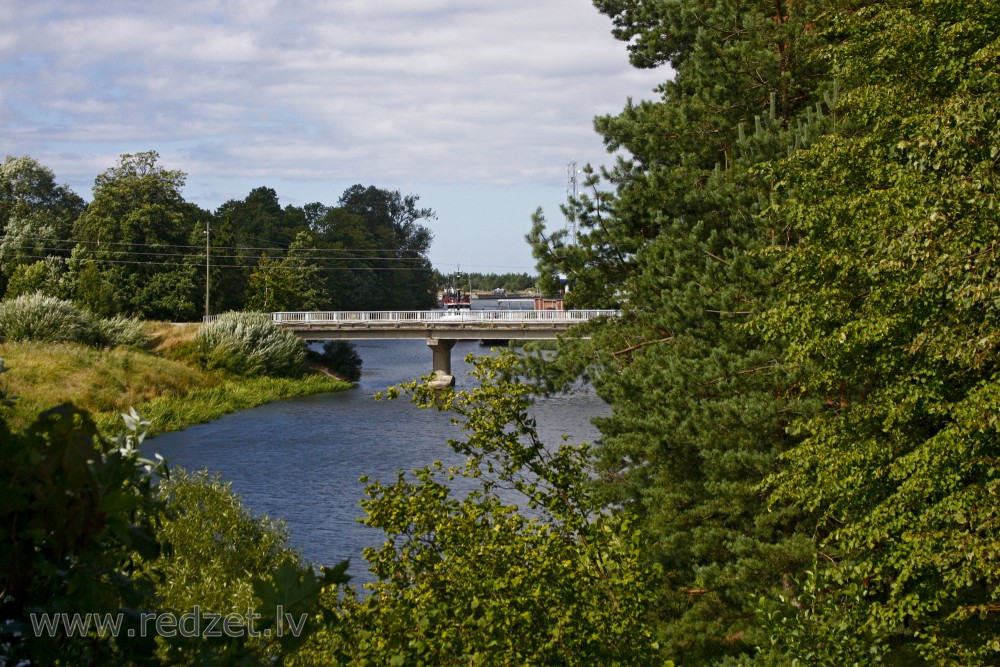
The Saka River flows into the Baltic Sea beside Pāvilosta Harbour. The river mouth, yacht berths and coastline create the town’s characteristic maritime landscape. The water is closely connected to Pāvilosta’s history, fishing traditions and recreational activities.
Pāvilosta Grey Dune
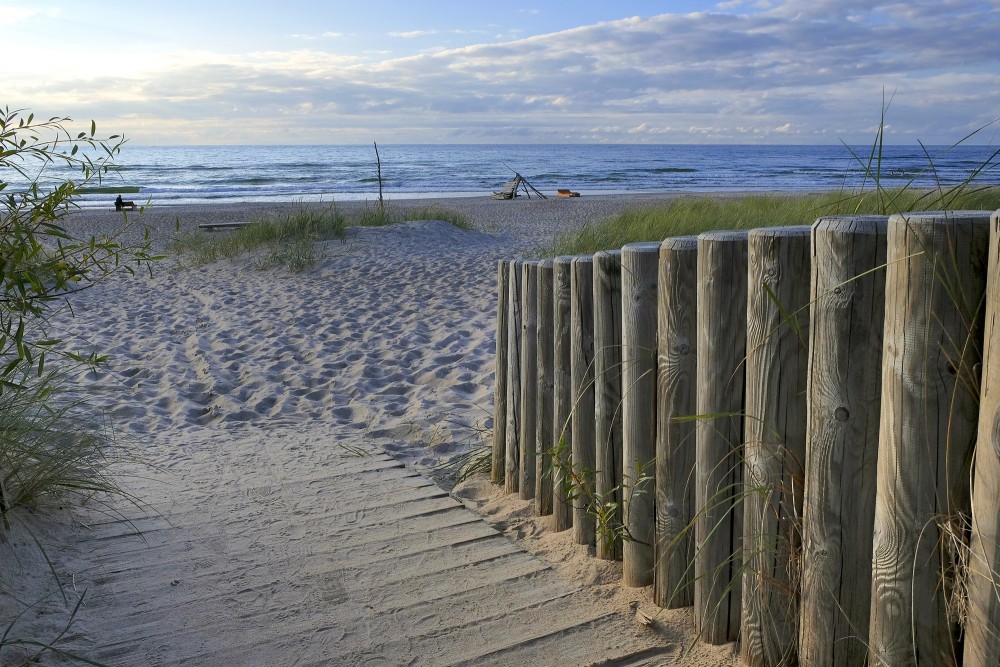
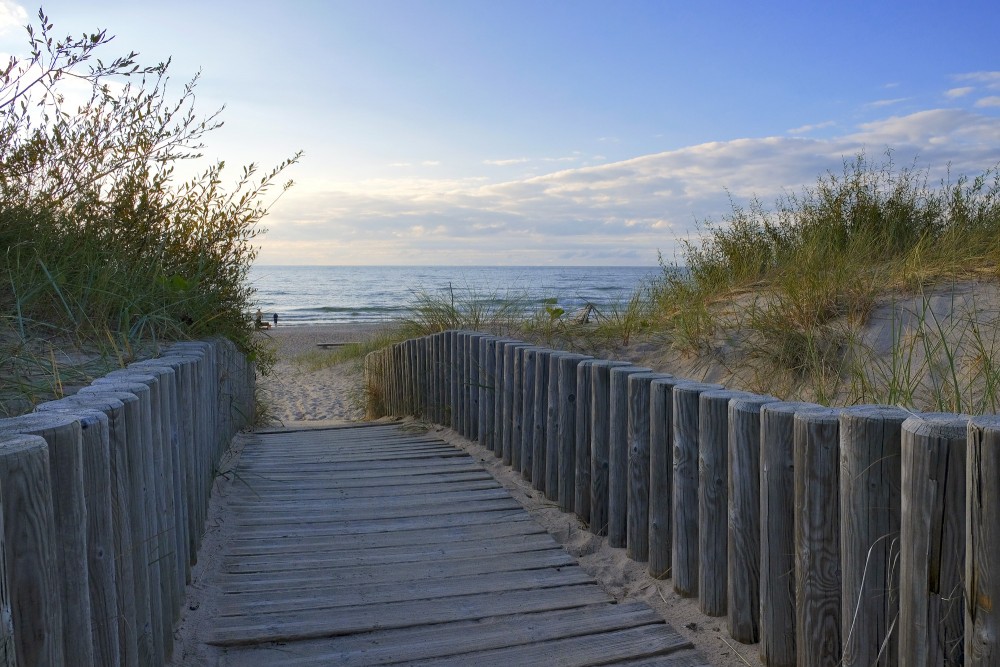
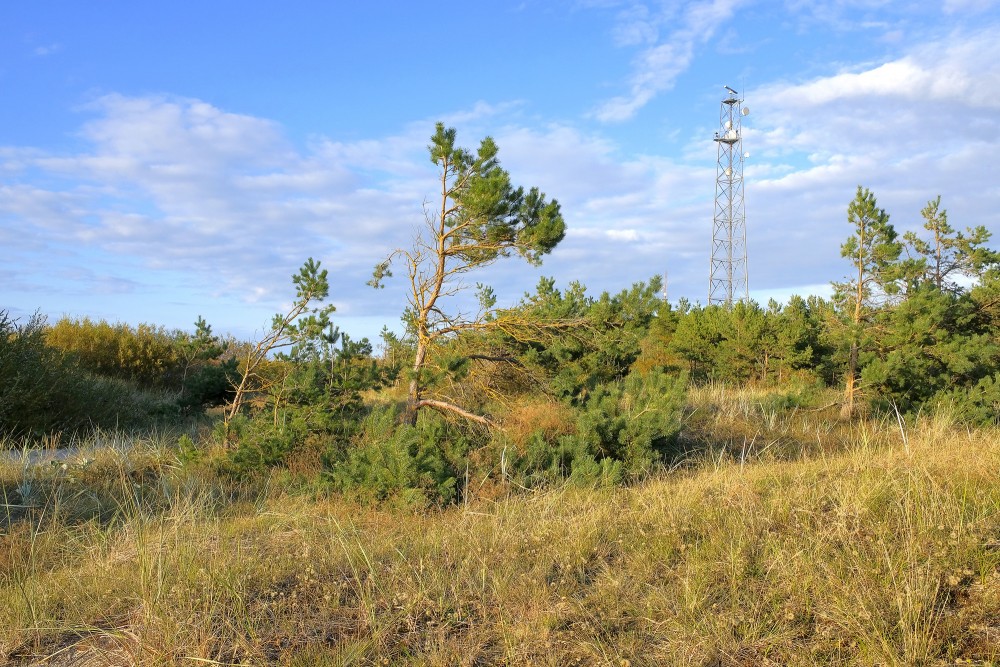
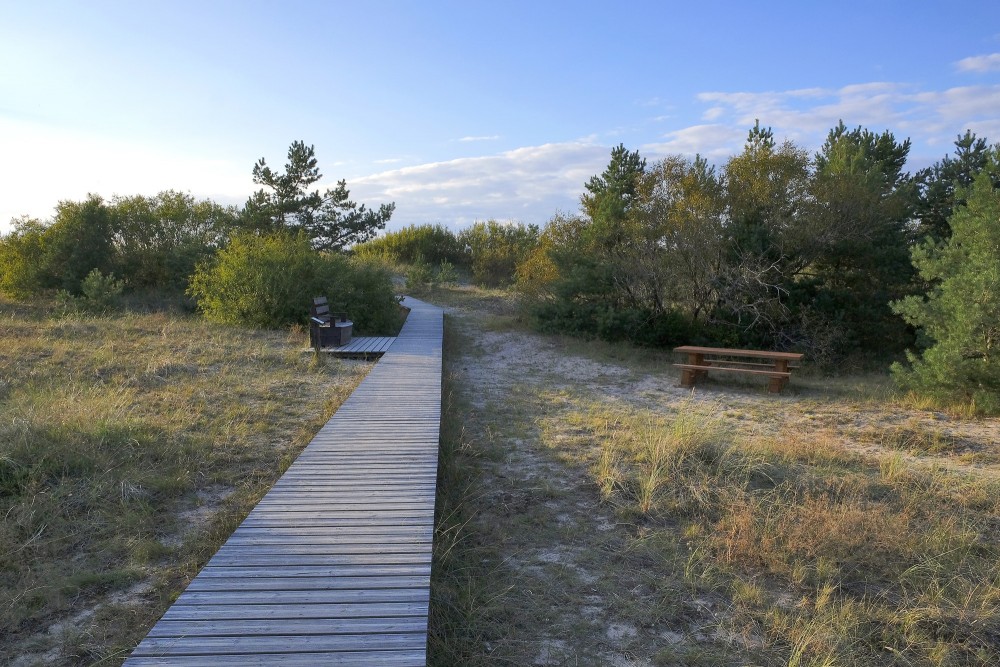
The Pāvilosta Grey Dune is a protected natural area containing one of Latvia’s most extensive grey dune habitats. It features distinctive coastal terrain and valuable plant communities. A boardwalk and viewing platform provide opportunities to explore the landscape. Visitors should protect the fragile vegetation and remain on designated paths.
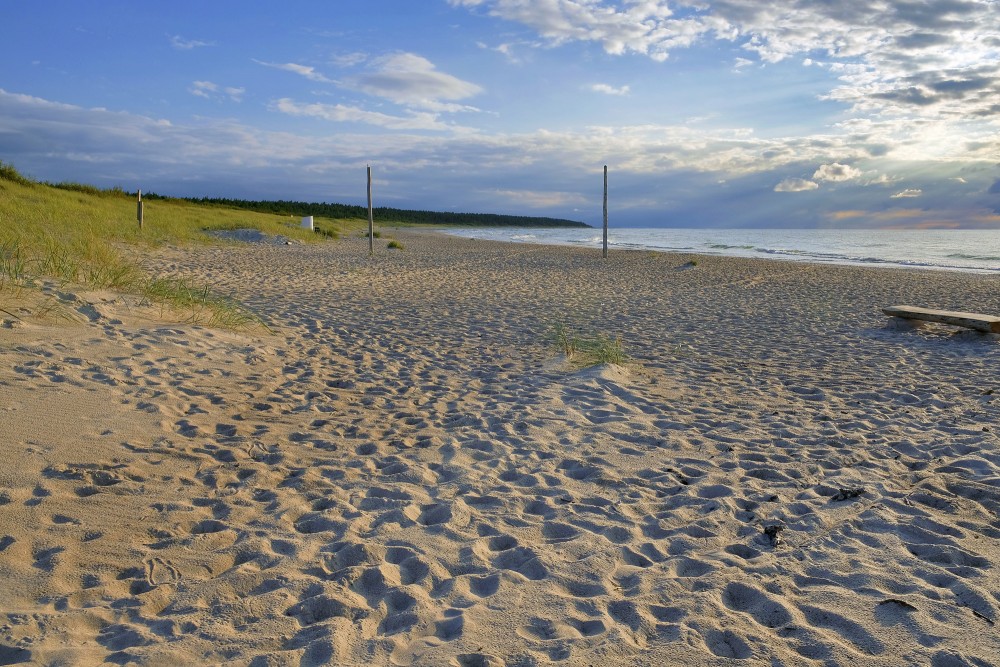
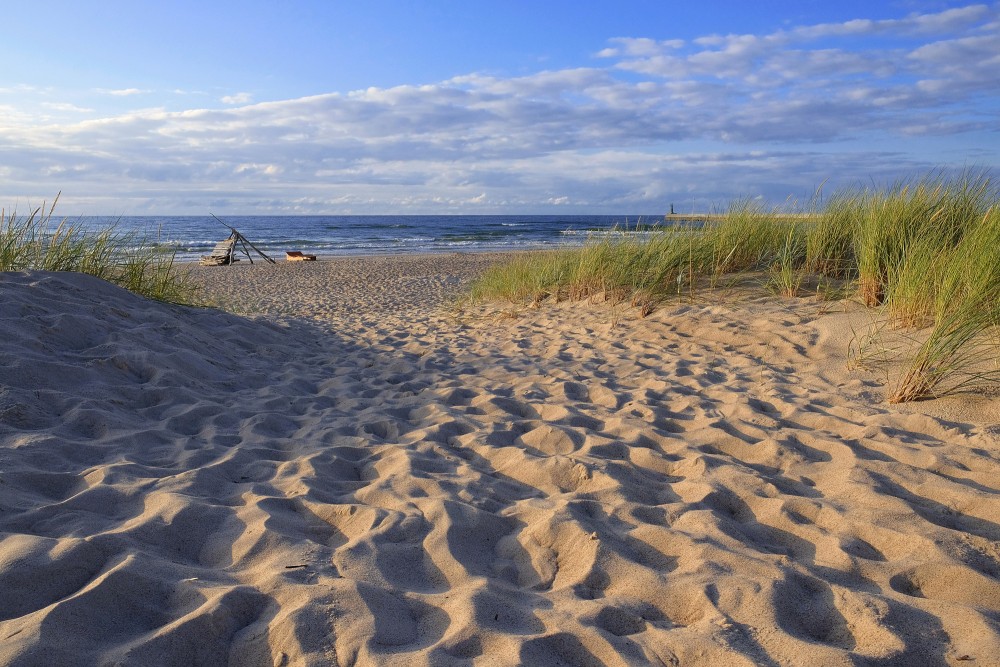
Pāvilosta Beach is one of the town’s main recreational areas. Its broad sandy shore is suitable for walks, landscape photography and swimming in warmer weather. The coastal winds also attract windsurfing enthusiasts and participants in other wind-powered sports. The surrounding coastline offers opportunities for longer walks and enjoying the natural scenery.
Museums and cultural attractions
Pāvilosta Local History Museum
The museum is housed in the historic pilot house at 1 Dzintaru Street. Its exhibitions introduce visitors to the history of Pāvilosta and the Saka area, local fishing traditions, everyday life and the restricted border-zone regime during the Soviet period. It is a useful stop for understanding the town’s historical development.
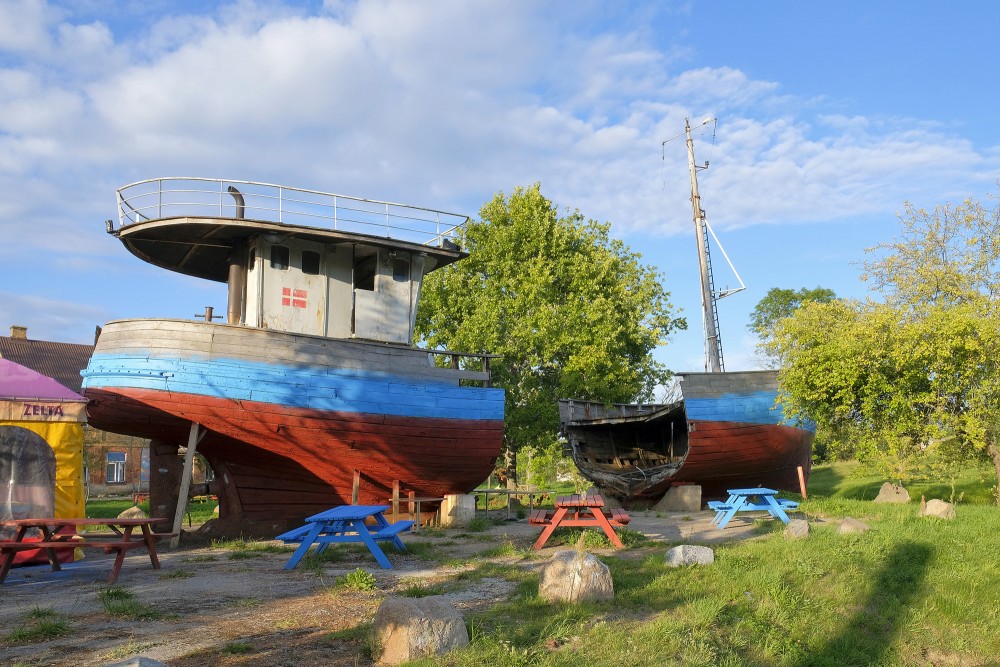
The “Dole” Fishing Vessel
The historic fishing vessel “Dole”, displayed in Pāvilosta, commemorates the importance of fishing to the town’s development. It is part of the local maritime heritage and offers insight into the working lives of fishermen and the history of the coastal economy.
Pāvilosta is also home to PAiR, an artists’ residency associated with contemporary art and creative projects. Its exhibitions and events vary, so visitors are advised to check the current programme before arriving.
Parks, squares and public spaces
Pāvilosta has small parks and landscaped public spaces for relaxation. Nearby Upesmuiža Park is known for its scenic setting by the Saka River and opportunities for walks. Squares, public recreational areas and the harbour promenade also contribute to the town’s relaxed atmosphere.
Monuments, sculptures and viewpoints
Pāvilosta Great Stone (Jūrakmens)
Jūrakmens is a coastal natural feature associated with Pāvilosta’s seaside landscape and included among the area’s local attractions. It is of interest to visitors who enjoy nature and coastal photography.
Restored Military Tower
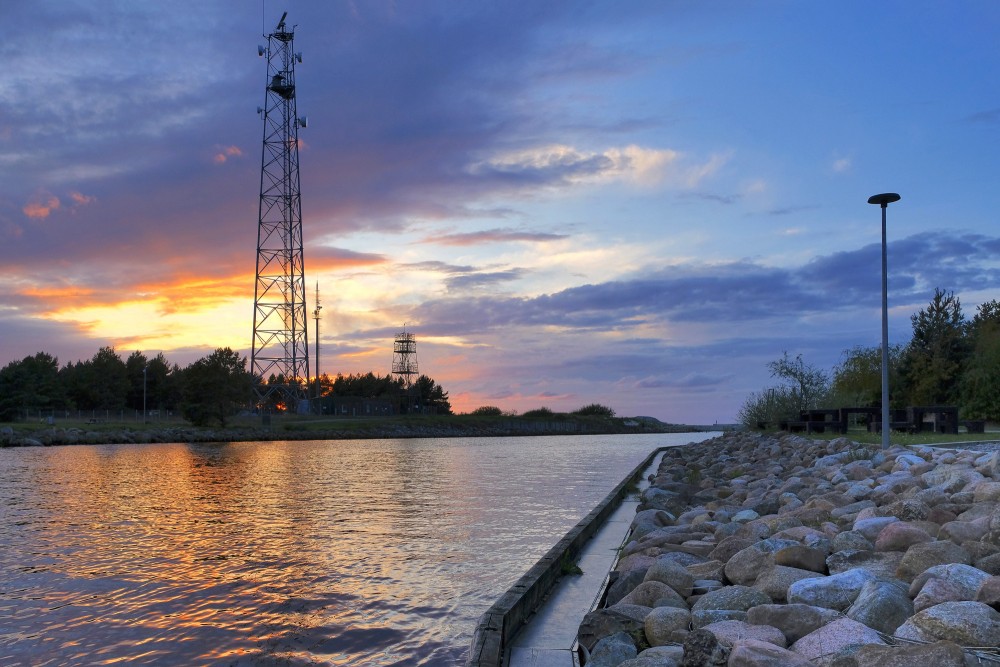
A restored former military tower near the South Pier offers an elevated view of the town and its surroundings. It makes an interesting stop during a walk around the harbour, although access may depend on availability.
The town’s public spaces also feature art and environmental objects, while the historic harbour structures reflect Pāvilosta’s long-standing connection with the sea.
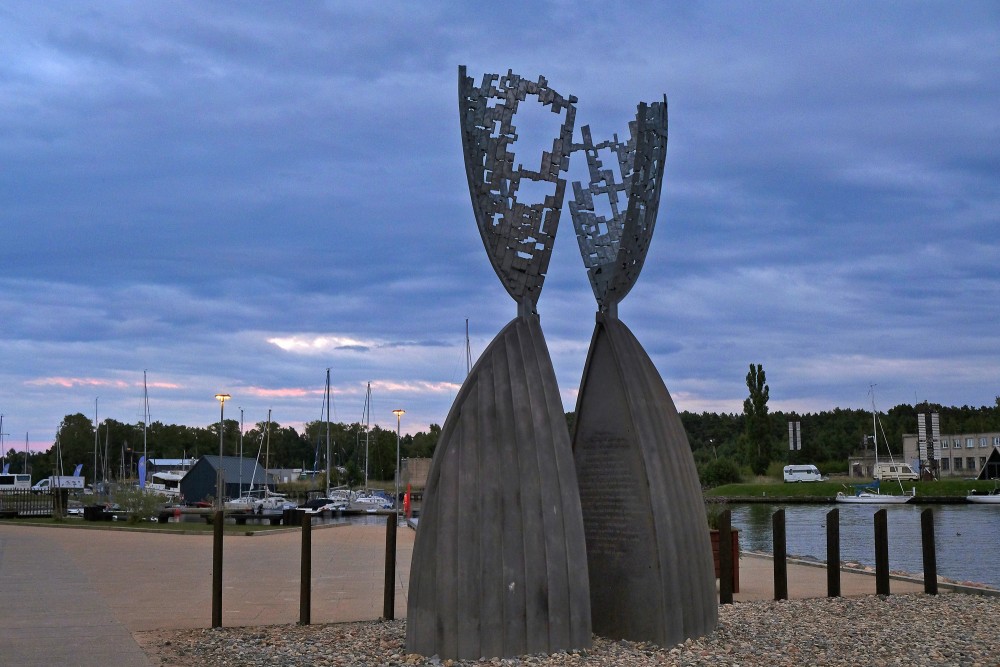
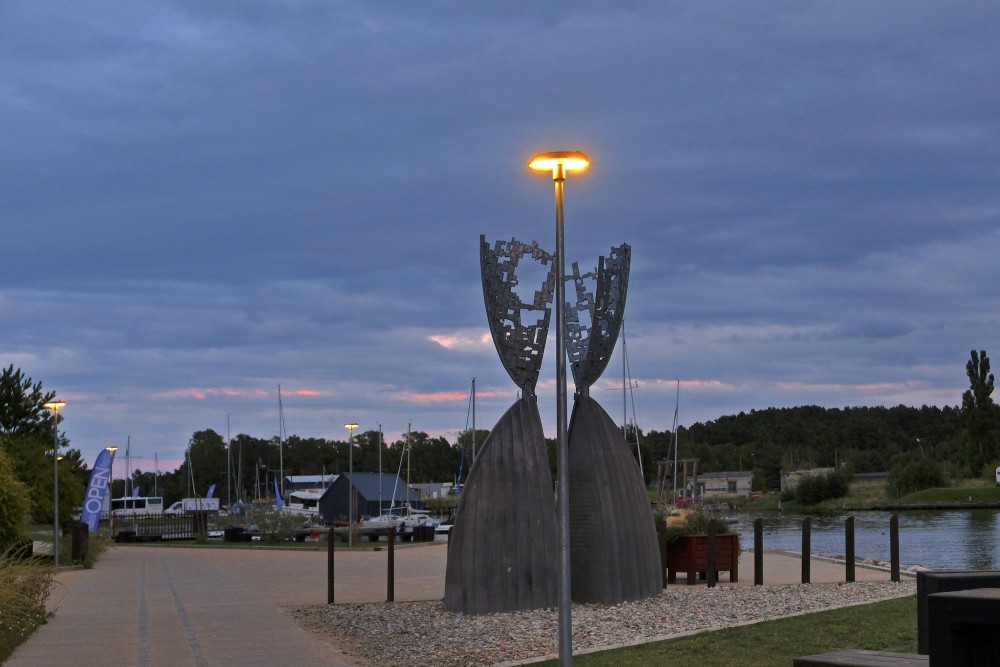
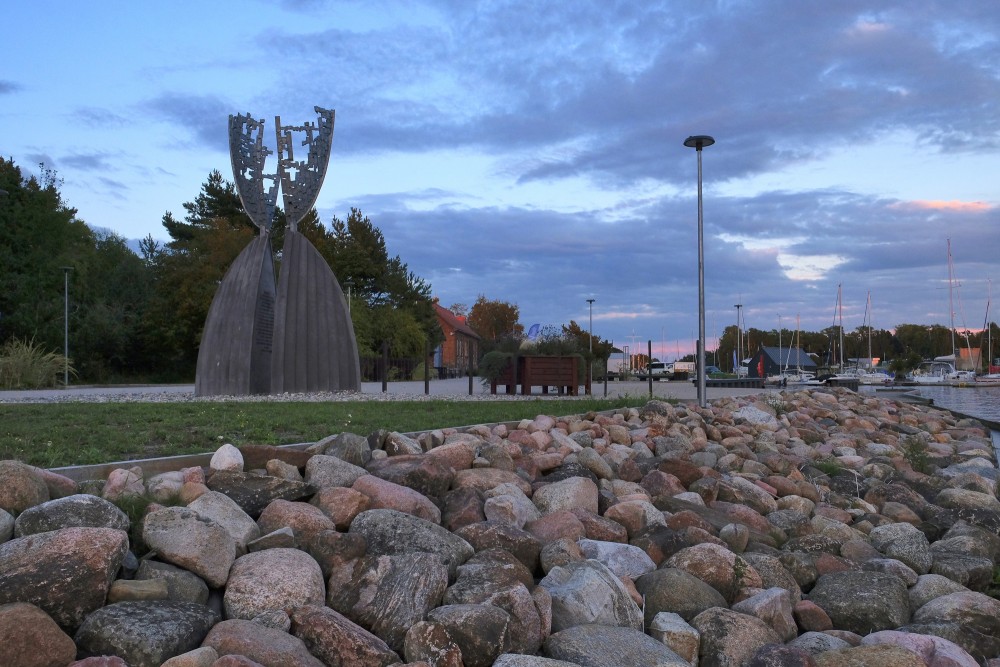
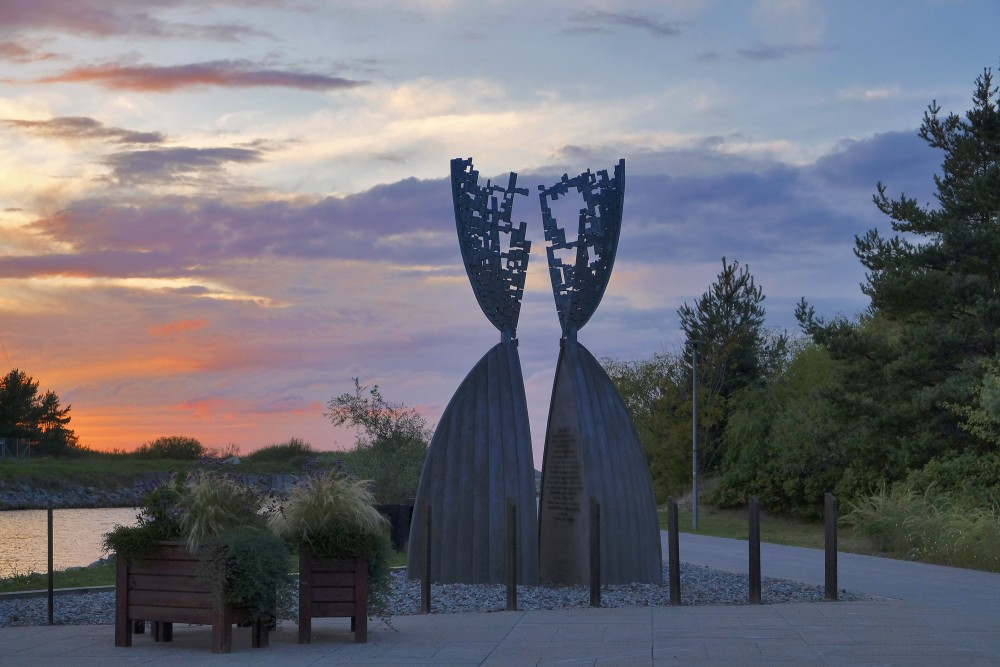
Mārtiņš Līnis Sculpture on the Pāvilosta Promenade
The sculpture functions as the primary artistic focus and tourist landmark of the Pāvilosta harbor promenade. Located in a landscaped public zone adjacent to the local marina and the Pāvilosta Local History Museum, it serves as a prominent photo spot and a gathering point for visitors taking leisure walks to view the docked boats and the river estuary.
Family activities
Pāvilosta is suitable for families who want to spend time by the sea, walk along the harbour and explore the coastal landscape. The beach, promenade and viewpoints offer opportunities for relaxed outings and family walks. The boardwalk through the Grey Dune is another option for discovering the local natural environment.
Visitors should check the availability of specific playgrounds and other children’s facilities before their trip. Care is particularly important near the piers and water, especially during strong winds and rough seas.
Interesting facts
- Pāvilosta was founded in 1879. Its origins are closely connected with the development of a harbour at the mouth of the Saka River.
- The town’s original name was Paulshafen, chosen in honour of Paul von Lilienfeld.
- Pāvilosta developed as a fishing and boatbuilding town. Several shipyards operated here before the First World War.
- During the Soviet period, Pāvilosta was part of a restricted border zone, which limited access to the sea.
- The Pāvilosta Grey Dune is an important protected natural area, valued for the conservation of rare coastal habitats.